Motor Brief Test No. 9/71 — Lotus Elan Sprint
Motor, week ending March 6, 1971
Sports car par excellence
Big valve engine improves already outstanding performance; more thirsty; revised driveshaft doughnuts eliminates surge; quieter exhaust; exhilarating on country roads
Price: Soft top £1686 in component form; Coupé £1663 in component form
In a group test last summer some of our testers decided that Colin Chapman’s brainchild of the early Sixties was beginning to show its age, particularly when compared with sports cars of more modern concept, such as the Elan’s stablemate, the mid-engined Europa.
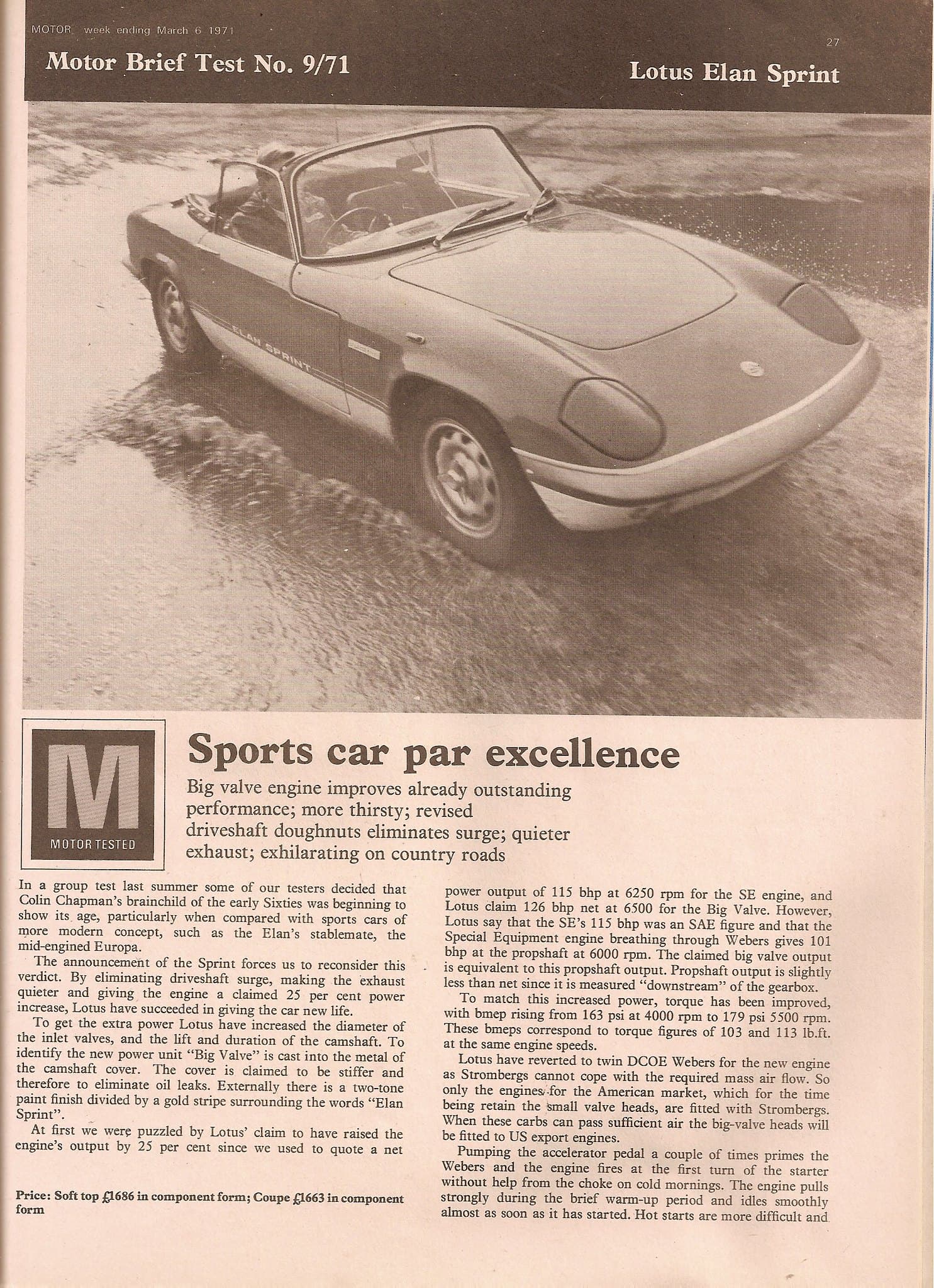
The announcement of the Sprint forces us to reconsider this verdict. By eliminating driveshaft surge, making the exhaust quieter and giving the engine a claimed 25 per cent power increase, Lotus have succeeded in giving the car new life.
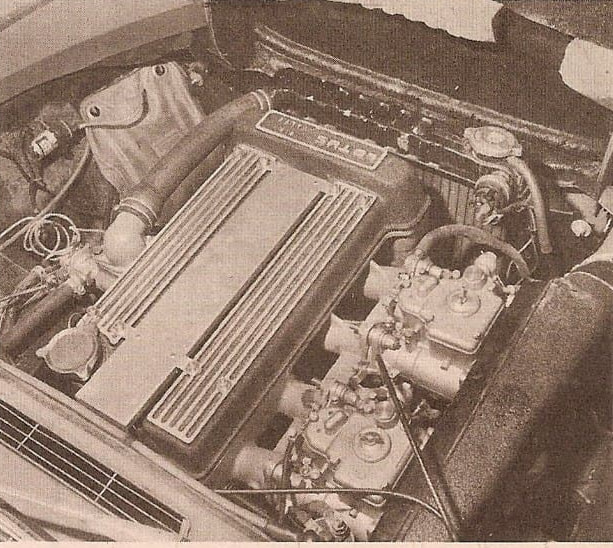
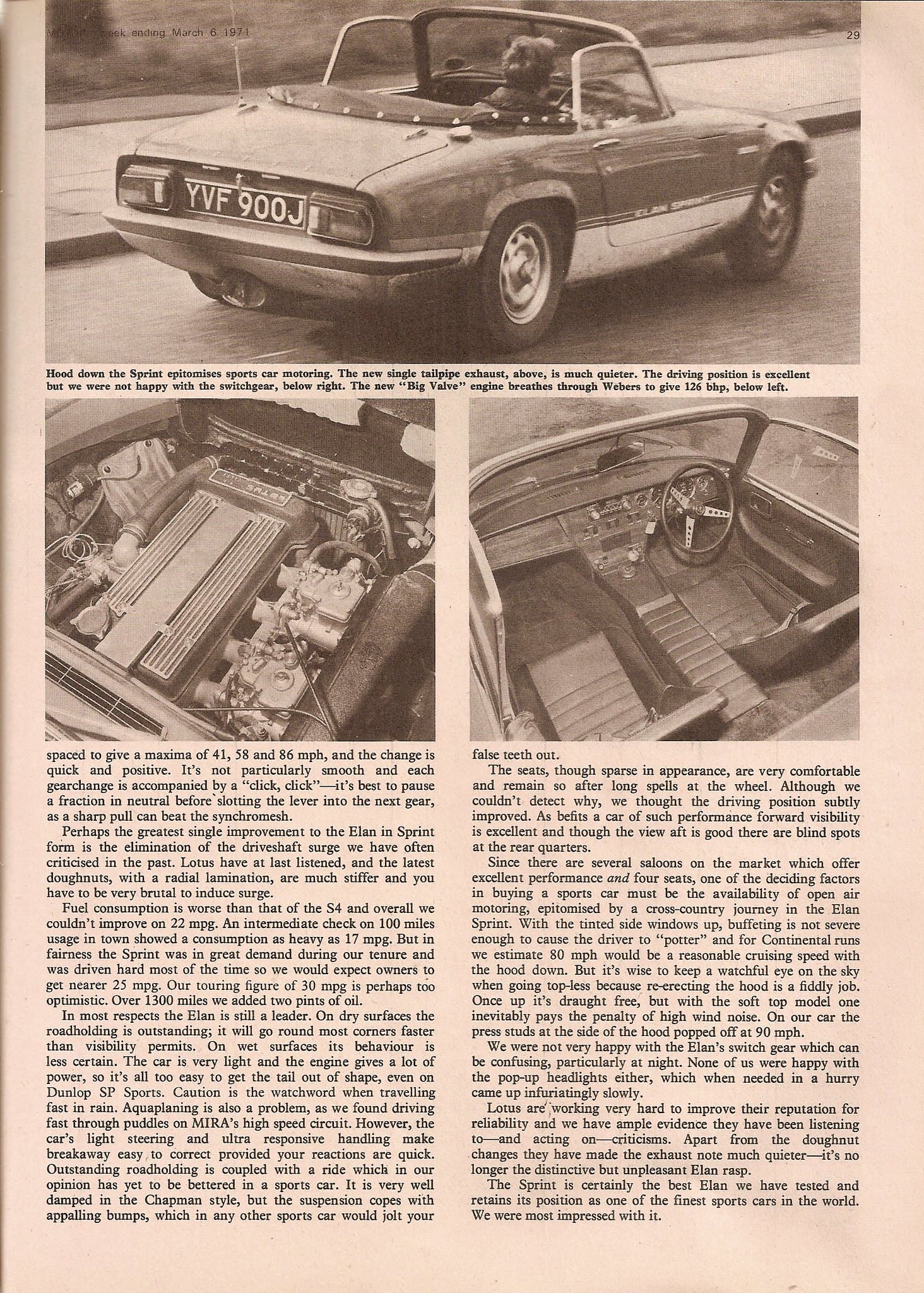
To get the extra power Lotus have increased the diameter of the inlet valves, and the lift and duration of the camshaft. To identify the new power unit “Big Valve” is cast into the metal of the camshaft cover. The cover is claimed to be stiffer and therefore to eliminate oil leaks. Externally there is a two-tone paint finish divided by a gold stripe surrounding the words “Elan Sprint”.
At first we were puzzled by Lotus’ claim to have raised the engine’s output by 25 per cent since we used to quote a net power output of 115 bhp at 6250 rpm for the SE engine, and Lotus claim 126 bhp net at 6500 for the Big Valve. However, Lotus say that the SE’s 115 bhp was an SAE figure and that the Special Equipment engine breathing through Webers gives 101 bhp at the propshaft at 6000 rpm. The claimed big valve output is equivalent to this propshaft output. Propshaft output is slightly less than net since it is measured “downstream” of the gearbox.
To match this increased power, torque has been improved, with bmep rising from 163 psi at 4000 rpm to 179 psi 5500 rpm. These bmeps correspond to torque figures of 103 and 113 lb.ft. at the same engine speeds.
Lotus have reverted to twin DCOE Webers for the new engine as Strombergs cannot cope with the required mass air flow. So only the engines for the American market, which for the time being retain the small valve heads, are fitted with Strombergs. When these carbs can pass sufficient air the big-valve heads will be fitted to US export engines.
Pumping the accelerator pedal a couple of times primes the Webers and the engine fires at the first turn of the starter without help from the choke on cold mornings. The engine pulls strongly during the brief warm-up period and idles smoothly almost as soon as it has started. Hot starts are more difficult and we found it best fully to depress the accelerator before engaging the starter. Apart from a slight hesitancy just above idling speed the new engine is as smooth and fuss-free as ever up to ignition cut out speed, just over 7000 rpm on our car.
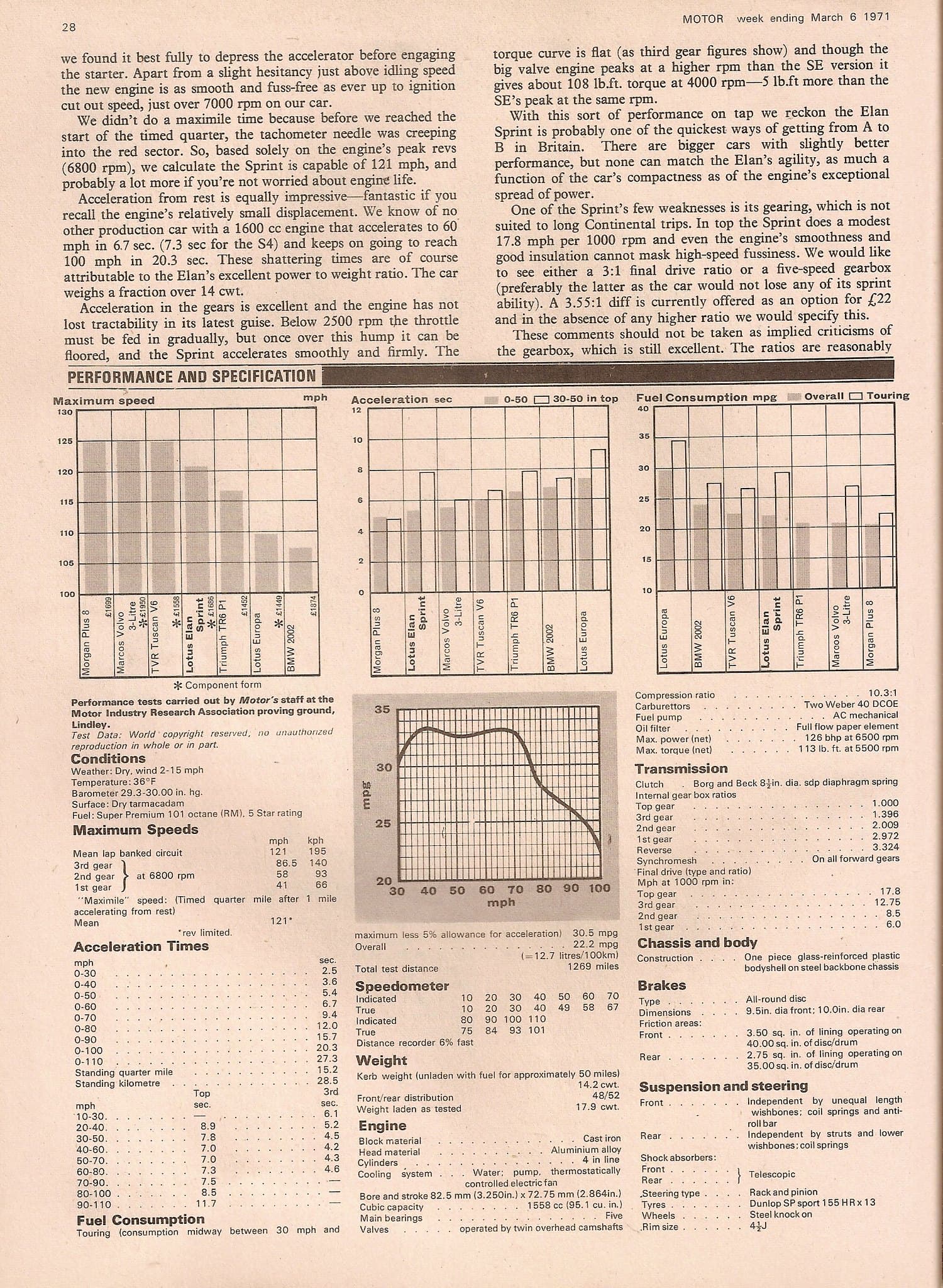
We didn’t do a maximile time because before we reached the start of the timed quarter, the tachometer needle was creeping into the red sector. So, based solely on the engine’s peak revs (6800 rpm), we calculate the Sprint is capable of 121 mph, and probably a lot more if you’re not worried about engine life.
Acceleration from rest is equally impressive—fantastic if you recall the engine’s relatively small displacement. We know of no other production car with a 1600 cc engine that accelerates to 60 mph in 6.7 sec. (7.3 sec for the S4) and keeps on going to reach 100 mph in 20.3 sec. These shattering times are of course attributable to the Elan’s excellent power to weight ratio. The car weighs a fraction over 14 cwt.
Acceleration in the gears is excellent and the engine has not lost tractability in its latest guise. Below 2500 rpm the throttle must be fed in gradually, but once over this hump it can be floored, and the Sprint accelerates smoothly and firmly. The torque curve is flat (as third gear figures show) and though the big valve engine peaks at a higher rpm than the SE version it gives about 108 lb.ft. torque at 4000 rpm—5 lb.ft more than the SE’s peak at the same rpm.
With this sort of performance on tap we reckon the Elan Sprint is probably one of the quickest ways of getting from A to B in Britain. There are bigger cars with slightly better performance, but none can match the Elan’s agility, as much a function of the car’s compactness as of the engine’s exceptional spread of power.
One of the Sprint’s few weaknesses is its gearing, which is not suited to long Continental trips. In top the Sprint does a modest 17.8 mph per 1000 rpm and even the engine’s smoothness and good insulation cannot mask high-speed fussiness. We would like to see either a 3:1 final drive ratio or a five-speed gearbox (preferably the latter as the car would not lose any of its sprint ability). A 3.55:1 diff is currently offered as an option for £22 and in the absence of any higher ratio we would specify this.
These comments should not be taken as implied criticisms of the gearbox, which is still excellent. The ratios are reasonably spaced to give a maxima of 41, 58 and 86 mph, and the change is quick and positive. It’s not particularly smooth and each gearchange is accompanied by a “click, click”—it’s best to pause a fraction in neutral before slotting the lever into the next gear, as a sharp pull can beat the synchromesh.
Perhaps the greatest single improvement to the Elan in Sprint form is the elimination of the driveshaft surge we have often criticised in the past. Lotus have at last listened, and the latest doughnuts, with a radial lamination, are much stiffer and you have to be very brutal to induce surge.
Fuel consumption is worse than that of the S4 and overall we couldn’t improve on 22 mpg. An intermediate check on 100 miles usage in town showed a consumption as heavy as 17 mpg. But in fairness the Sprint was in great demand during our tenure and was driven hard most of the time so we would expect owners to get nearer 25 mpg. Our touring figure of 30 mpg is perhaps too optimistic. Over 1300 miles we added two pints of oil.
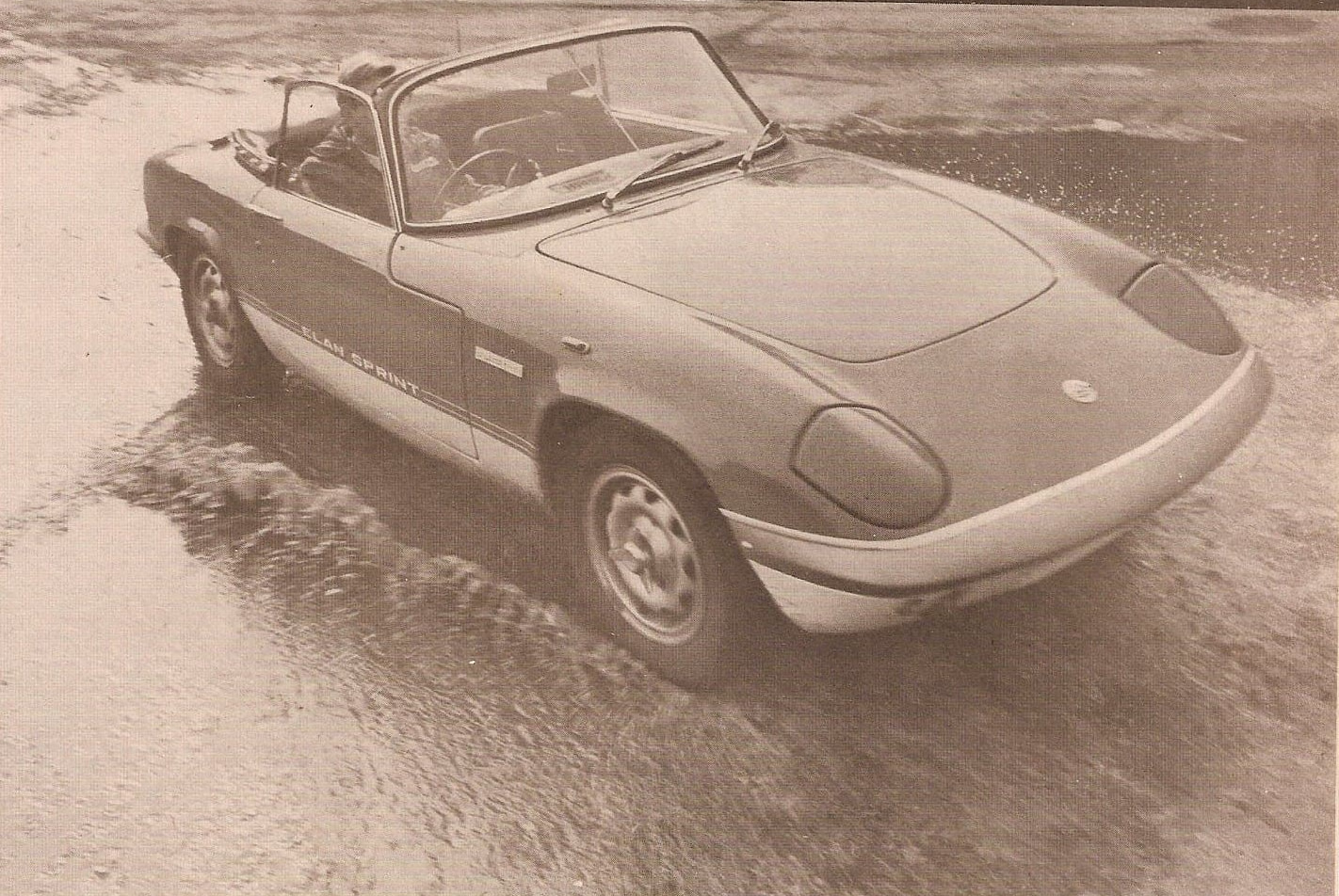
In most respects the Elan is still a leader. On dry surfaces the roadholding is outstanding; it will go round most corners faster than visibility permits. On wet surfaces its behaviour is less certain. The car is very light and the engine gives a lot of power, so it’s all too easy to get the tail out of shape, even on Dunlop SP Sports. Caution is the watchword when travelling fast in rain. Aquaplaning is also a problem, as we found driving fast through puddles on MIRA’s high speed circuit. However, the car’s light steering and ultra responsive handling make breakaway easy to correct provided your reactions are quick. Outstanding roadholding is coupled with a ride which in our opinion has yet to be bettered in a sports car. It is very well damped in the Chapman style, but the suspension copes with appalling bumps, which in any other sports car would jolt your false teeth out.
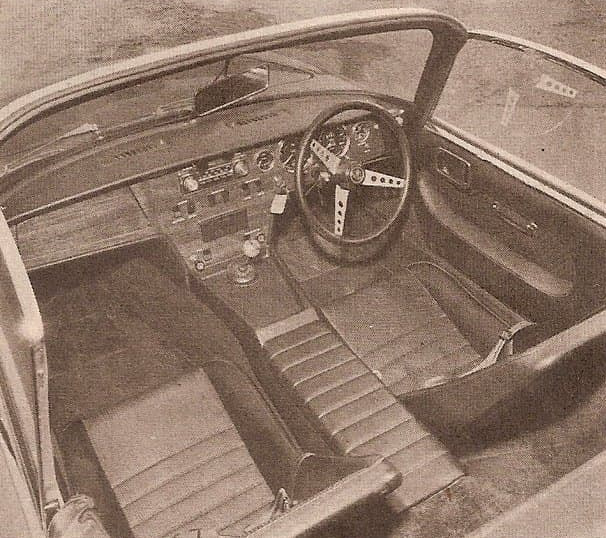
The seats, though sparse in appearance, are very comfortable and remain so after long spells at the wheel. Although we couldn’t detect why, we thought the driving position subtly improved. As befits a car of such performance forward visibility is excellent and though the view aft is good there are blind spots at the rear quarters.
Since there are several saloons on the market which offer excellent performance and four seats, one of the deciding factors in buying a sports car must be the availability of open air motoring, epitomised by a cross-country journey in the Elan Sprint. With the tinted side windows up, buffeting is not severe enough to cause the driver to “potter” and for Continental runs we estimate 80 mph would be a reasonable cruising speed with the hood down. But it’s wise to keep a watchful eye on the sky when going top-less because re-erecting the hood is a fiddly job. Once up it’s draught free, but with the soft top model one inevitably pays the penalty of high wind noise. On our car the press studs at the side of the hood popped off at 90 mph.
We were not very happy with the Elan’s switch gear which can be confusing, particularly at night. None of us were happy with the pop-up headlights either, which when needed in a hurry came up infuriatingly slowly.
Lotus are working very hard to improve their reputation for reliability and we have ample evidence they have been listening to—and acting on—criticisms. Apart from the doughnut changes they have made the exhaust note much quieter—it’s no longer the distinctive but unpleasant Elan rasp.
The Sprint is certainly the best Elan we have tested and retains its position as one of the finest sports cars in the world. We were most impressed with it.
Performance and Specification
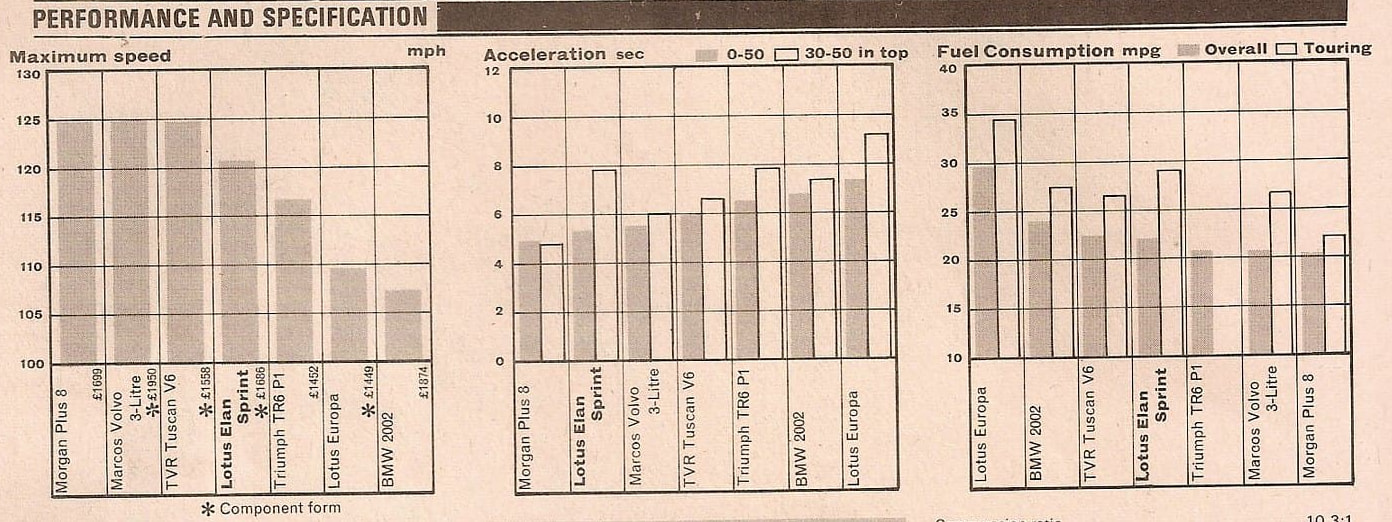
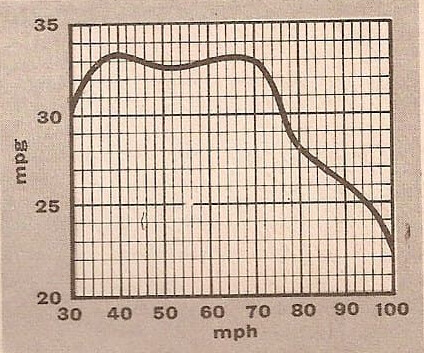
Performance tests carried out by Motor’s staff at the Motor Industry Research Association proving ground, Lindley.
Test Data: World copyright reserved, no unauthorised reproduction in whole or in part.
Conditions
| Parameter | Value |
|---|---|
| Weather | Dry, wind 2–15 mph |
| Temperature | 36°F |
| Barometer | 29.3–30.00 in. hg. |
| Surface | Dry tarmacadam |
| Fuel | Super Premium 101 octane (RM), 5 Star rating |
Maximum Speeds
| mph | kph | |
|---|---|---|
| Mean lap banked circuit | 121 | 195 |
| 3rd gear | 86.5 | 140 |
| 2nd gear } at 6800 rpm | 58 | 93 |
| 1st gear | 41 | 66 |
“Maximile” speed (timed quarter mile after 1 mile accelerating from rest), Mean: 121* mph
* rev limited
Acceleration Times
| Speed (mph) | Top (sec.) | 3rd (sec.) |
|---|---|---|
| 10–30 | — | 6.1 |
| 20–40 | 8.9 | 5.2 |
| 30–50 | 7.8 | 4.5 |
| 40–60 | 7.0 | 4.2 |
| 50–70 | 7.0 | 4.3 |
| 60–80 | 7.3 | 4.6 |
| 70–90 | 7.5 | — |
| 80–100 | 8.5 | — |
| 90–110 | 11.7 | — |
| From rest (mph) | sec. |
|---|---|
| 0–30 | 2.5 |
| 0–40 | 3.6 |
| 0–50 | 5.4 |
| 0–60 | 6.7 |
| 0–70 | 9.4 |
| 0–80 | 12.0 |
| 0–90 | 15.7 |
| 0–100 | 20.3 |
| 0–110 | 27.3 |
| Standing quarter mile | 15.2 |
| Standing kilometre | 28.5 |
Fuel Consumption
| Touring (consumption midway between 30 and maximum, less 5% allowance for acceleration) | 30.5 mpg |
| Overall | 22.2 mpg (= 12.7 litres/100km) |
| Total test distance | 1269 miles |
Speedometer
| Indicated | 10 | 20 | 30 | 40 | 50 | 60 | 70 |
|---|---|---|---|---|---|---|---|
| True | 10 | 20 | 30 | 40 | 49 | 58 | 67 |
| Indicated | 80 | 90 | 100 | 110 | |||
| True | 75 | 84 | 93 | 101 |
Distance recorder 6% fast
Weight
| Kerb weight (unladen with fuel for approximately 50 miles) | 14.2 cwt. |
| Front/rear distribution | 48/52 |
| Weight laden as tested | 17.9 cwt. |
Engine
| Block material | Cast iron |
| Head material | Aluminium alloy |
| Cylinders | 4 in line |
| Cooling system | Water; pump, thermostatically controlled electric fan |
| Bore and stroke | 82.5 mm (3.250 in.) × 72.75 mm (2.864 in.) |
| Cubic capacity | 1558 cc (95.1 cu. in.) |
| Main bearings | Five |
| Valves | Operated by twin overhead camshafts |
| Compression ratio | 10.3:1 |
| Carburettors | Two Weber 40 DCOE |
| Fuel pump | AC mechanical |
| Oil filter | Full flow paper element |
| Max. power (net) | 126 bhp at 6500 rpm |
| Max. torque (net) | 113 lb. ft. at 5500 rpm |
Transmission
| Clutch | Borg and Beck 8⅓ in. dia. sdp diaphragm spring |
| Internal gear box ratios | |
| Top gear | 1.000 |
| 3rd gear | 1.396 |
| 2nd gear | 2.009 |
| 1st gear | 2.972 |
| Reverse | 3.324 |
| Synchromesh | On all forward gears |
| Final drive (type and ratio) | |
| Mph at 1000 rpm in: | |
| Top gear | 17.8 |
| 3rd gear | 12.75 |
| 2nd gear | 8.5 |
| 1st gear | 6.0 |
Chassis and Body
| Construction | One piece glass-reinforced plastic bodyshell on steel backbone chassis |
Brakes
| Type | All-round disc |
| Dimensions | 9.5 in. dia front; 10.0 in. dia rear |
| Friction areas: | |
| Front | 3.50 sq. in. of lining operating on 40.00 sq. in. of disc/drum |
| Rear | 2.75 sq. in. of lining operating on 35.00 sq. in. of disc/drum |
Suspension and Steering
| Front | Independent by unequal length wishbones; coil springs and anti-roll bar |
| Rear | Independent by struts and lower wishbones; coil springs |
| Shock absorbers: Front / Rear | Telescopic |
| Steering type | Rack and pinion |
| Tyres | Dunlop SP sport 155 HR × 13 |
| Wheels | Steel knock on |
| Rim size | 4½J |
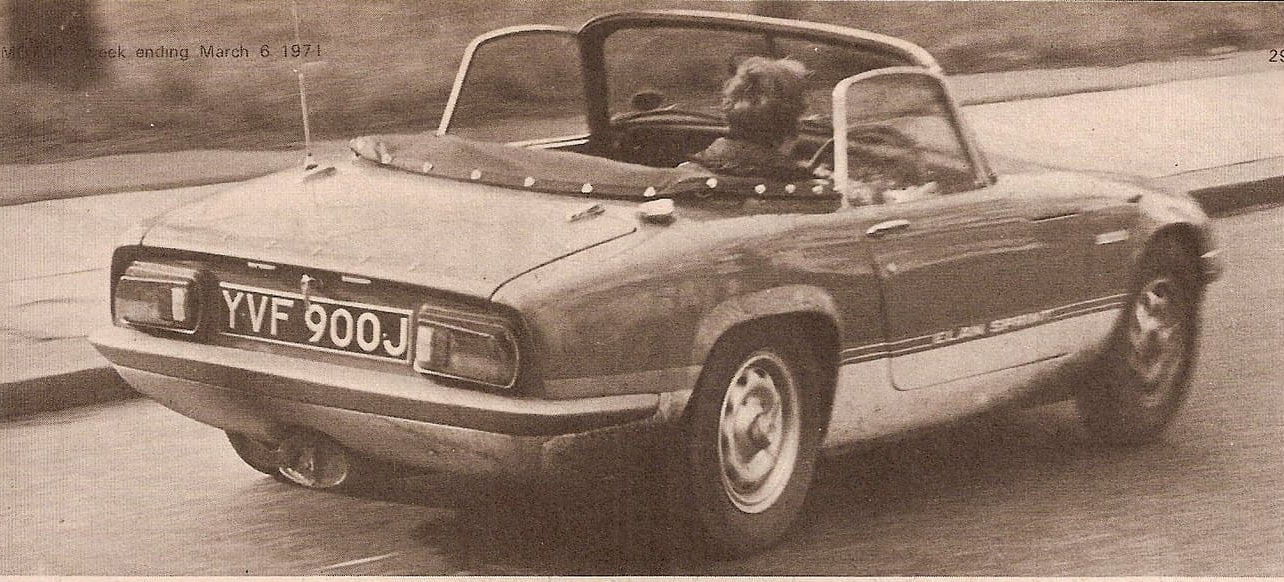
Hood down the Sprint epitomises sports car motoring. The new single tailpipe exhaust, above, is much quieter. The driving position is excellent but we were not happy with the switchgear, below right. The new “Big Valve” engine breathes through Webers to give 126 bhp, below left.