Modernizing the wiring loom and other adventures

Over the last few days, I’ve addressed most of the loose ends on the electrical side of this project. The cleaned and regreased wiper mechanism was reinstalled, and 95% of the split loom is in place. Unfortunately, I ran out of the smaller diameter covering today, but the extra should arrive Sunday.

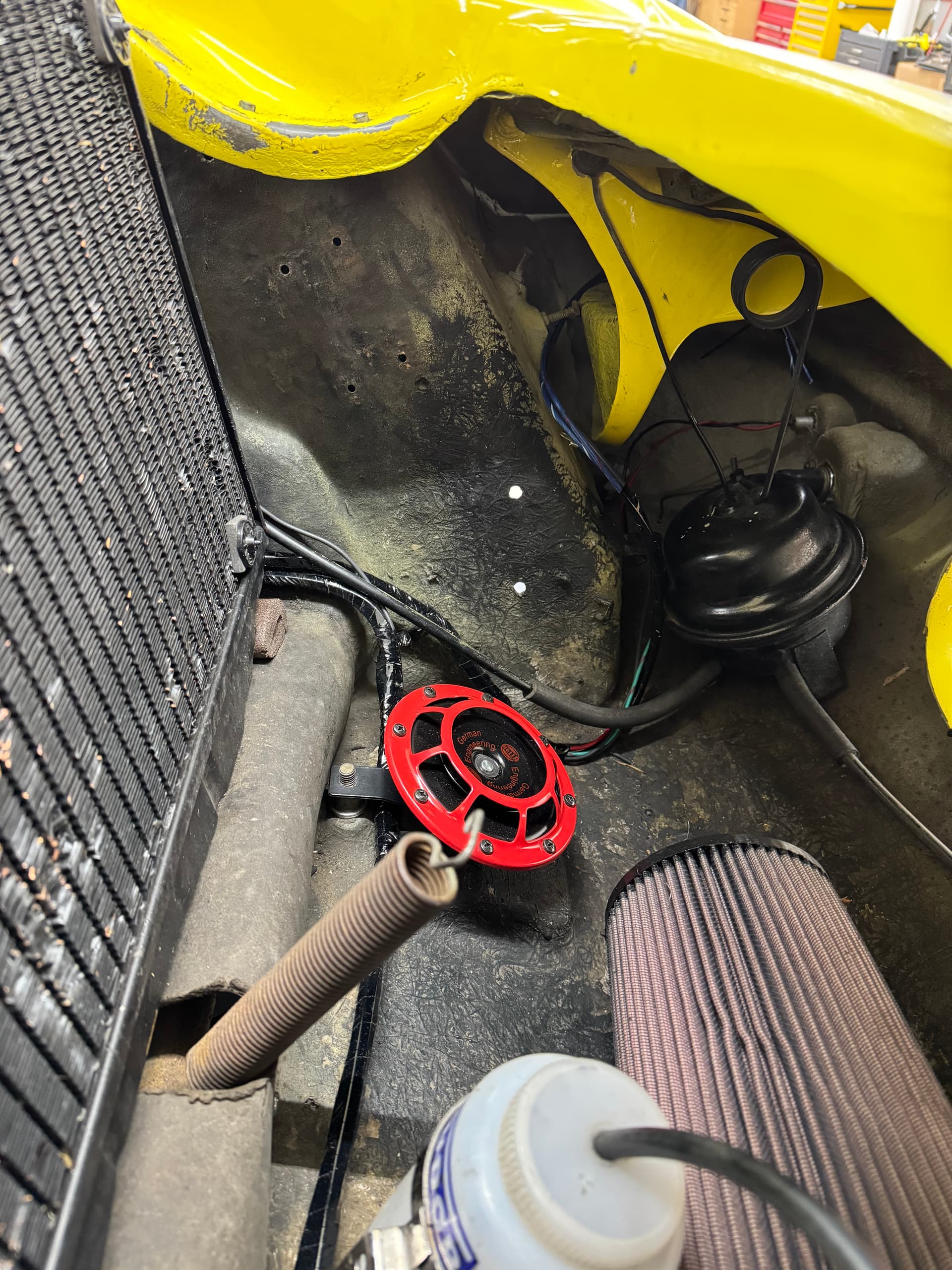
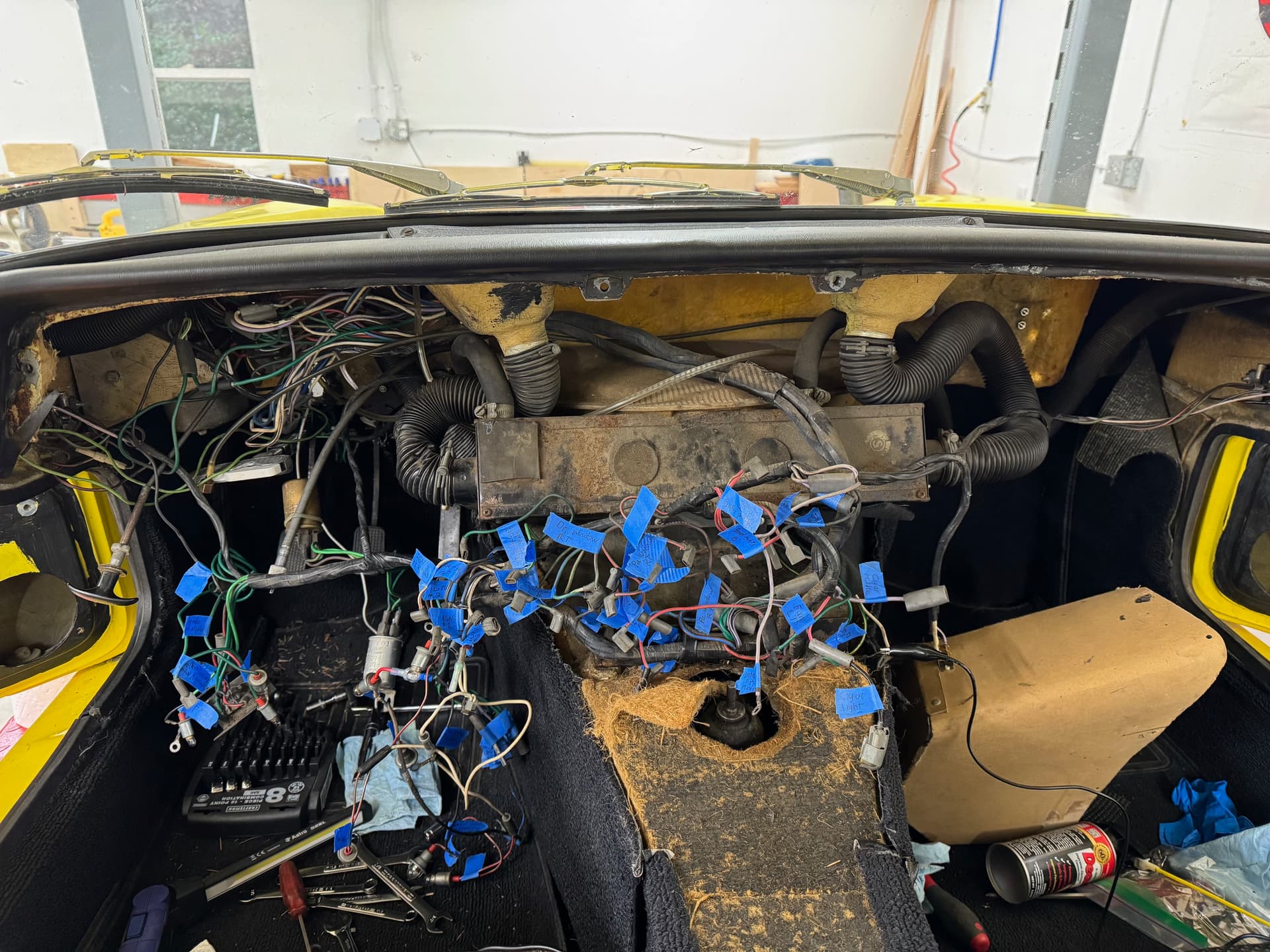
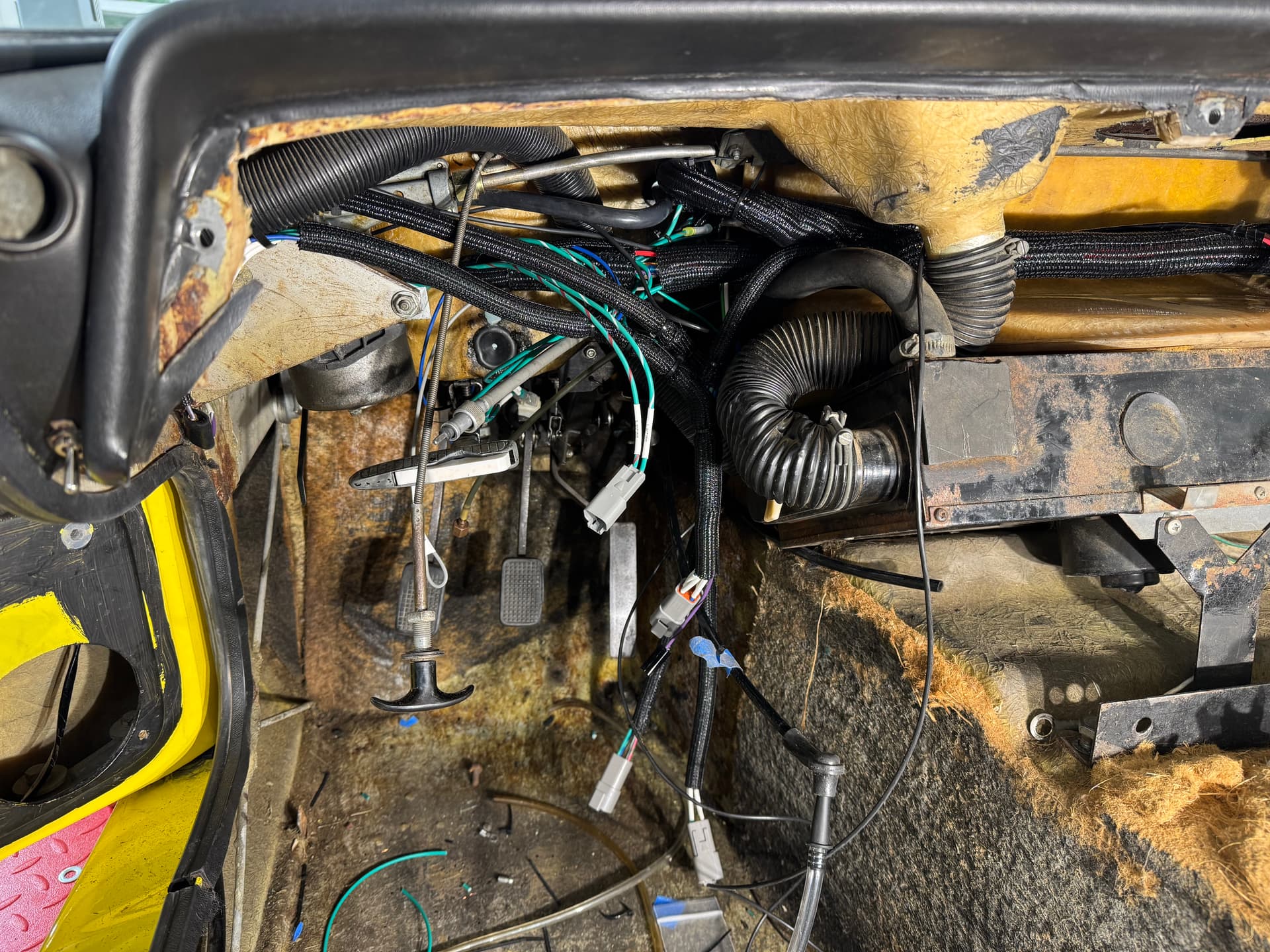
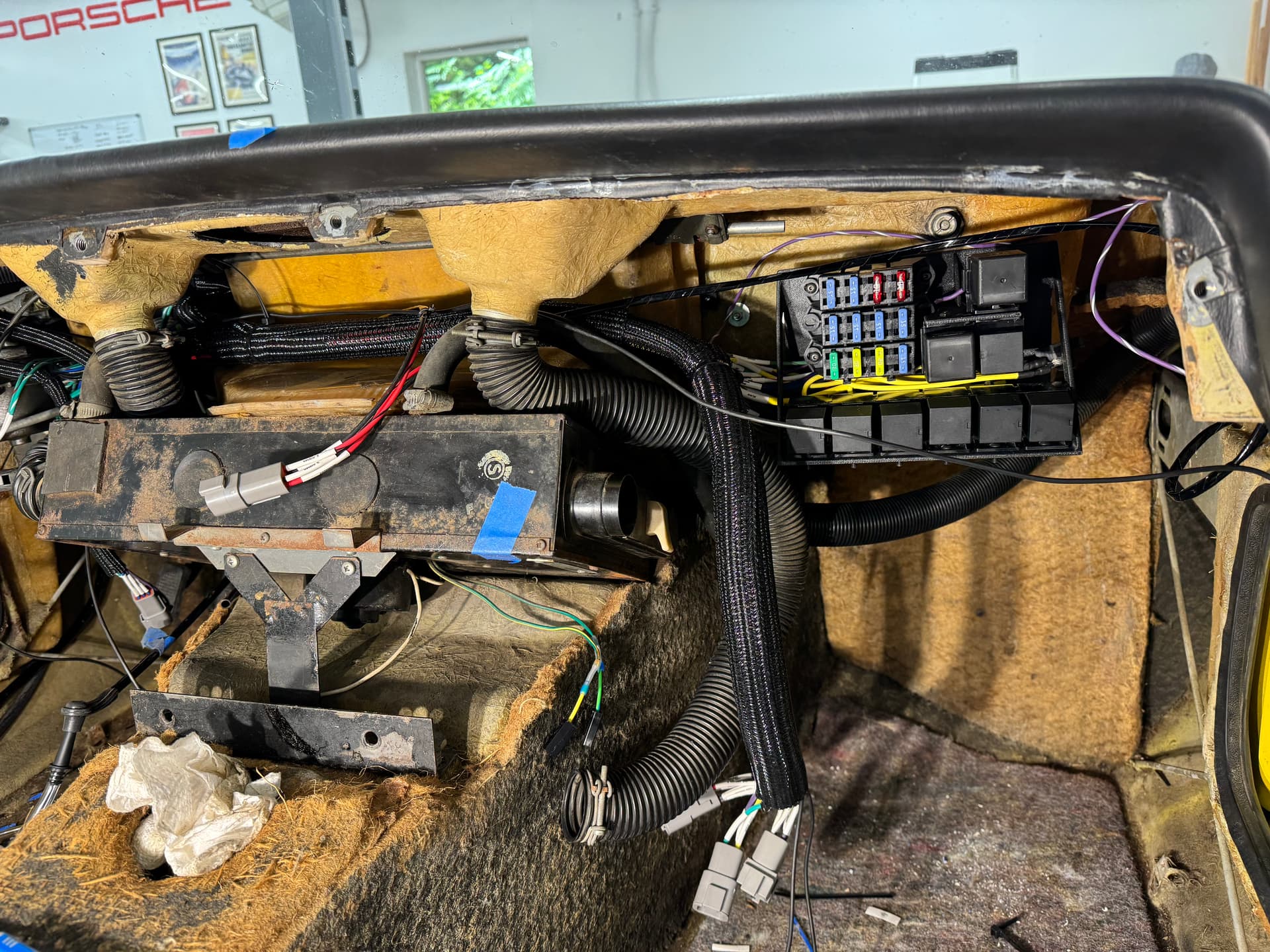
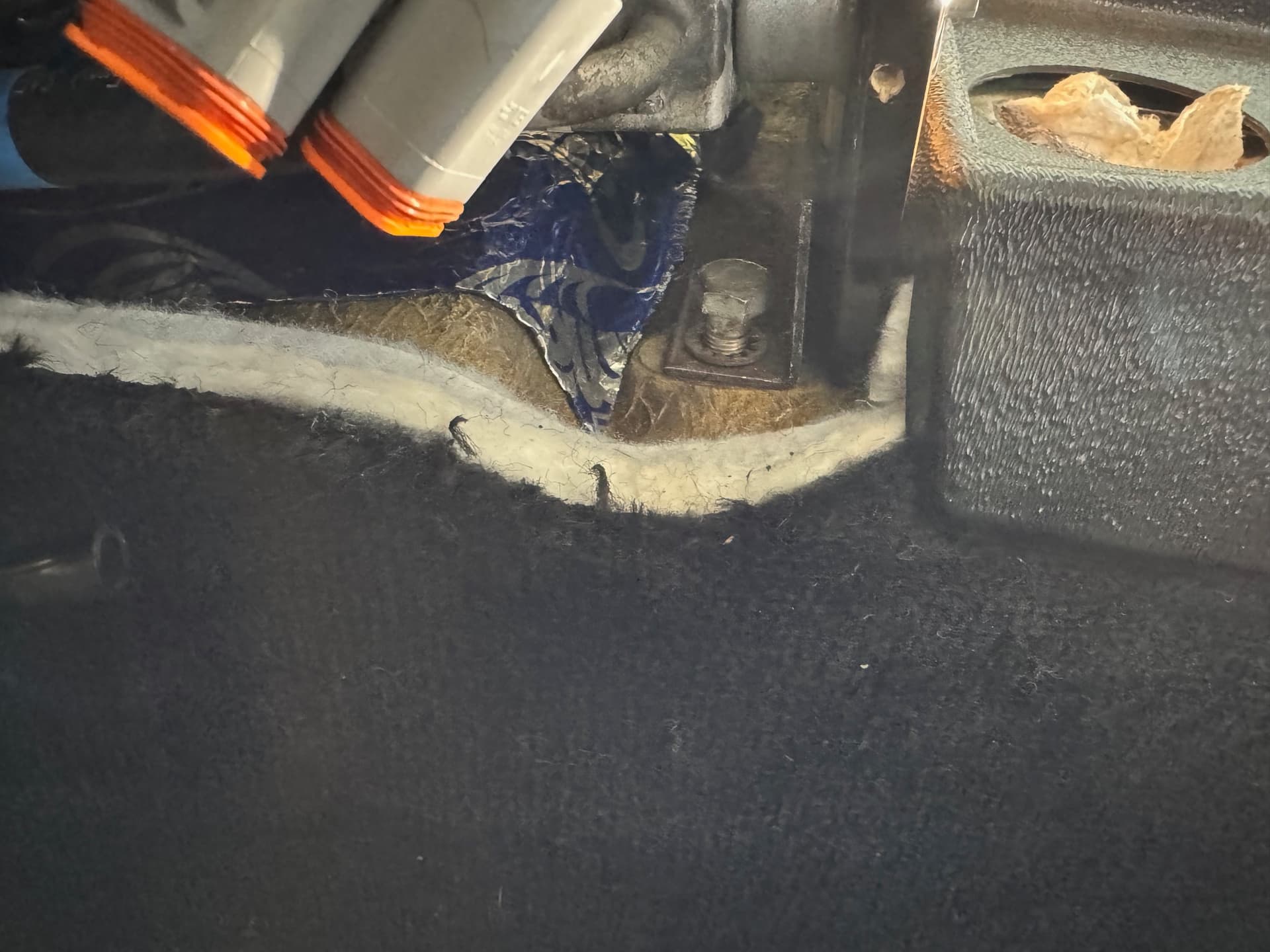
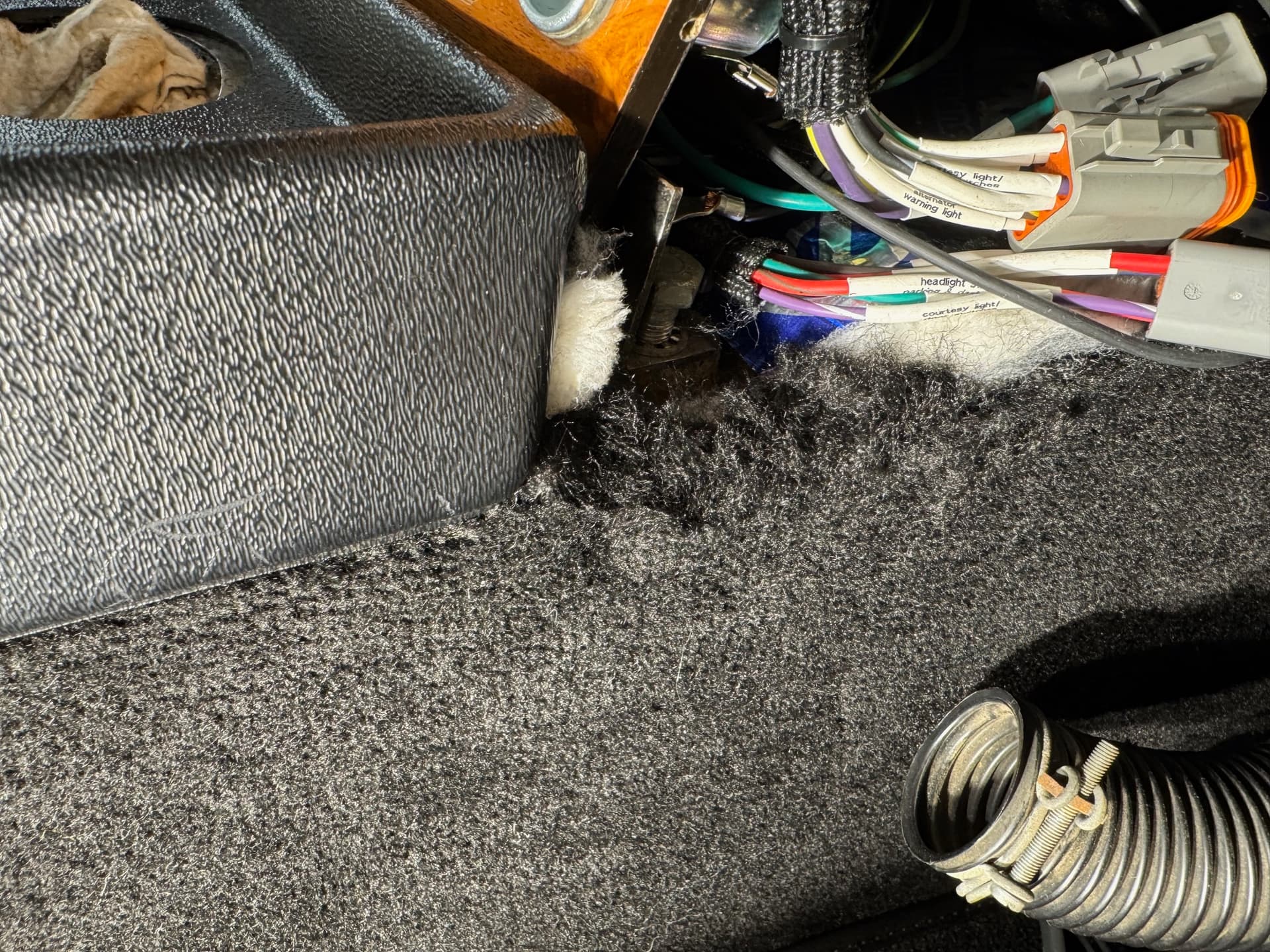
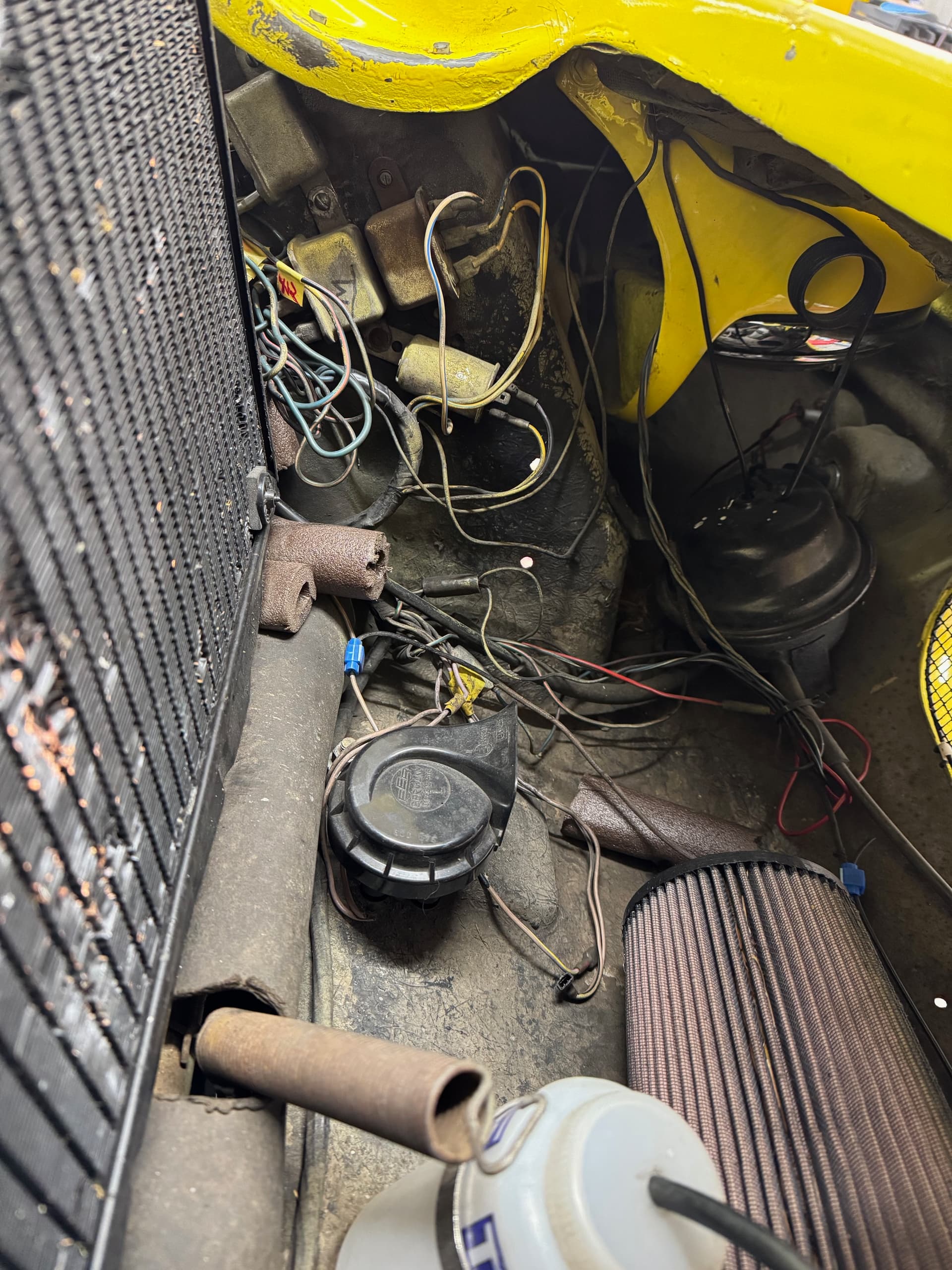
Below are a few before and (almost) after photos. The first two are the inner fender, in front of the radiator. The next two are behind the dash, with just a little work to go. Much, much cleaner

It’s also lighter. Comparing the weight of the removed original loom and relays to the AAW loom as installed (arrival weight minus left over wire) shows a savings of just a touch over 2 kg, or 4.4 lb in old money. Now I feel a little bit better about adding a few pounds with better sound insulation.

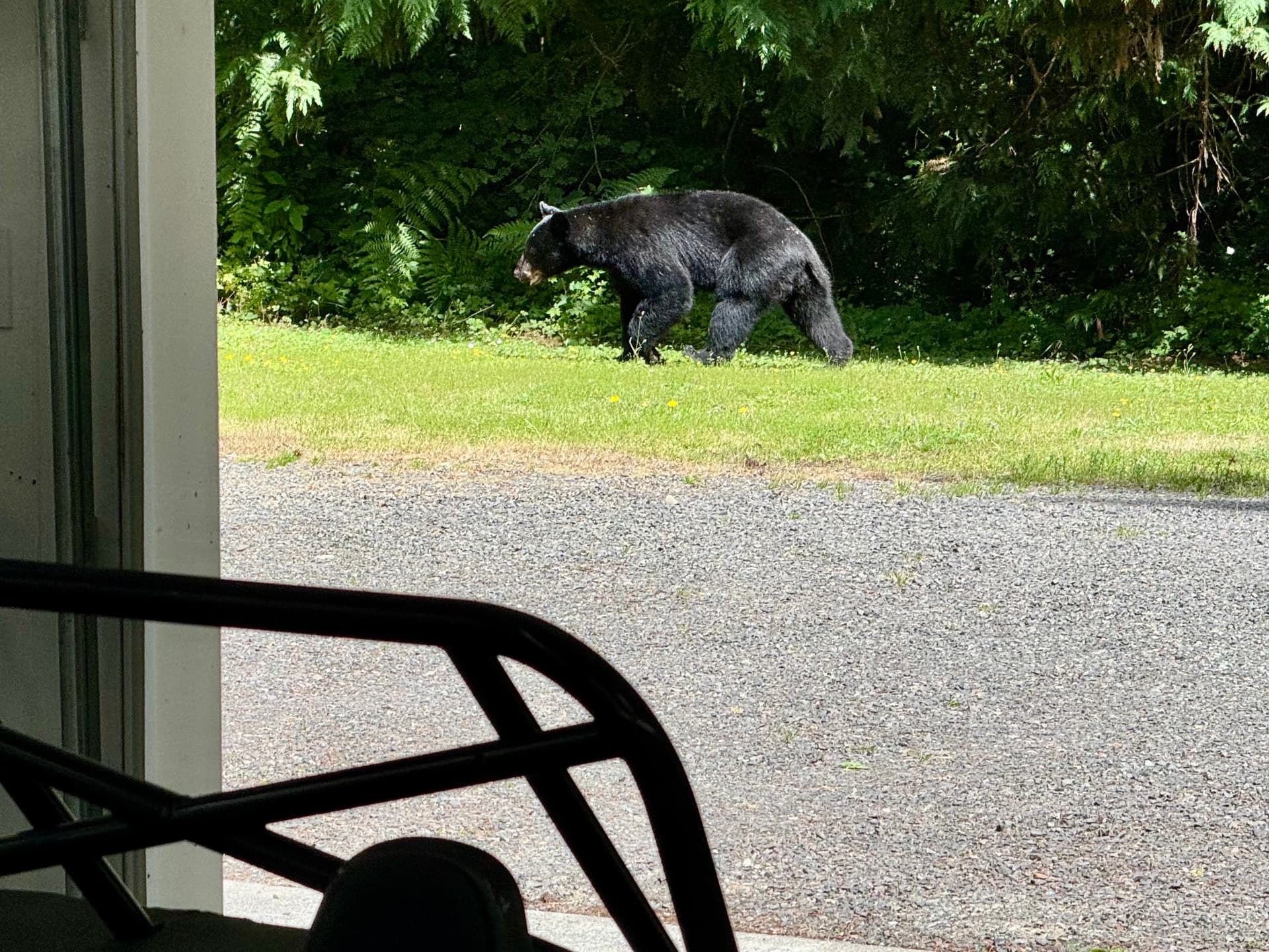
While working on the Elan yesterday with the garage doors open. I was a little surprised when this guy strolled by:

Next task is digging into the window. Hopefully it’s an easy fix and doesn’t start another round of waiting for parts.

-John

3 „Gefällt mir“

My goodness – your wiring effort has turned into a real bear of a job.

3 „Gefällt mir“

Some very good ideas there John. Perhaps if there a next time for me I might use some.
And I moan about the rabbits on my lawn.
Cheers
John.

Thanks John. We have lots of rabbits too. And squirrels, and deer, and coyotes, etc. The dog is constantly barking to protect us from all the potential mayhem (I’m reminded of the rabbit in Monty Python and the Holy Grail :slight_smile: ).

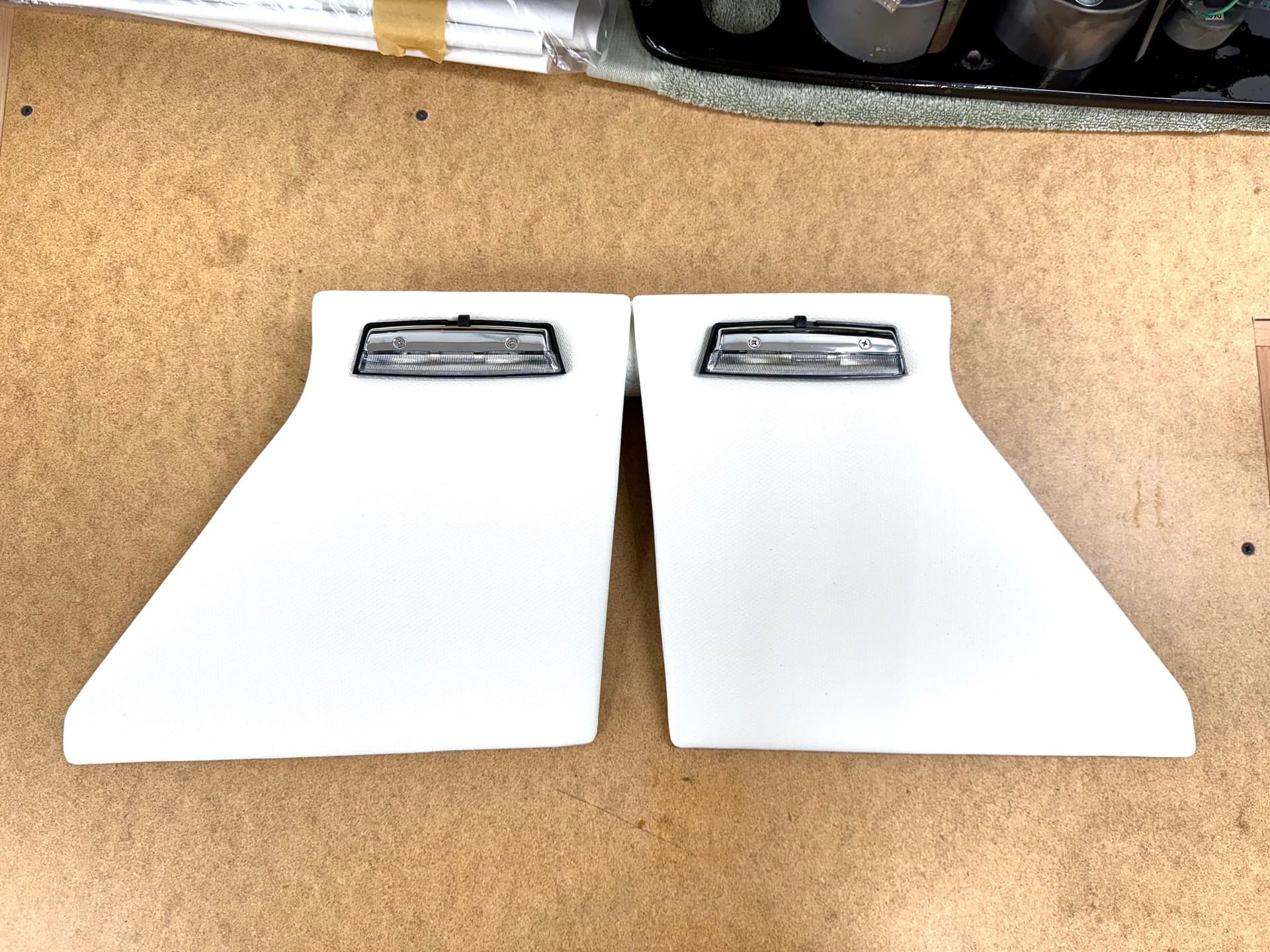
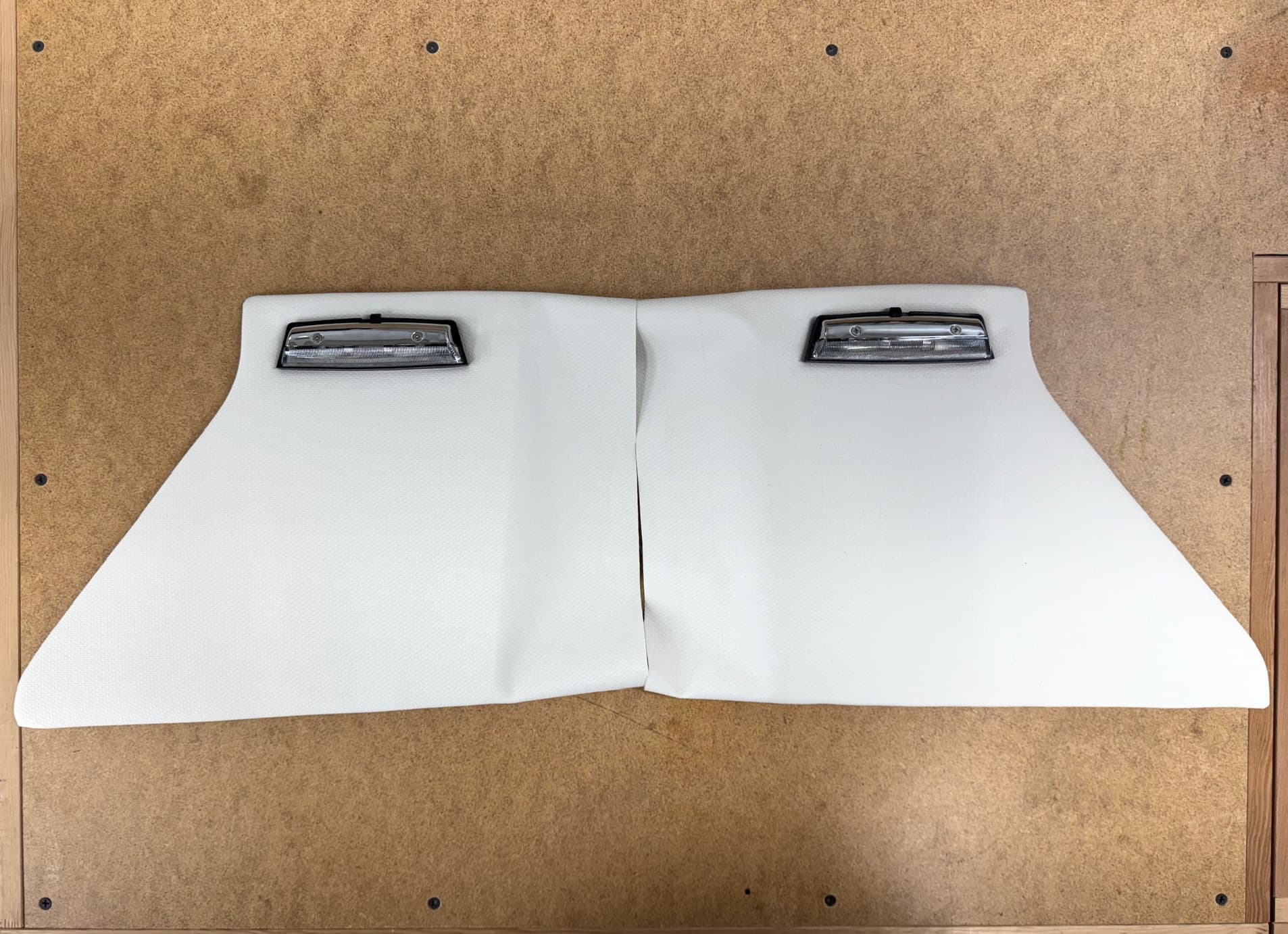
I’m making progress…and mistakes. The first box from Sue Miller arrived, which included the interior quarter panels for the FHC’s B-pillars, and confetti headliner. I first watched a number of upholstery videos and took an inordinate amount of time to ensure no corners were cut. They both came out perfectly. I was proud.

Until I walked towards the car to test fit one and instantly realized the long vertical edge isn’t supposed to wrap around the panel and instead is to be left long to slip under the door seals. Crap. No way to fix this.

After much creative swearing and taking the name of multiple deities in vain, the panels were ripped apart, and I started from scratch. The second attempt was still very good, but not quite to the same level as attempt number one.

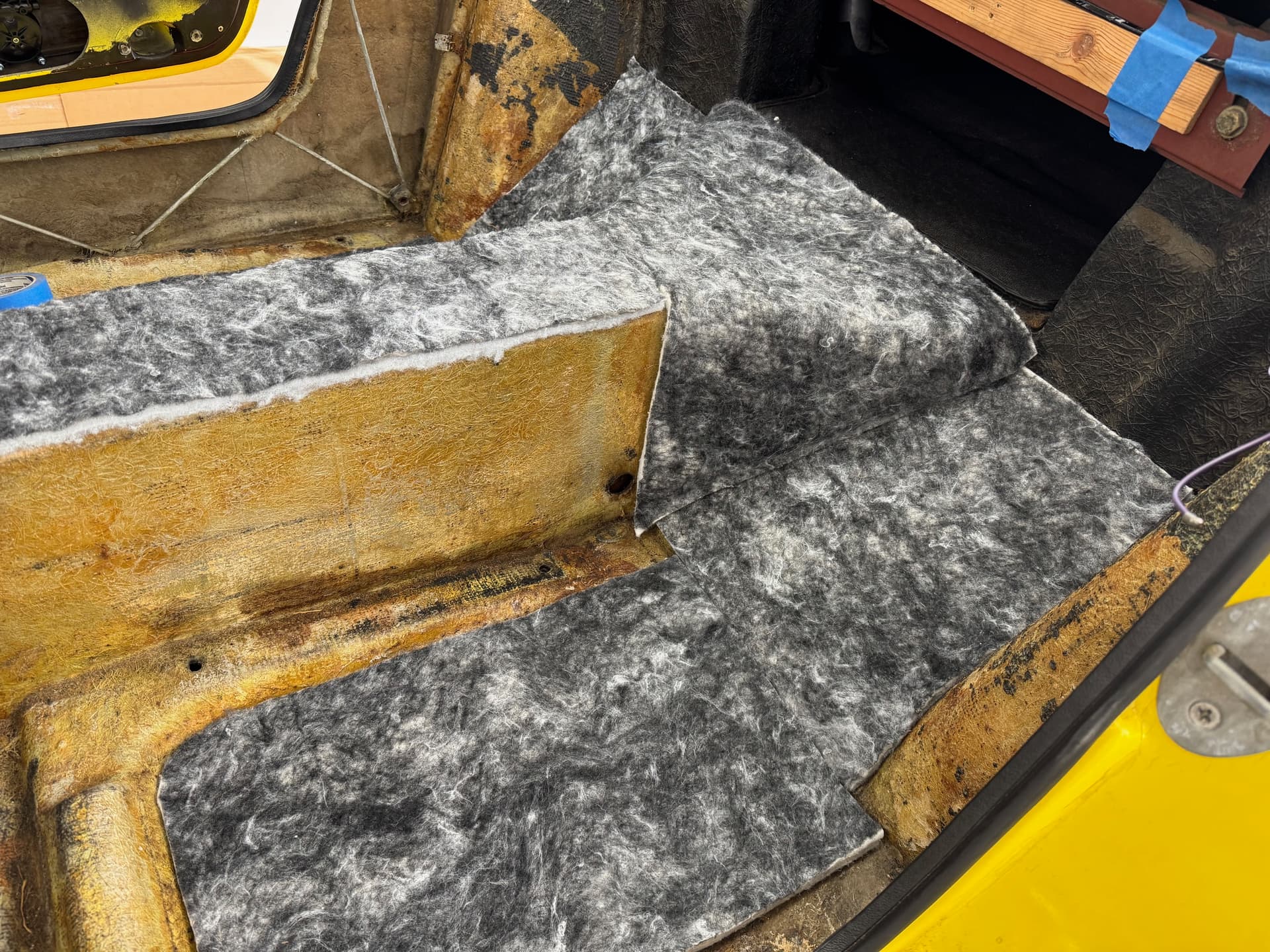
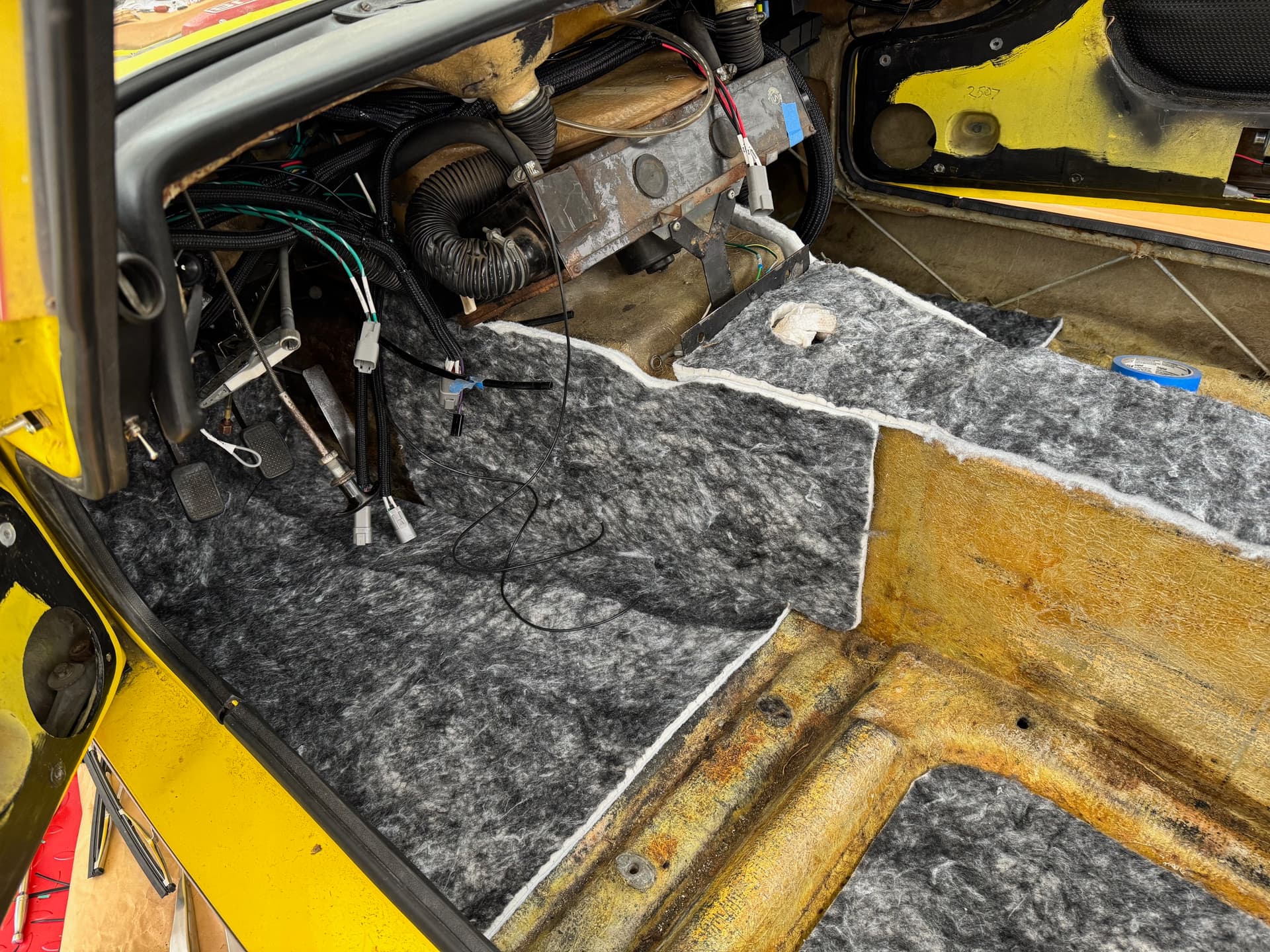
The sound deadening from DEI also arrived. Comparing weight to the removed felt, it was 40% lighter and saves close to 1.5 kg. Now I don’t feel as bad about the few pieces of Dynamat light I plan to add in a few strategic areas.


Given the carpet from Sue is scheduled to arrive tomorrow, I’m holding off securing the sound deadening until I test fit the carpet on top of it.

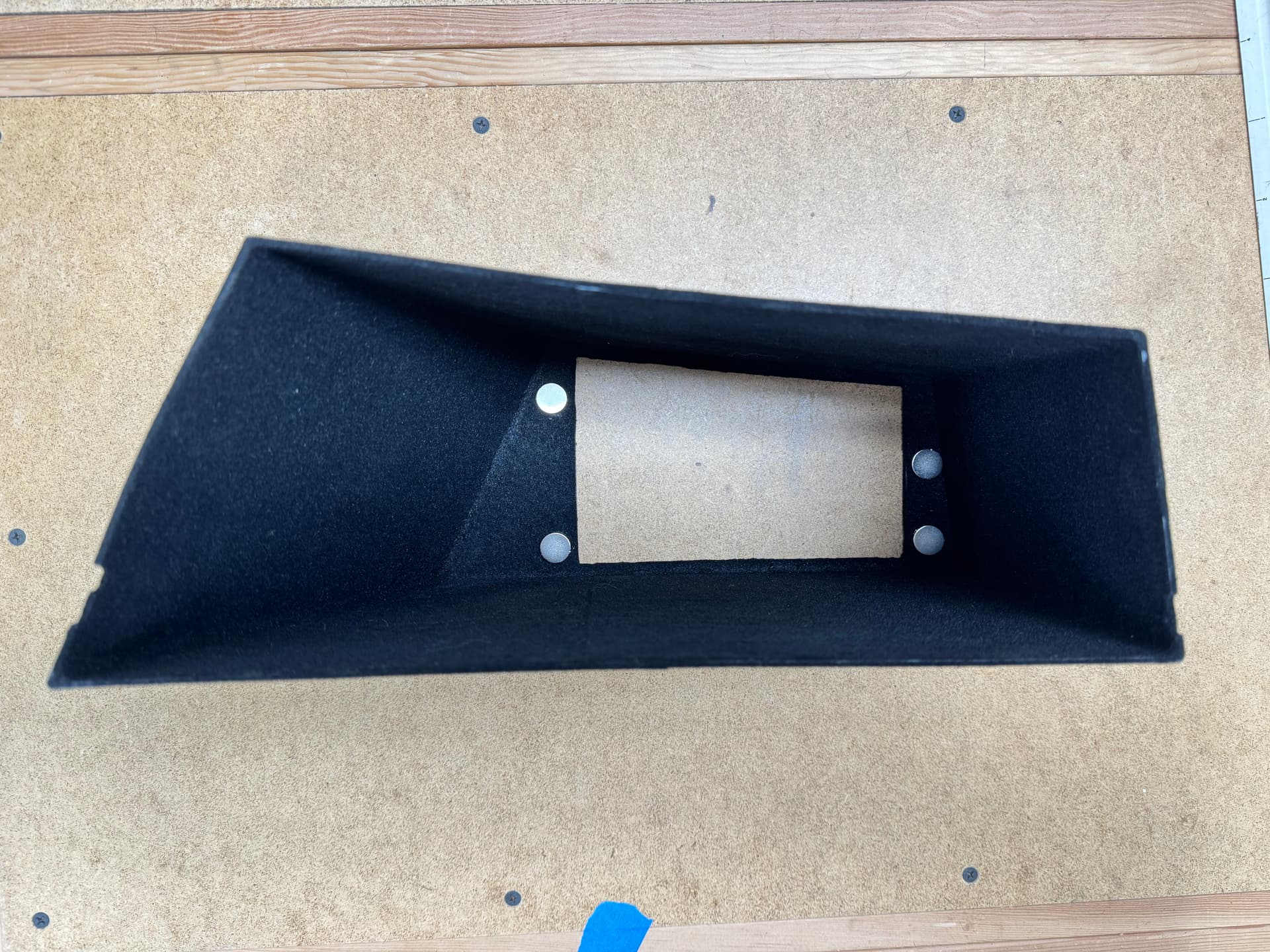
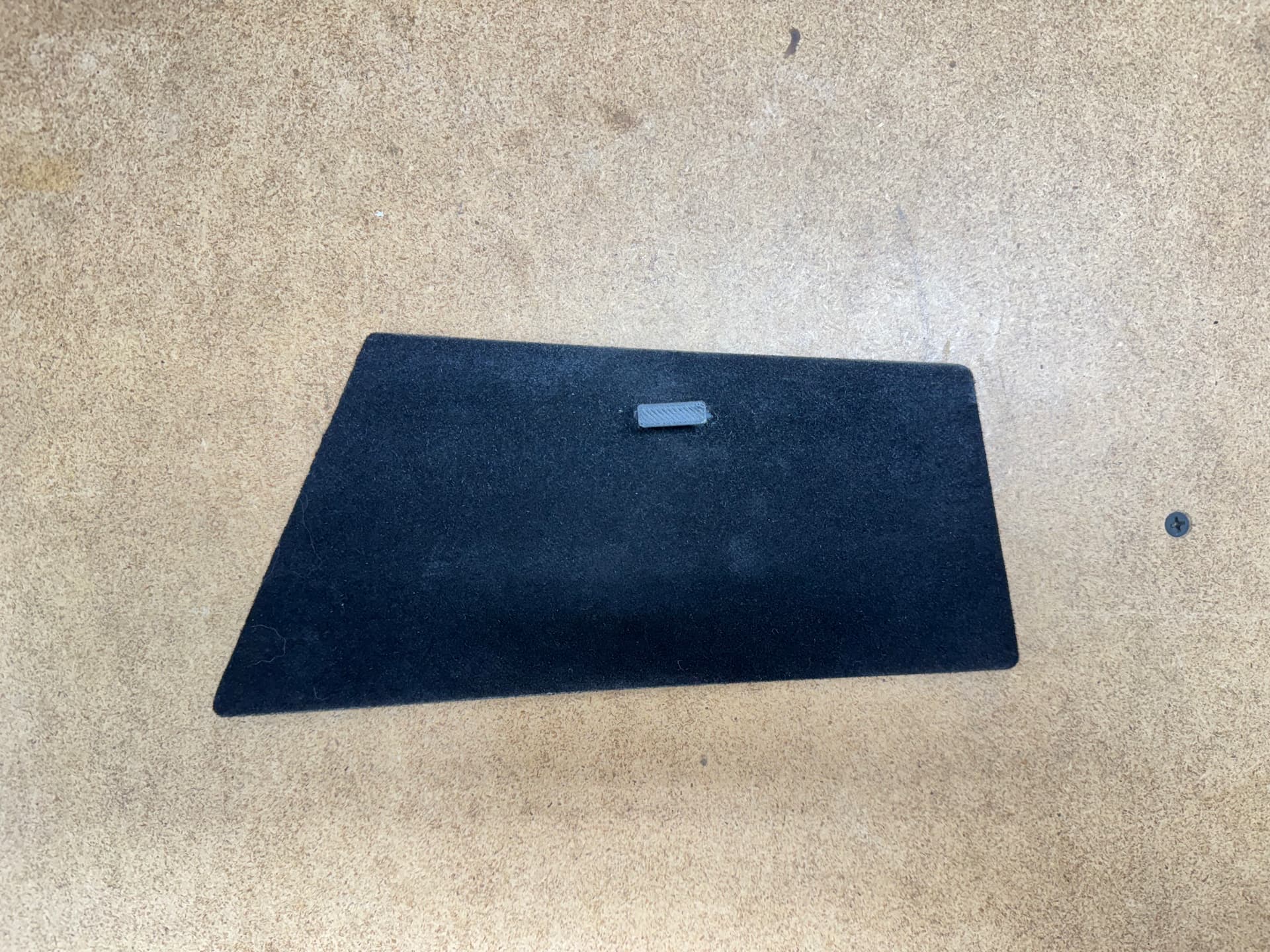
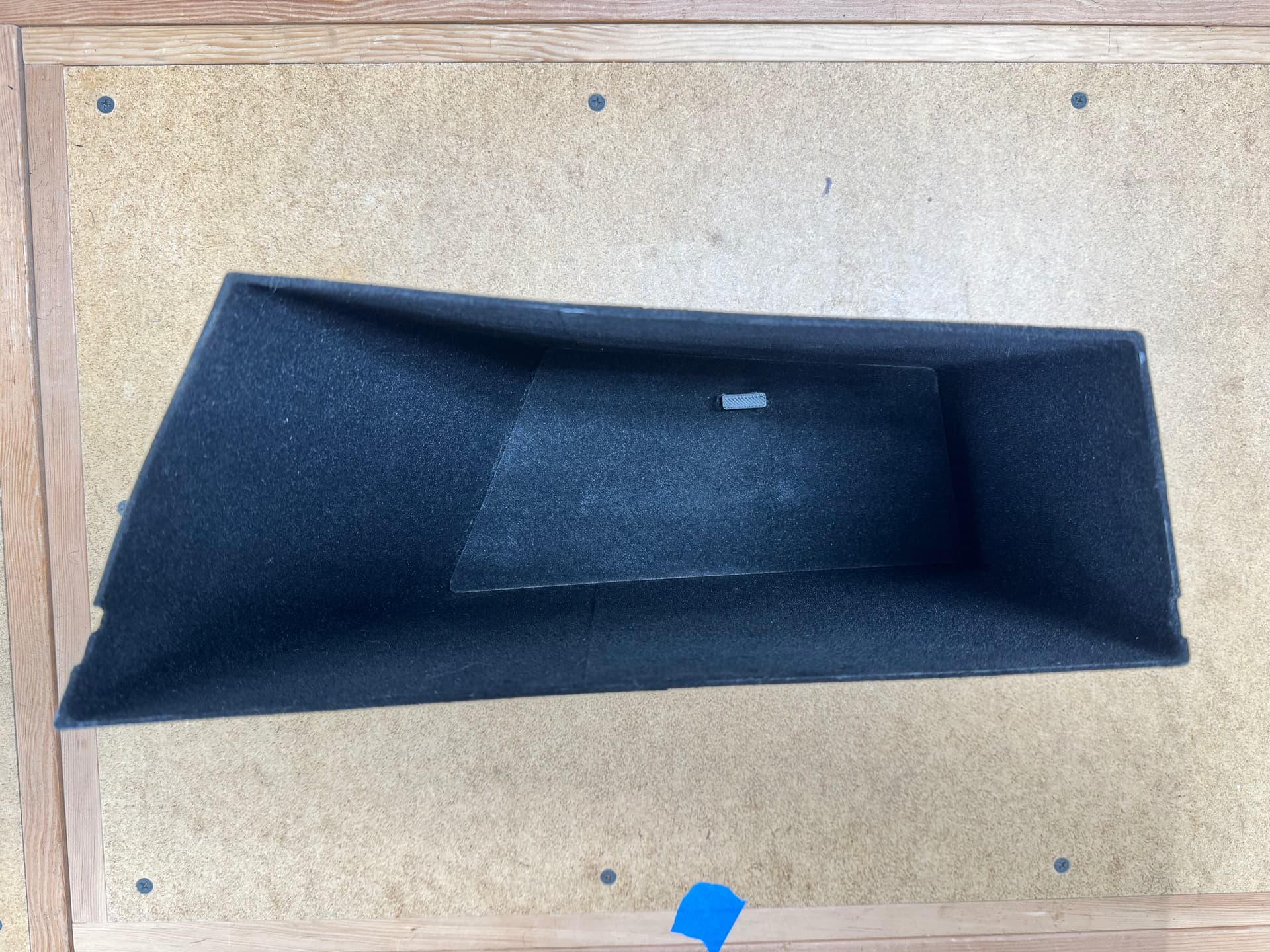
In other news, the flocking kit for the 3D printed glovebox arrived. As I write this, the recommended paint primer for plastics is drying outside. Tomorrow I attempt the flocking. It looks to be a busy week!

-John

5 „Gefällt mir“

The glove box flocking turned out well. It’s not a difficult process and not as messy as expected. One minor issue is the thickness of the coating. I assumed about 1mm but it’s more like 2mm. That created two easily addressed problems: the back door which had about 4mm of clearance, now had none, and the magnets which were sitting about 1mm proud of the 3D print, were now sunk in enough that adhesion to the facing magnets was weak. A little sanding of the door’s top and bottom edges to increase clearance and adding another layer of the thin magnets, and all is well. A fuse & relay diagram will be printed and affixed to the back of the door.


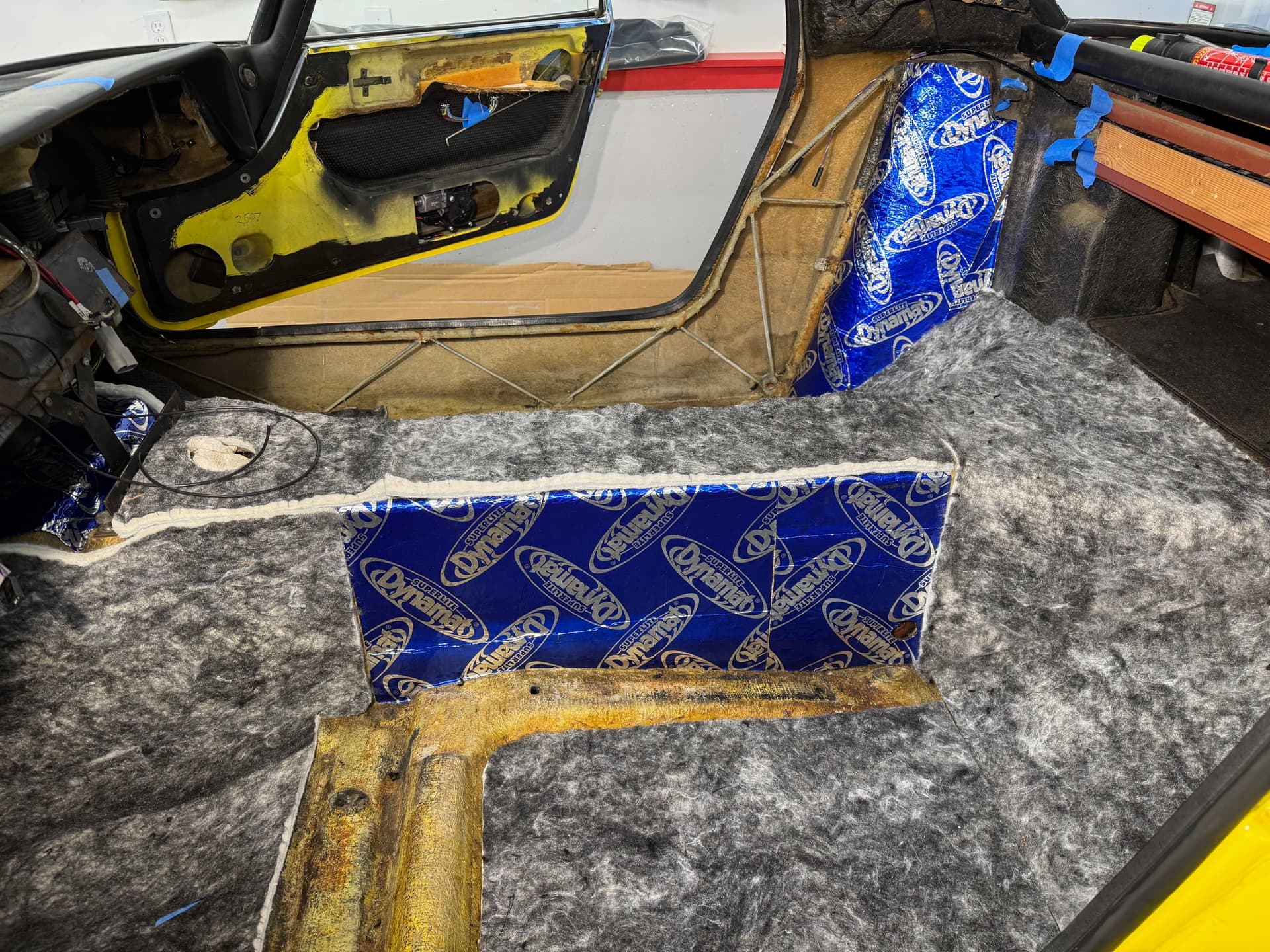
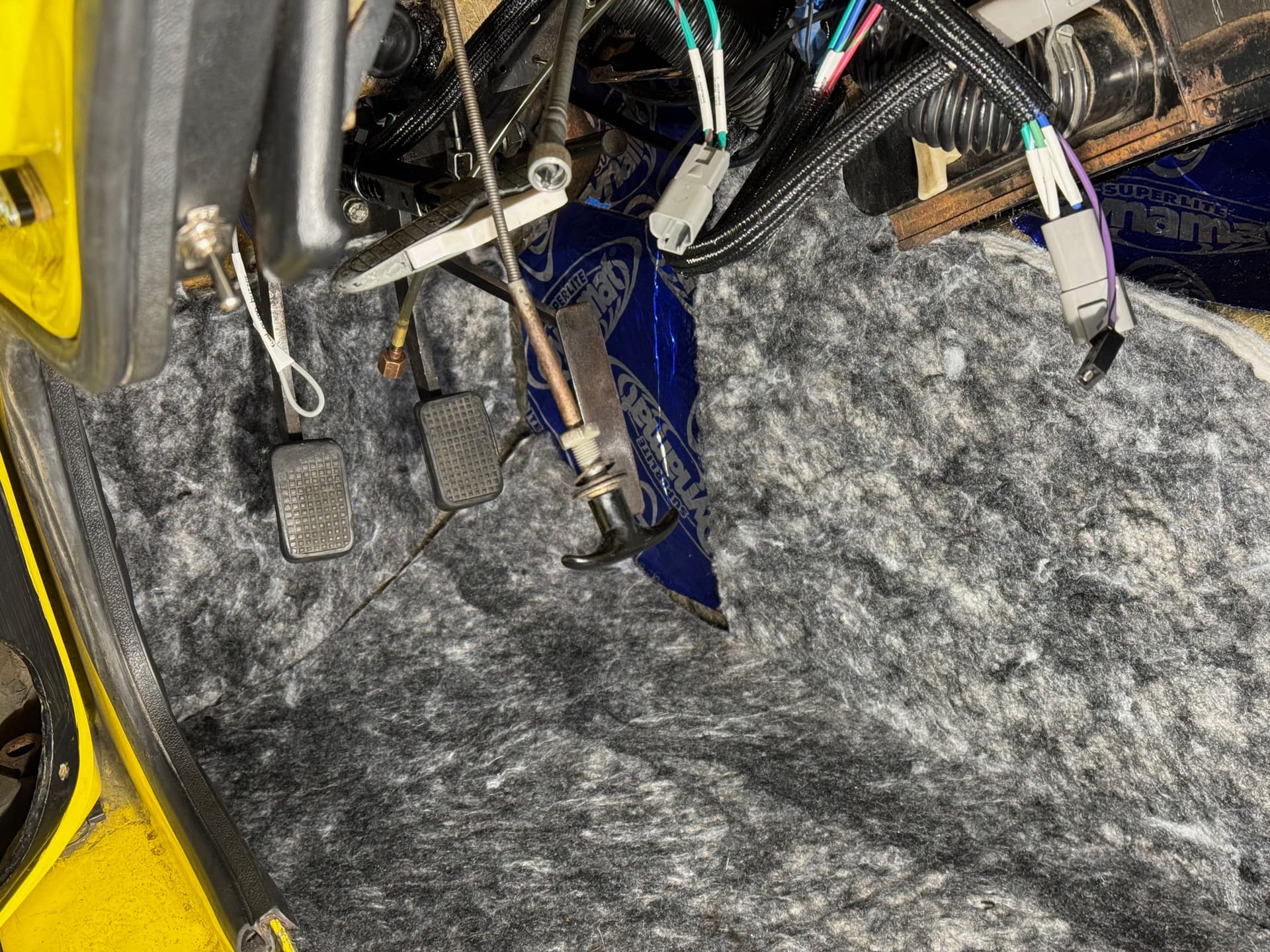
Next up was installing the DEI Under Carpet Lite and Dynamat SuperLite. The felt covering the forward portion of the transmission tunnel was cut short on my car; most likely to create a little more foot room around the throttle. To maintain that extra space, but add some heat and sound insulation, Dynamat was applied to that area. It was also added under the heater and to the rear wheel arches. The final weight savings over the original felt was interesting. The DEI saved 1.78 kg, and the Dynamat added 1.84 kg, for a net add of just 60 gr. Not bad. To be fair, my car didn’t have any felt on the rear bulkhead. I’m not sure if that’s normal or just missing, but I may address that, which will add another 400 gr.


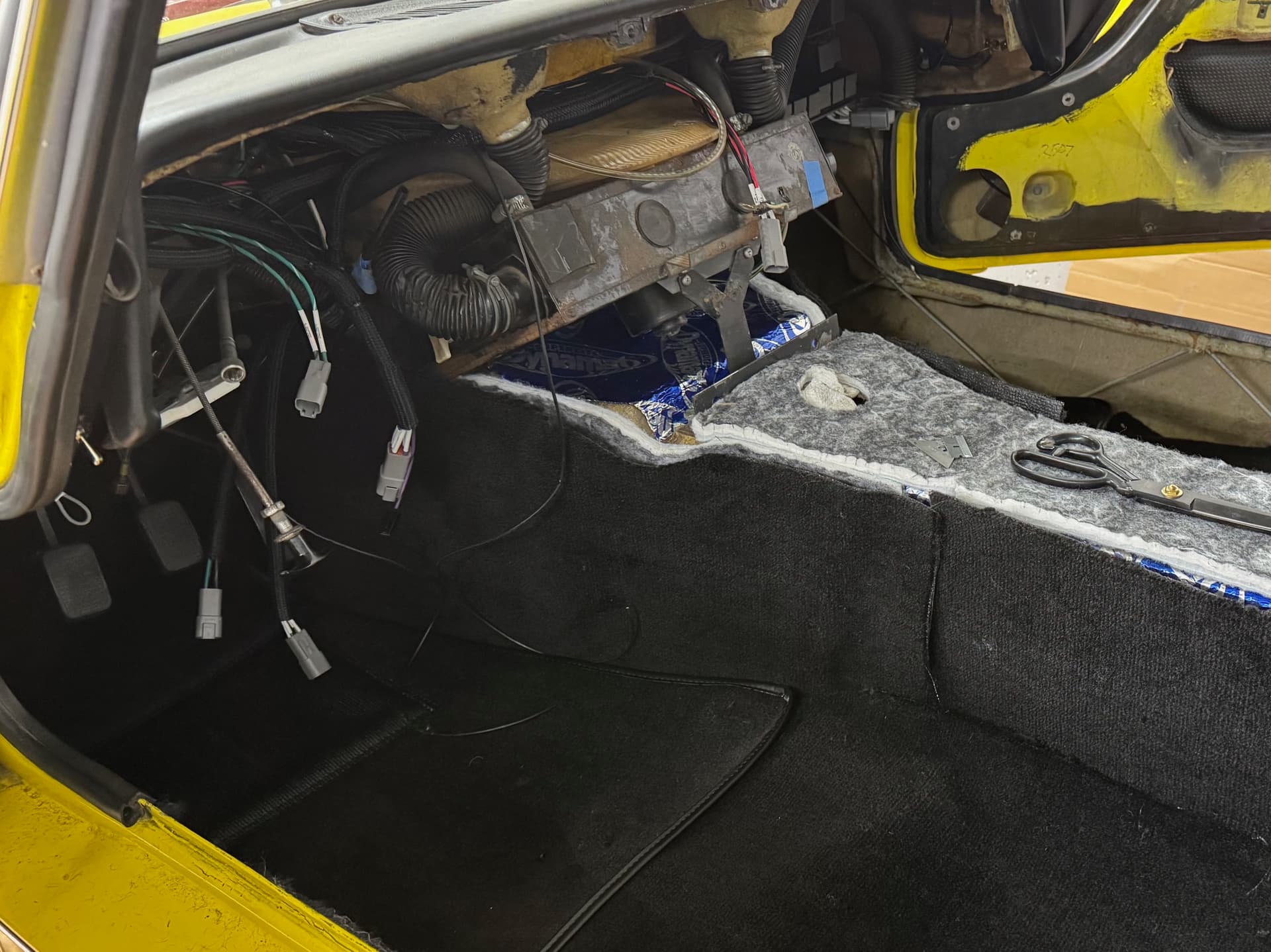
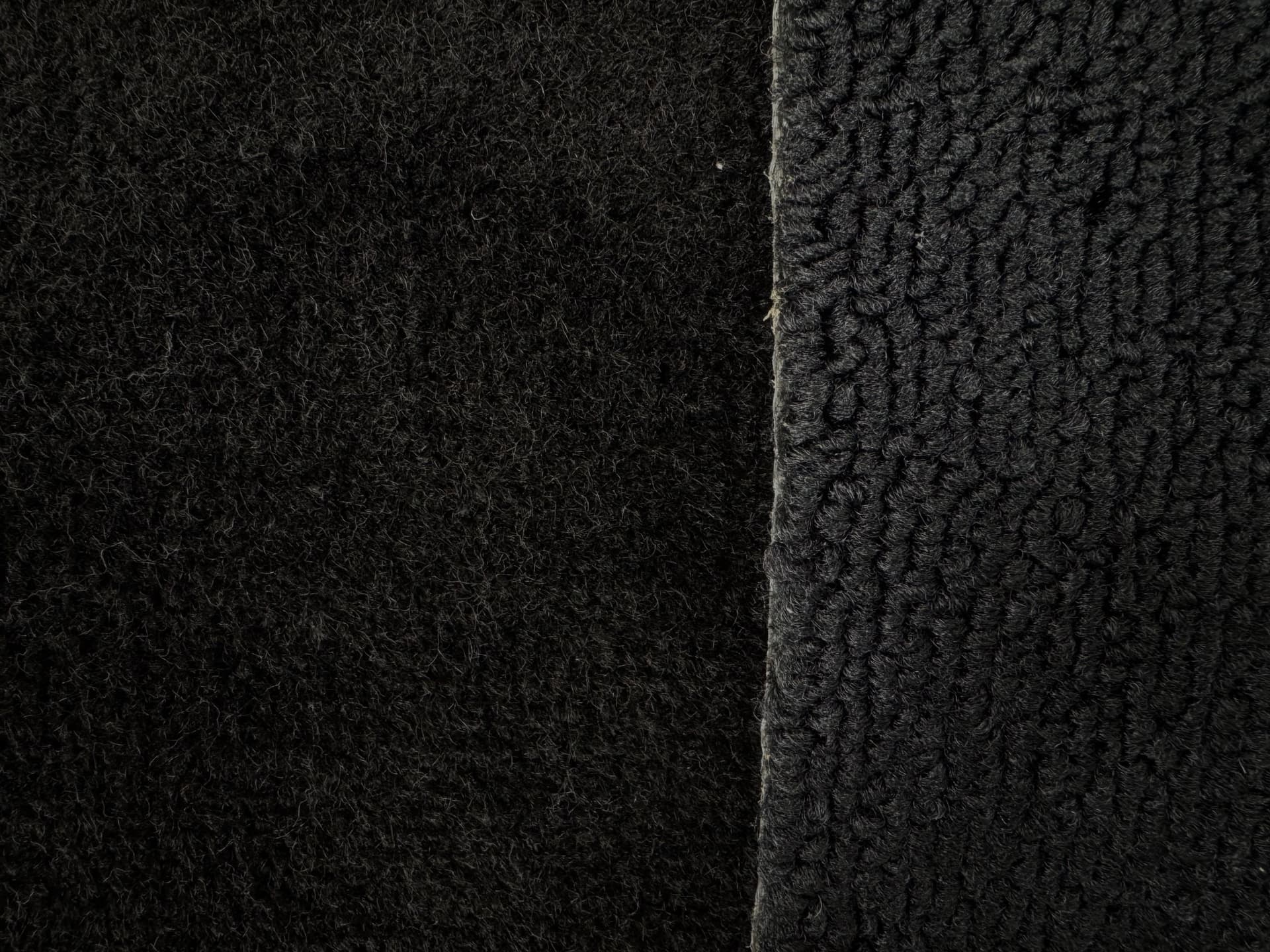
The Sue Miller supplied carpet, is a non-original tufted material, but compared to other tufted carpets I saw when getting samples from bulk suppliers in the US, it’s of a better quality, and it is much nicer than what I pulled out of the car. It’s always hard to photograph black carpet, but this shows the difference between the two. Original is on the right and is not as black as Sue’s, which is a true jet black. A test fit of the carpet (photo above) reveals a lot of trimming in my future. Hopefully I can have that done over the weekend.

-John

3 „Gefällt mir“

John,

I notice the position of your courtesy light switch, on the dry side of the door seal. Wish I had thought of that, too late now.

Richard Hawkins

Richard, I assumed that was the factory location. It’s where my original switches are located.

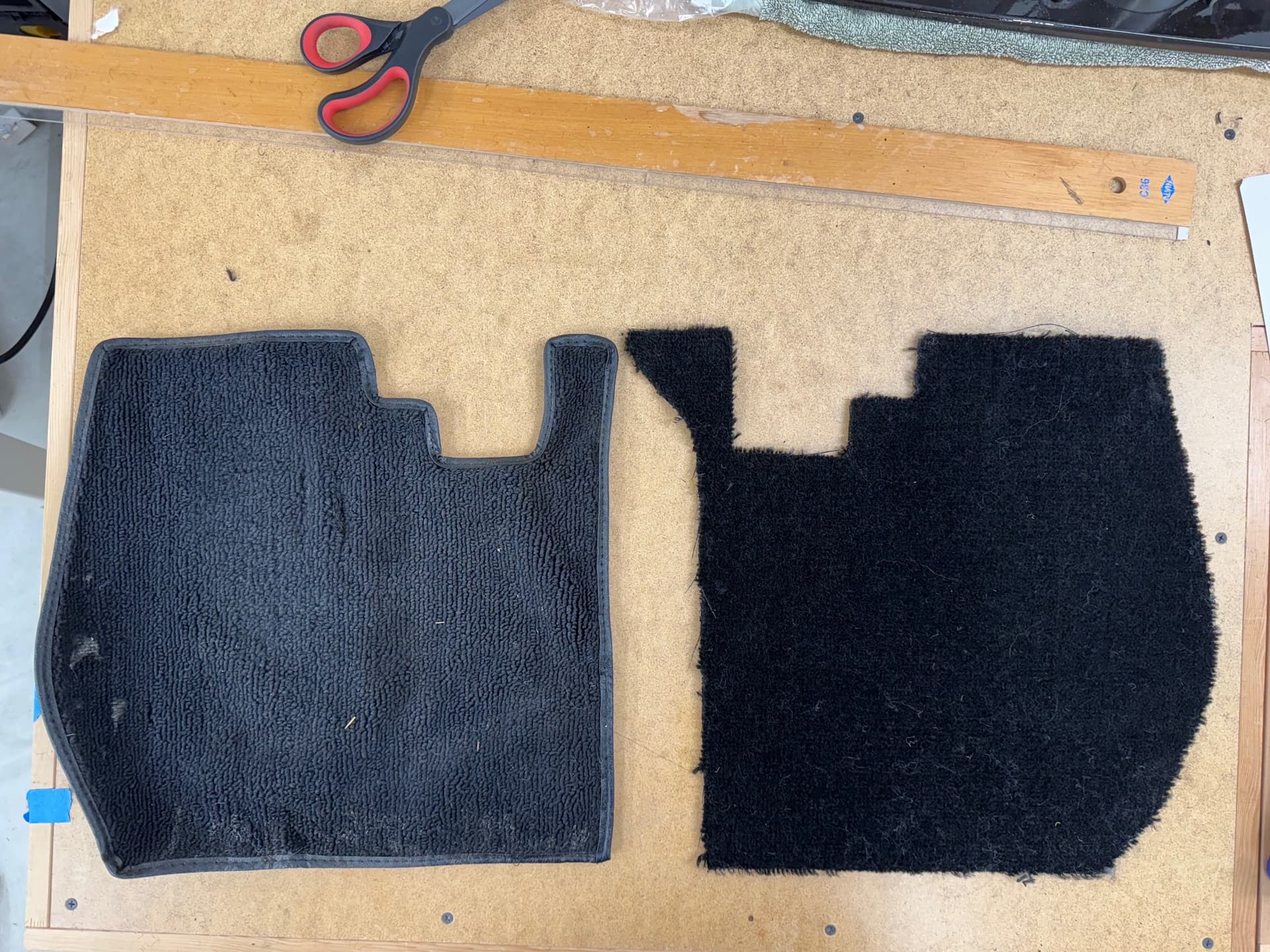
When attempting the carpet installation today, I found a problem. The driver’s side forward footwell piece that goes against the firewall was sent for a RHD car. This would be fine if my car wasn’t LHD. Oops! The photo below shows the new piece on the right and my original piece on the left. I’ve sent the photo to Sue to see how we address this. I suspect it’s faster if they just send me a suitably sized piece of carpet and I cut it myself using the old piece as a template.

-John

John,
I’m close to the stage that you are with covering floors and I am intrigued by the DEI lite. However I am replacing my floor with rubber pigskin which needs to be glued in place. (I have an S1) Would you be comfortable gluing this to the DEI lite or do you feel it would peel off or seperate from it? It’s hard to tell without seeing the material in person. Thanks.

Jim

Jim, good question. I suspect it really depends on the weight and stiffness of the top layer. It may be fine if using a brush on adhesive that soaks the layers, but I’d contact DEI via this link and ask. Having the weight per square foot or meter should help get a more accurate answer: We're here to help!

I heard back from Sue. She has a suitably sized remnant on hand and is shipping that out today. More great service from her.

1 „Gefällt mir“

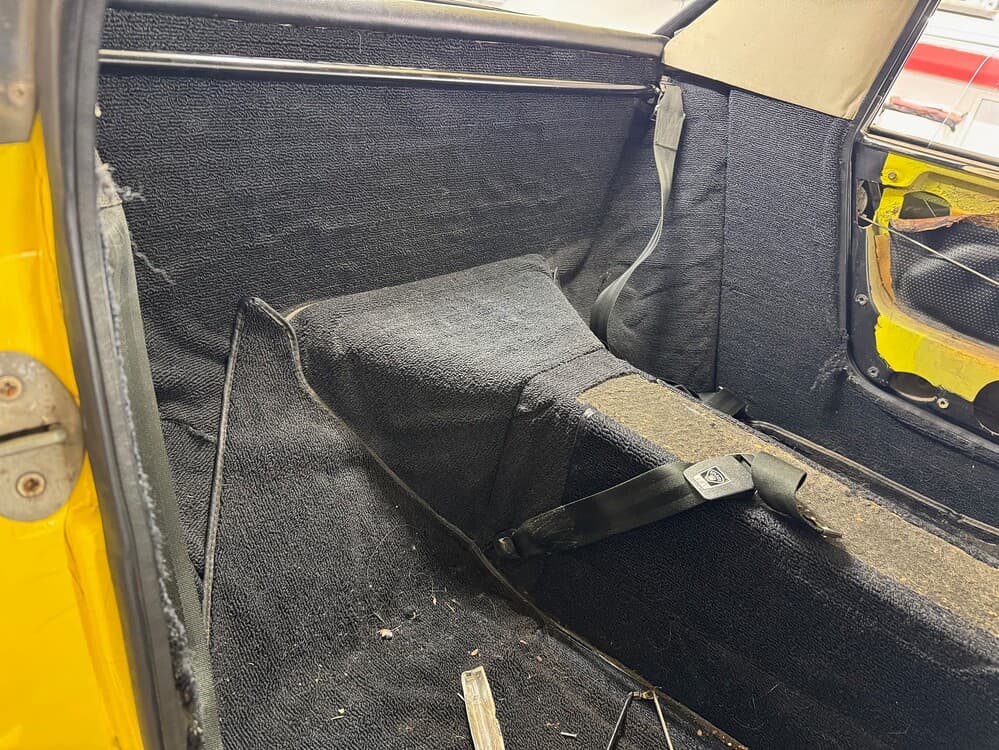
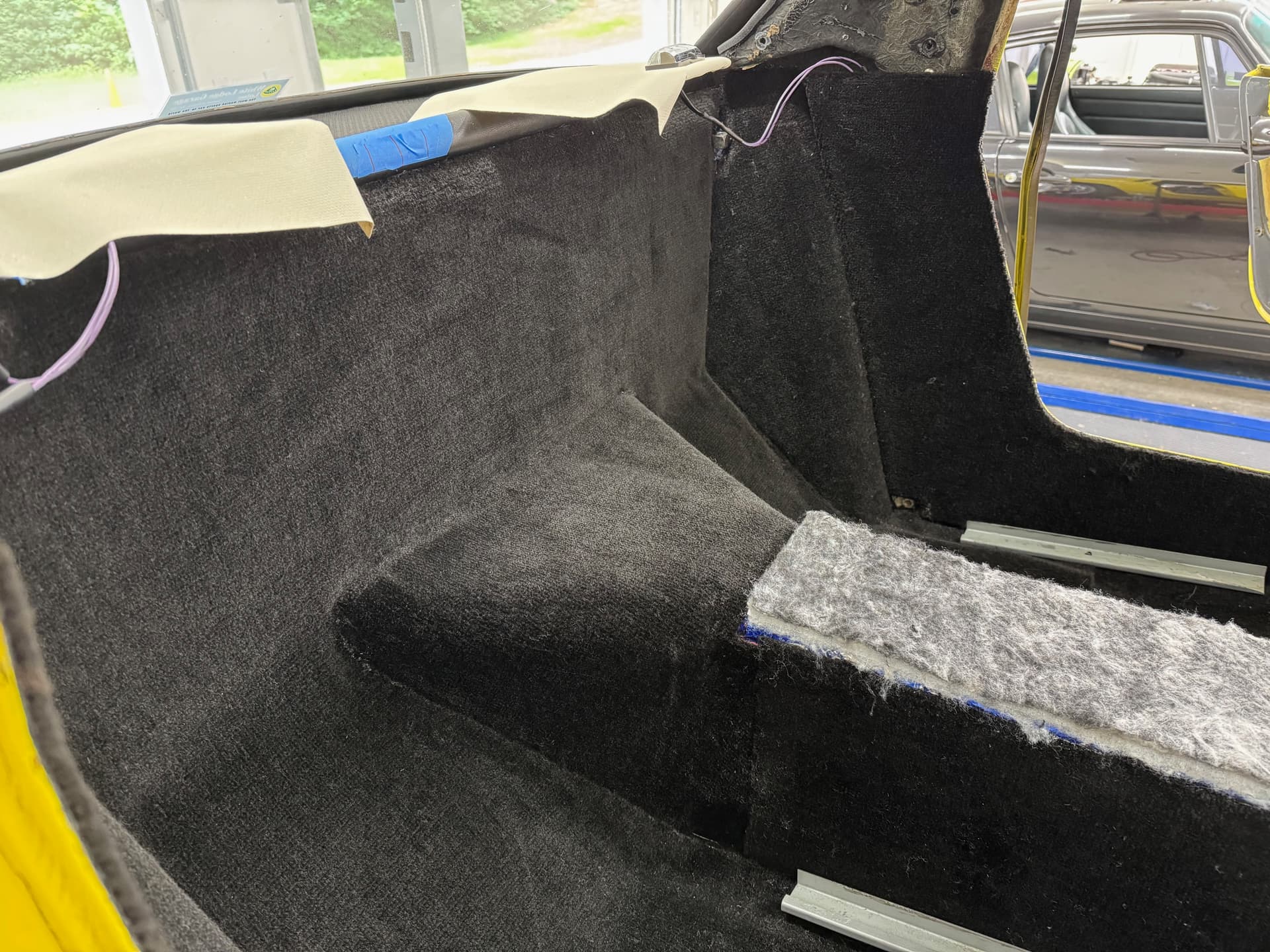
Another couple of more steps forward followed by a few steps in retreat. The carpet remnant arrived from the UK today and was cut to shape, then affixed to the firewall. With that final piece installed, the carpeting is done. For now. I haven’t yet installed the snaps for the floor mats as the DEI insulation is pretty grippy and I don’t think they’re going anywhere. If that proves incorrect, I’ll revisit in the future. Here are before and after photos. It came out well.


The quarter panel trim pieces continue to challenge me. My old boards were held in place by two lower trim clips and a silicone adhesive. Doing some research, it appears the top portion should be held to the body by the courtesy light screws which attach to rivnuts. Those are missing from my car, hence the PO’s silicone work. The biggest issue is the boards need to bend to follow the natural curves of that area. The old boards were bent, but the new boards are flat and too stiff to stay in place. Given the upholstery is already affixed, I’m worried about softening the board with steam, so my initial attempt will be to score some kerfs with a razor blade, then clamp it in place overnight to see if it starts to hold the shape. A clamp with a suitably deep throat is on order. Hopefully that is enough to form the necessary bend. If not, I’ll probably risk steam. If anyone has experience here or other options, please share.

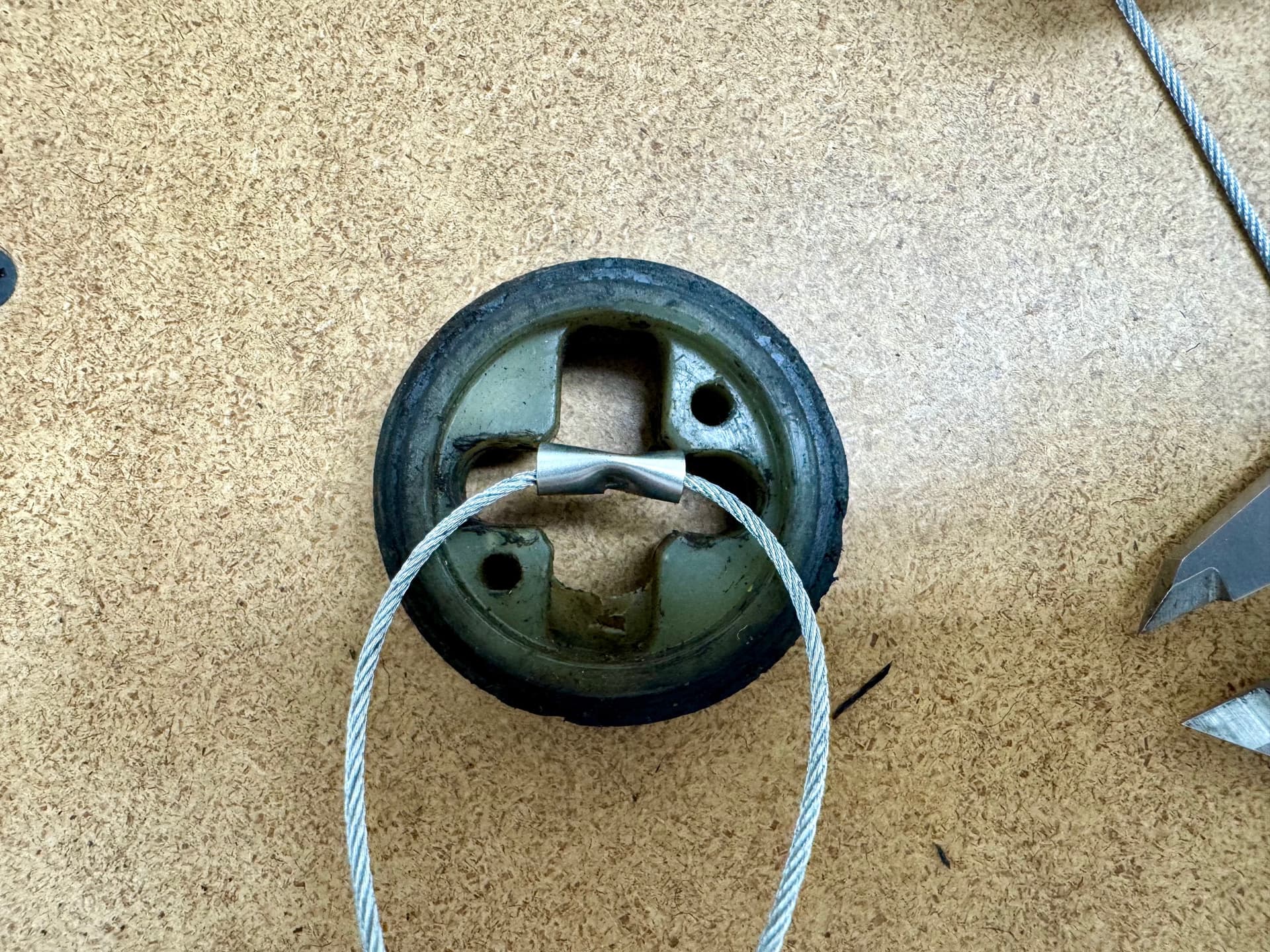
The window cable and clamps arrived. When attempting to install them, I discovered the drive pulley is damaged. The side of the groove is heavily bent in some places not allowing the cable to fully seat. I have another order with Sue that will ship soon, so I will ask her to include a new one. BTW it appears her supplier started using a longer crimp that eliminates the need for the knot in the drive pulley. It’s 15mm long, but the available space is only 11mm. Careful use of the hacksaw shorted it to a usable length.

Sliding the old transmission tunnel cover in place then holding the passenger side valance cover to the dash revealed a pretty big oops; there was a small gap (1/8") above a section of carpet, allowing the white portion of the DEI to vividly shine through. Crap. I incorrectly assumed the curved cut out in the carpet was intended to be level with the curved section of the tunnel immediately behind where the dash attaches. It’s not. I forgot to take a photo, but this driver’s side shot shows the curved section. Fortunately, that side doesn’t have this issue.

Since it’s in an otherwise inconspicuous area and it’s a very thin section, I used a razor blade to shave the pile off the carpet backing of a scrap piece, then lathered the offending section with contact cement, and pushed the fibers in place. It looks fine while still in the curing phase. We’ll see if it holds up.

As for the valance covers, my hope was that I could use low profile velcro rather than wood screws to secure them, but I don’t think that’s feasible. First it creates a gap bigger than I want, and second, given the fit isn’t perfect, there is a fair amount of flex in the plastic when held to the dash. I don’t think that type of velcro, or the adhesive backing, can securely keep it in place. I’ll now investigate installing some type of an insert or just take the easy path and use wood screws again.

-John
1 „Gefällt mir“

I thought a little more about the heater valances. I realized that although the lip that goes behind the dash is at too great an angle to use as an attachment surface, it is made of ABS, which is malleable when heated. So out came the heat gun and the lip was carefully heated and bent to form a 90 degree angle. Velcro was then applied to that surface and the back of the dash. It seems to have worked with everything sitting on the bench. We’ll see if it lasts once it’s installed in the car.

For the quarter panel trim, I took a piece of scrap hardboard, sprayed the back with water, then clamped it over small level to generate a curve similar to what is needed when mounted to the car. After it dried, it held the shape. Once the deep throat clamp arrives today, I’ll give that a try with the finished quarter panel trim boards.

John,

There is a product called bendy ply, I type of plywood that is easier to bend into shape. This stuff was recommended to me by a trimmer, I have not used it, but it may be worth following up.

Richard Hawkins

1 „Gefällt mir“

Thanks Richard, I may explore that if I strike out with the hardboard. Unfortunately, I discovered that with the equipment I’m using - including a fairly heavy clamp - I need another set of hands to make this work.

The rest of reassembly is going well. Dash is in, and electrical retested. The glovebox is installed, oil line, speedo, and headlight vacuum switch are attached, and water temp sensor, heater, cable, and choke cable are all threaded through their respective holes in the firewall. A little harder than it sounds given all the wire routing. Still to come are the steering column, then attaching water temp sensor, heater cable, and choke cable. I’ll deal with those tomorrow and may rethink my arrangement for the quarter panels so I can do it solo. But the weather is beautiful and Caterham beckons, so I’m done for the day.

-John

1 „Gefällt mir“

Here is a link to a local supplier for bendable plywood for reference. One can see how much it curves in the roll pictures. Available in 1/8” or 1/4” thickness and long or short grain orientation. I have used this product for other projects.

I tried wetting and clamping the hardboard again. This time it worked perfectly. I sprayed water on the back, let it pool for about 30 seconds, then wiped off the excess and clamped it in place for 24 hours. With only one deep throat clamp, that took 2 days, as did clamping them for 24 hours a piece to get the adhesive to set. Both sides are now done with the door rubbers in place.

I’m waiting for Sue Miller to ship what I hope is my final order so I can wrap things up. Still to do are cutting the gear lever hole in the new transmission tunnel cover (I dropped the gear lever sleeve nut into the transmission tunnel and can’t find it), reupholster the basket weave sections that affix to the doors, and fix then reinstall the window. I’ll give the sleeve nut search another shot today as I hate to wait for the Sue Miller order to finalize that portion and I don’t want to cut the hole in the tunnel cover until the gear lever is in place and I can take accurate measurements.

1 „Gefällt mir“

Another issue found, and another order place to resolve it. The PO cut the rear studs on some of the seat rails really short and used ridiculously small washers to spread the load – barely any bigger in diameter than the nuts and wafer thin. When using a proper fender washer, there weren’t enough threads exposed to engage all the threads in the locknut. The rails were also a little hacked up in other places, so two new pair are on order with RD Enterprises.

On the two steps forward side, I finally found and retrieved the gear lever sleeve nut hidden within the frame. With that located, the hole in the new transmission tunnel was measured and drilled and those pieces are now in place. I temporarily installed the seats to remind myself what a completed interior looks like. With new carpet, center console, and quarter panels, it is a very pretty place to sit. Hopefully a drive is only a couple of weeks away.

-John

4 „Gefällt mir“

Great progress! Your car sounds a bit like mine in that every time I approach a seemingly simple job, “something comes up.” Example: I wanted to repair/replace the passenger side inertia reel seatbelt, which had been secured at one of the bolts holding the rollbar. That bolt did not want to come out and when it finally did there was a ‘twang’ as the rollbar unloaded its tension. No way that bolt was ever going to go back in, barring oxy-acetylene or cutting and welding the bar to fix the misalignment. So the whole bar came out. I asked the PO about it and he told me it took 3 people to install the bar. I can imagine.

Anyway back to your interior, of which I grow increasingly jealous as you near the end. Mine needs some attention and I’m torn between restoration and preservation for some of the bits. It’ll become clearer as I get closer to actually doing it – I hope.

3 „Gefällt mir“

Restoration or preservation is always tricky. I prefer the latter when feasible, but the more I dug into this car, the more I realized that over the past 57 years, a lot of things have either already been replaced by reproduction parts, hacked up, or just done wrong during a previous repair. e.g. the transmission tunnel cover, glovebox, and carpeting were already reproductions. The seat rails had been poorly attacked by a sawzall, the wiring harness was in really bad and likely unsafe shape, when the carbs were rebuilt, they used the wrong oil and didn’t set the needles correctly resulting in poor throttle response, etc. Given all this and the fact that the suspension was already modified with TTR bits, I’m heading down the path of light restomod; keep it looking stock but improve the drivability to match my preferences. Once the car is back together and hopefully running correctly after it’s long slumber, I plan to tackle the engine and reseal the gearbox and rear diff. That will make a good winter project and should be the final major work before the car eventually has the body restored and repainted. That, however, is many years off.

1 „Gefällt mir“

The replacement seat runners arrived last night. When installing them this morning, I discovered the stud spacing on the RD Enterprises replacements matched one existing runner perfectly, but the others were 1/4" too short. A little investigation revealed that three of my original runners had longer stud spacing than the fourth. Although they look identical to each other and appear original, I can’t confirm that’s the case. Unfortunately, the holes in the floor matched the outgoing runner spacing and required elongation to mate with the new ones.

With that done and the seats in place, I attempted an engine start. Prior testing showed it would crank after the rewire, but running was an unknown. After building oil pressure, I pulled the choke, and it fired right up!

My old tach had the Spidya conversion for electronic ignition, which never worked quite right. Although the bouncing at the high end was better, it was still present, and it read about 2000 rpm at idle. With the converted tach from West Valley Instruments installed, idle appeared accurate and when blipping the cold engine to 3500 rpm, the needle swept very smoothly. I’ll need to wait for a drive when I can build oil temperature before confirming the high rpm bounce is eradicated.

-John

1 „Gefällt mir“

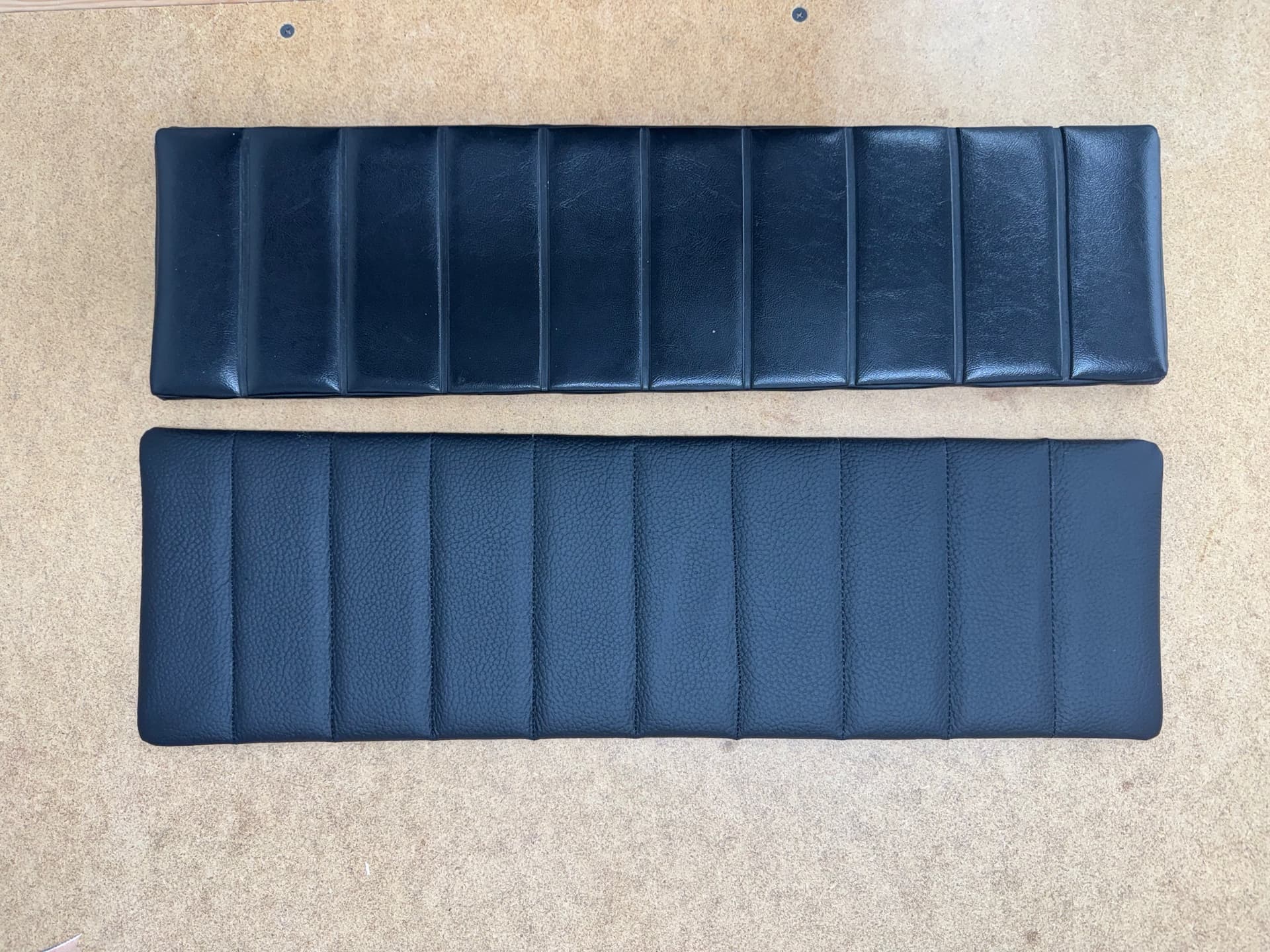
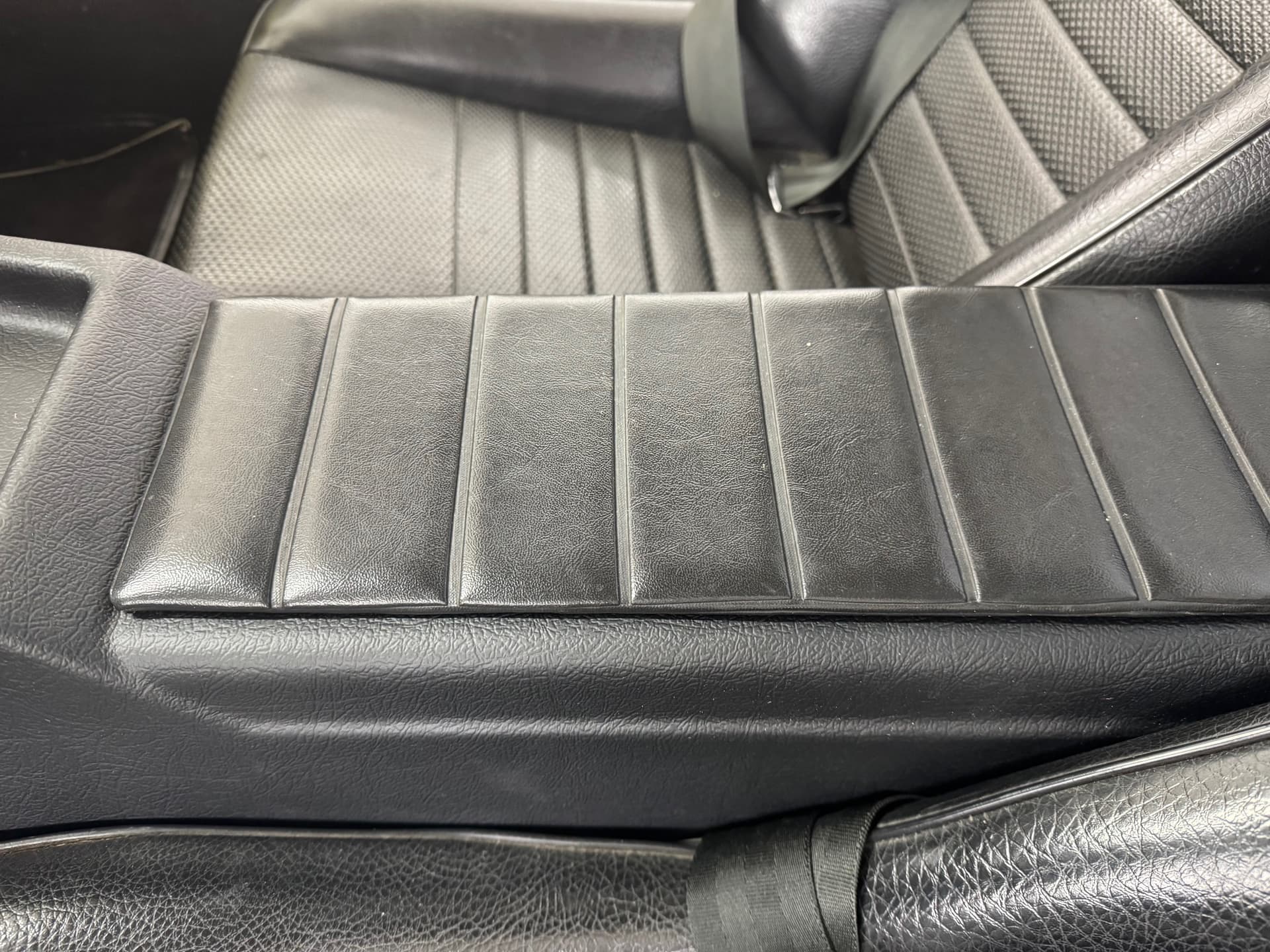
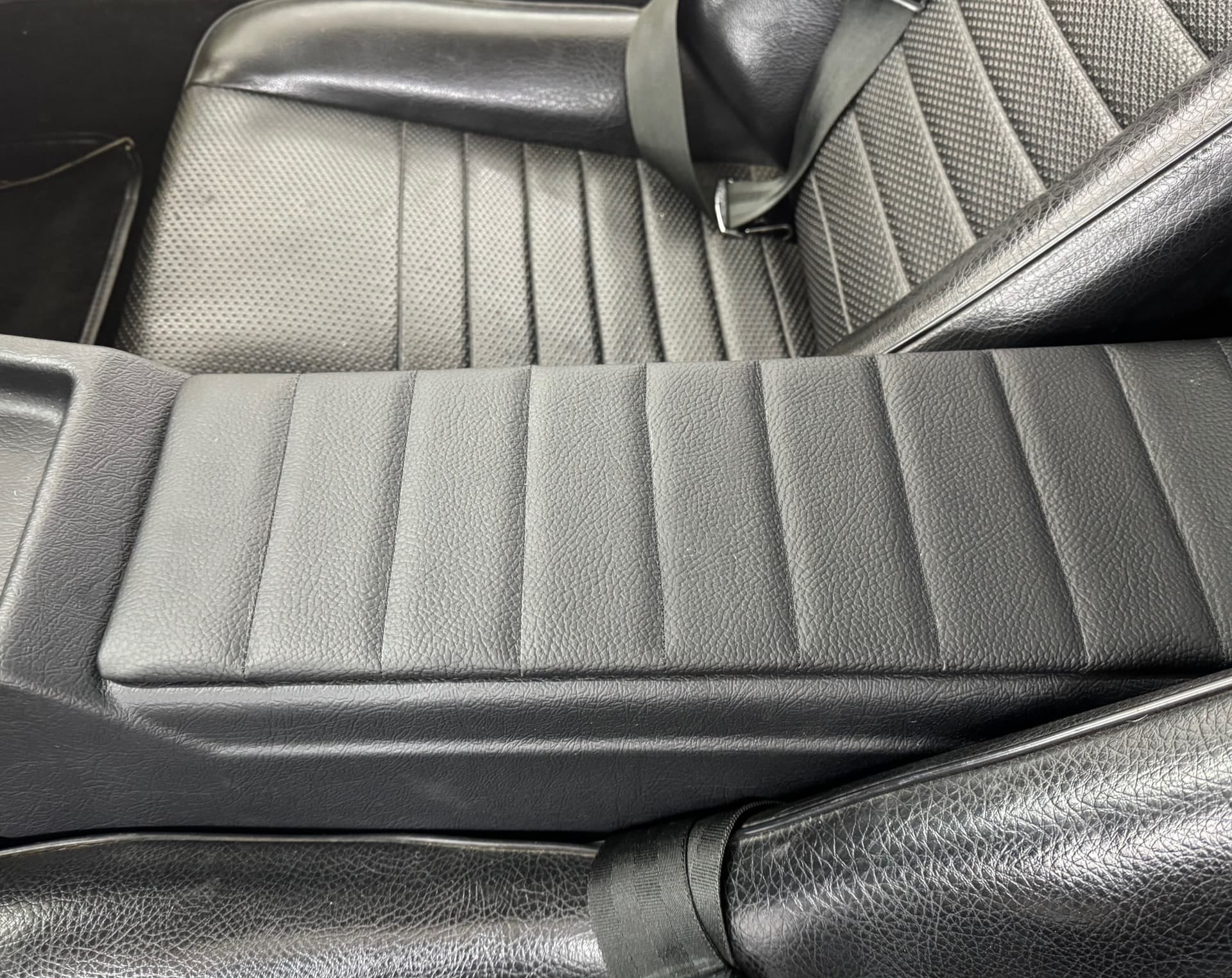
I’ve never liked the aesthetics of the center console pad. I’m not a fan of welded seams and feel it could be just a tad wider to appear more integrated with the design of the tunnel cover. Since I had some leather left over from my Caterham build, I decided to try my hand at making a new one. I did screw up one of the seams when the machine speed got away from me, but it’s not something that’s noticeable when seated. Fabrication was straightforward. A piece of hardboard was cut shape, the edges rounded over, then the leather was sewn to 1/4” fabric-backed foam. It came out better than expected. The photos below show the original and replacement next to each other, then the original in place, and finally, the leather version on the tunnel cover. It won’t be to everyone’s taste, but given it will be attached by velcro, going back to stock is an easy change.

3 „Gefällt mir“