I was given this magazine yesterday from 1992. The article was quite the best Ive read, (with only a small error about rear lights). Essential reading for anyone thinking of buying an Elan. I see the writer was Mark Hughes, maybe the same Mark Hughes whos reports and insight on F1 in Motor Sport magazine put other journalists to shame. Incidentally, the (so-called) chief F1 writer ; Andrew Benson, who copies out what others have have discovered on the BBC website is a waste of license payers money, though the license fee is excellent value, but thats another matter/rant. Jim P.S. Ive uploaded the scans in numerical order but they may/will come out in reverse order.
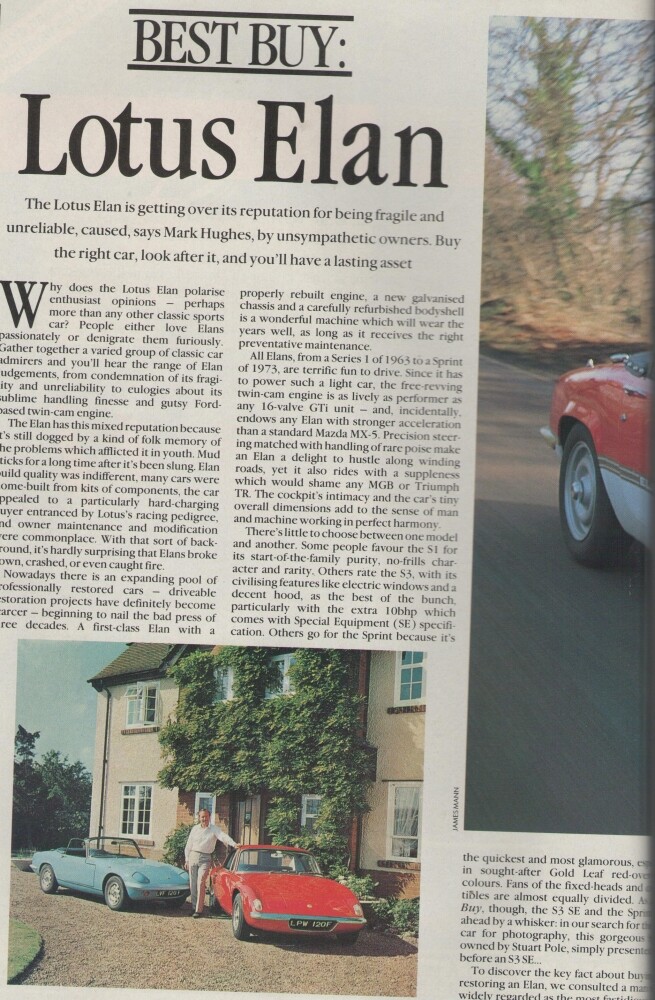
BEST BUY: Lotus Elan
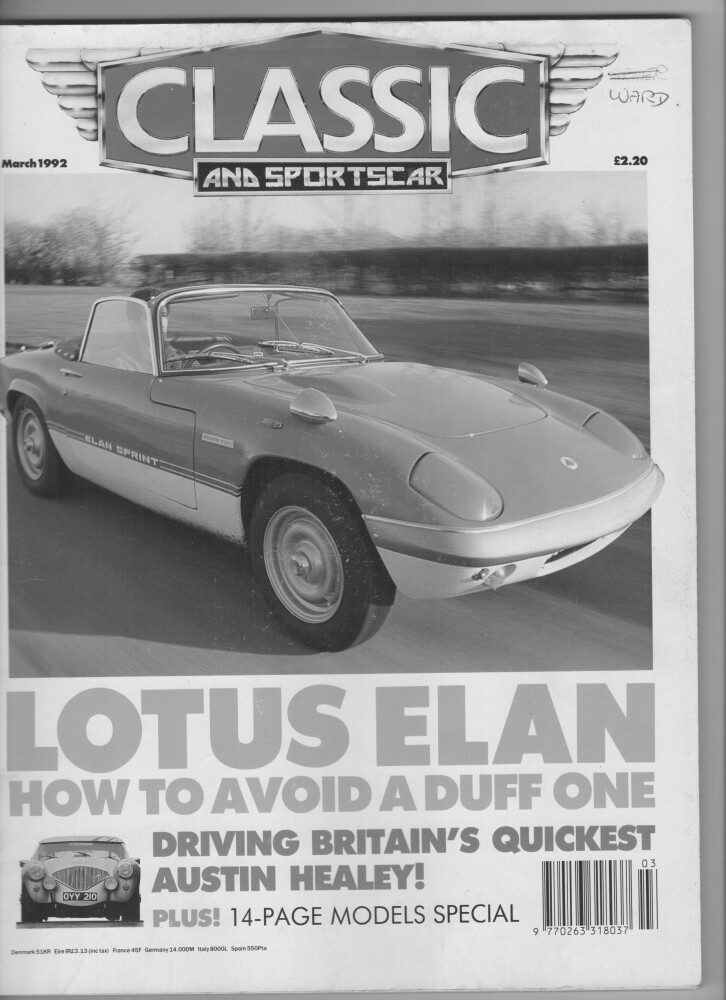
Classic and Sportscar, March 1992
Article by Mark Hughes
The Lotus Elan is getting over its reputation for being fragile and unreliable, caused, says Mark Hughes, by unsympathetic owners. Buy the right car, look after it, and you’ll have a lasting asset
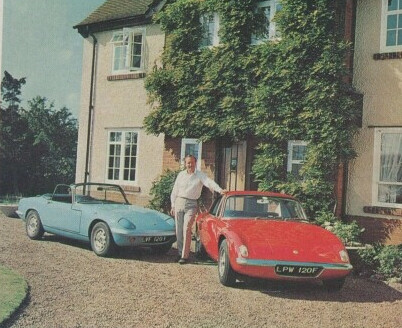
Why does the Lotus Elan polarise enthusiast opinions — perhaps more than any other classic sports car? People either love Elans passionately or denigrate them furiously. Gather together a varied group of classic car admirers and you’ll hear the range of Elan judgements, from condemnation of its fragility and unreliability to eulogies about its sublime handling finesse and gutsy Ford-based twin-cam engine.
The Elan has this mixed reputation because it’s still dogged by a kind of folk memory of the problems which afflicted it in youth. Mud sticks for a long time after it’s been slung. Elan build quality was indifferent, many cars were home-built from kits of components, the car appealed to a particularly hard-charging buyer entranced by Lotus’s racing pedigree, and owner maintenance and modification were commonplace. With that sort of background, it’s hardly surprising that Elans broke down, crashed, or even caught fire.
Nowadays there is an expanding pool of professionally restored cars — driveable restoration projects have definitely become rarer — beginning to nail the bad press of three decades. A first-class Elan with a properly rebuilt engine, a new galvanised chassis and a carefully refurbished bodyshell is a wonderful machine which will wear the years well, as long as it receives the right preventative maintenance.
All Elans, from a Series 1 of 1963 to a Sprint of 1973, are terrific fun to drive. Since it has to power such a light car, the free-revving twin-cam engine is as lively as performer as any 16-valve GTi unit — and, incidentally, endows any Elan with stronger acceleration than a standard Mazda MX-5. Precision steering matched with handling of rare poise make an Elan a delight to hustle along winding roads, yet it also rides with a suppleness which would shame any MGB or Triumph TR. The cockpit’s intimacy and the car’s tiny overall dimensions add to the sense of man and machine working in perfect harmony.
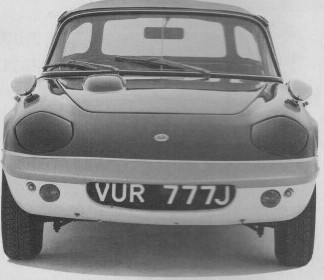
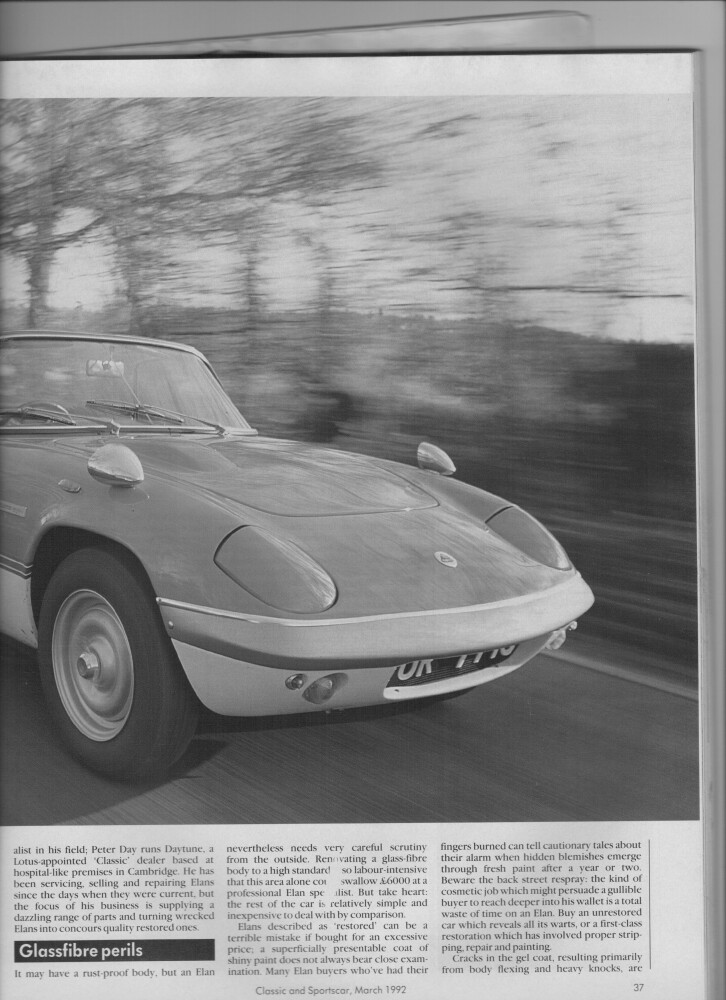
There’s little to choose between one model and another. Some people favour the S1 for its start-of-the-family purity, no-frills character and rarity. Others rate the S3, with its civilising features like electric windows and a decent hood, as the best of the bunch, particularly with the extra 10bhp which comes with Special Equipment (SE) specification. Others go for the Sprint because it’s the quickest and most glamorous, especially in sought-after Gold Leaf red-over-yellow colours. Fans of the fixed-heads and +2s are almost equally divided. As Best Buy, though, the S3 SE and the Sprint come ahead by a whisker; in our search for a cover car for photography, this gorgeous car, owned by Stuart Pole, simply presented itself before an S3 SE…
To discover the key fact about buying and restoring an Elan, we consulted a man widely regarded as the most fastidious specialist in his field; Peter Day runs Daytune, a Lotus-appointed ‘Classic’ dealer based at hospital-like premises in Cambridge. He has been servicing, selling and repairing Elans since the days when they were current, but the focus of his business is supplying a dazzling range of parts and turning wrecked Elans into concours quality restored ones.
Glassfibre perils
It may have a rust-proof body, but an Elan nevertheless needs very careful scrutiny from the outside. Renovating a glass-fibre body to a high standard is so labour-intensive that this area alone can swallow £6000 at a professional Elan specialist. But take heart: the rest of the car is relatively simple and inexpensive to deal with by comparison.
Elans described as ‘restored’ can be a terrible mistake if bought for an excessive price; a superficially presentable coat of shiny paint does not always bear close examination. Many Elan buyers who’ve had their fingers burned can tell cautionary tales about their alarm when hidden blemishes emerge through fresh paint after a year or two. Beware the back street respray: the kind of cosmetic job which might persuade a gullible buyer to reach deeper into his wallet is a total waste of time on an Elan. Buy an unrestored car which reveals all its warts, or a first-class restoration which has involved proper stripping, repair and painting.
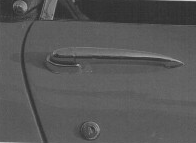
Cracks in the gel coat, resulting primarily from body flexing and heavy knocks, are usually the most obvious flaws, and cause paint to split in linear, ringed or starred patterns. In extreme cases an Elan can be riddled with them, but they occur chiefly at stressed points like boot hinges, door handles, badge mountings, headlamp pods and panel edges, or where stones have impacted in wheelarches and on the nose.
The problem with basic resprays is that gel cracks are merely concealed, not repaired. Don’t fall for this kind of car: the price may seem attractive but the body will soon look terrible. Gel cracks which have been filled or covered with thick paint will always reveal itself first as a line which looks like a crack and eventually as an open wound in the paint. How do you avoid the duds if you’re buying a restored car? Shrewd enquiries about the work restoration techniques used will remove any doubts if the car has been worked on by a recognised specialised or a careful amateur, but there are plenty of things to look for with a really thorough examination of the body.
You need to discover whether the car has received new paint over old — a
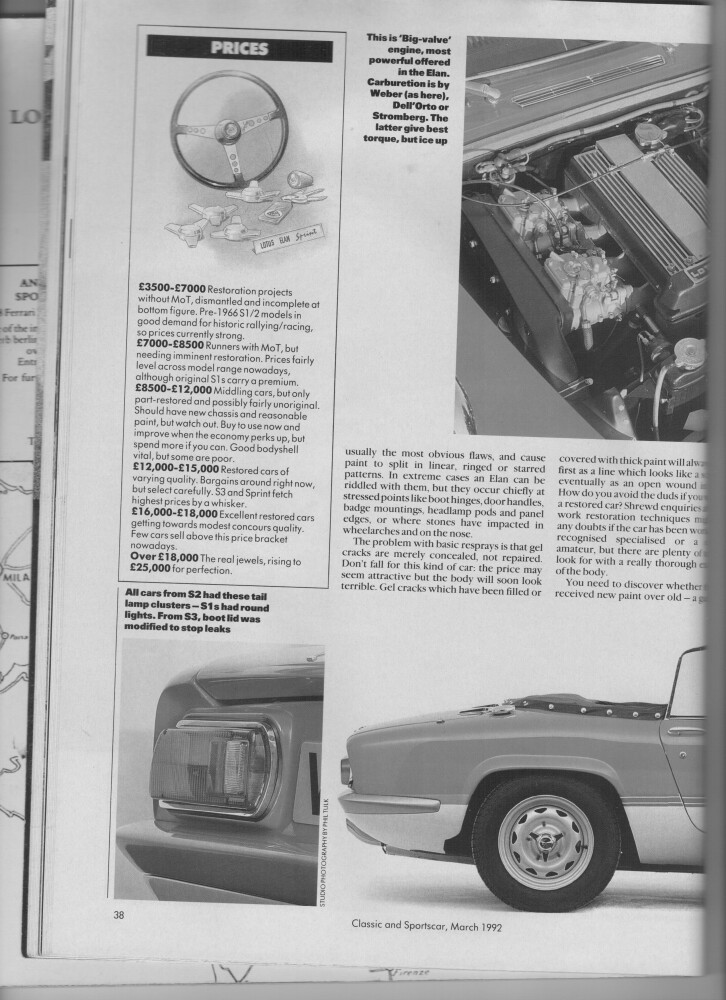
PRICES
£3500–£7000 Restoration projects without MoT, dismantled and incomplete at bottom figure. Pre-1966 S1/2 models in good demand for historic rallying/racing, so prices currently strong.
£7000–£8500 Runners with MoT, but needing imminent restoration. Prices fairly level across model range nowadays, although original S1s carry a premium.
£8500–£12,000 Middling cars, but only part-restored and possibly fairly unoriginal. Should have new chassis and reasonable paint, but watch out. Buy to use now and improve when the economy perks up, but spend more if you can. Good bodyshell vital, but some are poor.
£12,000–£15,000 Restored cars of varying quality. Bargains around right now, but select carefully. S3 and Sprint fetch highest prices by a whisker.
£16,000–£18,000 Excellent restored cars getting towards modest concours quality. Few cars sell above this price bracket nowadays.
Over £18,000 The real jewels, rising to £25,000 for perfection.
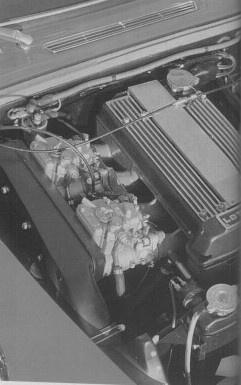
This is ‘Big-valve’ engine, most powerful offered in the Elan. Carburetion is by Weber (as here), Dell’Orto or Stromberg. The latter give best torque, but ice up
Bodyshell restoration
Bodyshell restoration is easily the most time-consuming part of an Elan rebuild. Paul Newman, Daytune’s bodyshop manager, estimates that the entire job takes between 150 and 250 hours — or as much as seven weeks of solid work in the worst cases. Most of the labour goes into the hard graft of stripping the paint (a minimum of 80 hours) and then repairing all the gel cracks; these have to be ground out, the edges of the existing gel feathered, and fresh resin laid on. Before painting, three fine coats of spray filler need to be applied and flatted back to create a smooth surface. Four coats of primer are followed by more flatting and four final colour coats.
A car may have been stripped back to bare glassfibre in this approved manner, but inadequately prepared prior to painting. In the wrong hands, paint stripper and a scraper can remove parts of the gel coat altogether. You don’t want to find sanding marks on a textured normal glassfibre weave showing beneath the paint, nor uneven profiles where thick layers of filler have been used. Just to add to the complexity of Elan bodyshell work, it’s worth knowing that the factory itself used filler to cover mould imperfections. All Elans have a particular mould flaw halfway down the ‘A’ panels in front of the doors; some restored cars have a big dimple here where all the filler has been removed.
Professional accident repairs are nothing to worry about on an Elan because reasonably priced replacement sections — such as a front corner for around £330 — can easily be grafted on by a skilled glassfibre specialist. Good quality work will be invisible, but poor repairs can be spotted. Run your fingers around the wheelarches, feeling for the definite bump which is characteristic of a crude join disguised with filler. Look also in the engine bay for patches of bare glassfibre standing proud of the normal smooth finish.
Some cars have been restored around a complete new bodyshell, because of serious accident damage or extreme gel coat deterioration; commercial restoration around a new bodyshell can be cheaper in the latter case. Bodyshells are available from around £2500 complete with headlamp pods, doors and headlamp pods. Cheaper production bodyshells, which tend to be of poorer quality, can be identified because they usually have hexagonal stud inserts at the 16 mounting points to the chassis, whereas factory shells have round aluminium bobbins.
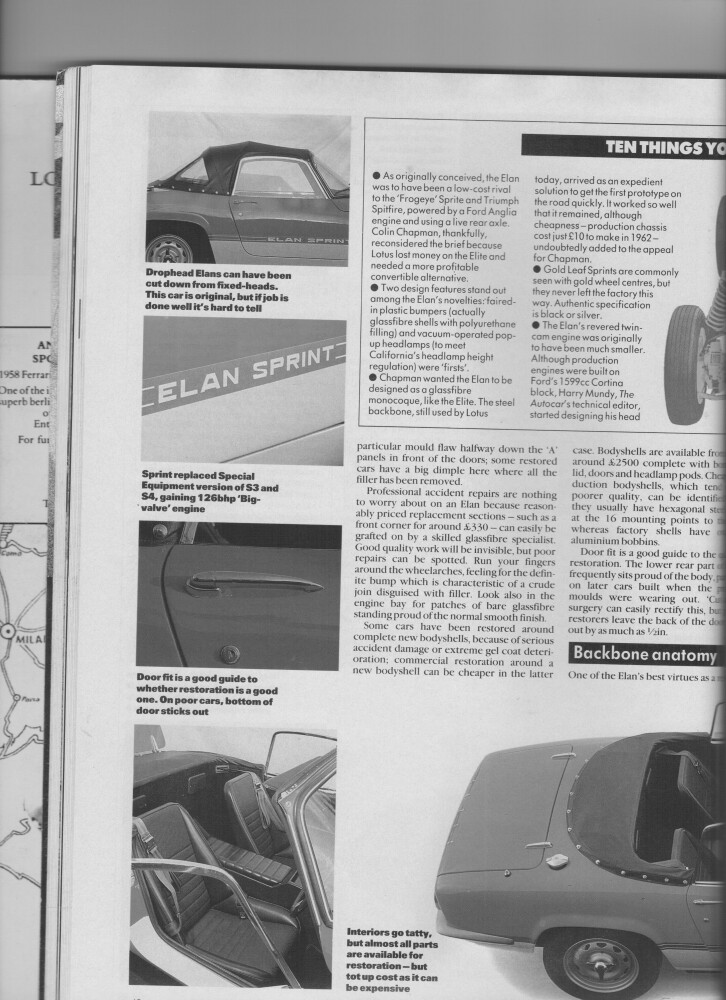
Door fit is a good guide to the quality of a restoration. The lower rear part of the door frequently sits proud of the body on later cars built when the glassfibre moulds were wearing out. ‘Corrective’ surgery can easily rectify this, but many restorers leave the back of the door sticking out by as much as ½in.
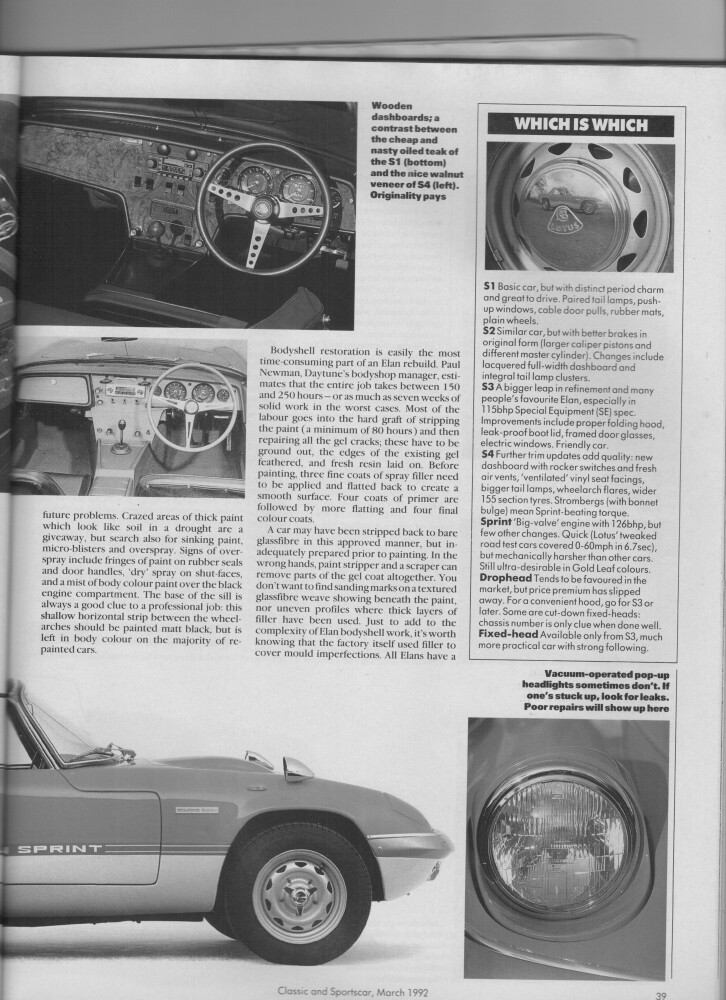
WHICH IS WHICH
S1 Basic car, but with distinct period charm and great to drive. Paired tail lamps, push-up windows, cable door pulls, rubber mats, plain wheels.
S2 Similar car, but with better brakes in original form (larger caliper pistons and different master cylinder). Changes include lacquered full-width dashboard and integral tail lamp clusters.
S3 A bigger leap in refinement and many people’s favourite Elan, especially in 115bhp Special Equipment (SE) spec. Improvements include proper folding hood, leak-proof boot lid, framed door glasses, electric windows. Friendly car.
S4 Further trim updates add quality: new dashboard with rocker switches and fresh air vents, ‘ventilated’ vinyl seat facings, bigger tail lamps, wheelarch flares, wider 155 section tyres. Widened body (with bonnet bulge) mean Sprint-beating torque.
Sprint ‘Big-valve’ engine with 126bhp, but few other changes. Quick (Lotus’ tweaked road test cars covered 0–60mph in 6.7sec), but mechanically harsher than other cars. Still ultra-desirable in Gold Leaf colours.
Drophead Tends to be favoured in the market, but price premium has slipped away. For a convenient hood, go for S3 or later. Some are cut-down fixed-heads: chassis number is only clue when done well.
Fixed-head Available only from S3, much more practical car with strong following.
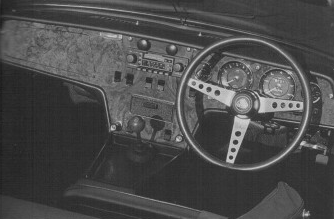
Wooden dashboards; a contrast between the cheap and nasty oiled teak of the S1 (bottom) and the nice walnut veneer of S4 (left). Originality pays
future problems. Crazed areas of thick paint which look like soil in a drought are a giveaway, but search also for sinking paint, micro-blisters and overspray. Signs of overspray include fringes of paint on rubber seals and door handles, ‘dry’ spray on shut-faces, and a mist of body colour paint over the black engine compartment. The base of the sill is always a good clue to a professional job: this shallow horizontal strip between the wheelarches should be painted matt black, but is left in body colour on the majority of repainted cars.
TEN THINGS YOU
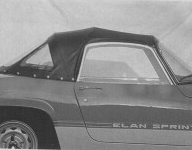
Drophead Elans can have been cut down from fixed-heads. This car is original, but if job is done well it’s hard to tell
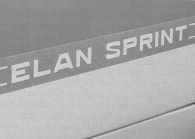
Sprint replaced Special Equipment version of S3 and S4, gaining 126bhp ‘Big-valve’ engine
Interiors go tatty, but almost all parts are available for restoration — but tot up cost as it can be expensive
● As originally conceived, the Elan was to have been a low-cost rival to the ‘Frogeye’ Sprite and Triumph Spitfire, powered by a Ford Anglia engine and using a live rear axle. Colin Chapman, thankfully, reconsidered the brief because Lotus lost money on the Elite and needed a more profitable convertible alternative.
● Two design features stand out among the Elan’s novelties: faired-in plastic bumpers (actually glassfibre filling) and vacuum-operated pop-up headlamps (to meet California’s headlamp height regulation) were ‘firsts’.
● Chapman wanted the Elan to be designed as a glassfibre monocoque, like the Elite. The steel backbone, still used by Lotus today, arrived as an expedient solution to get the first prototype on the road quickly. It worked so well that it remained, although cheapness — production chassis cost just £10 to make in 1962 — undoubtedly added to the appeal for Chapman.
● Gold Leaf Sprints are commonly seen with gold wheel centres, but they never left the factory this way. Authentic specification is black or silver.
● The Elan’s revered twin-cam engine was originally to have been much smaller. Although production engines were built on Ford’s 1599cc Cortina block, Harry Mundy, The Autocar’s technical editor, started designing his head conversion for the 1340cc Classic 109E block.
● One Lotus employee closely involved in the Elan’s conception still works for the company. Albert Adams, who joined Colin Chapman in 1957, handled glassfibre work on the original Elan — and developed new composites technology for the current M100 Elan.
● A new boot lid design was introduced for the S3 because owners of early Elans complained that their luggage got wet when driving through rain. The reason is a curious one. Owing to the effect of surface tension, water refuses to flow down the narrow drainage tubes from the boot gutter on S1 and S2 models.
● Every Elite reputedly lost Lotus £100, so the Elan always had to be cheaper to make. At launch, its Herald-derived seats cost £5 each compared with £70 for a specially-made Elite seat.
● Countless restorers have imagined the white dashboard labelling on S4 models to be Letraset-type decals. The words were in fact painted with a silk screen process.
● The Elan name arrived by chance, as Ron Hickman, the car’s designer, remembers: “Chapman wanted to call the new car the Elite, but I didn’t. I went through the ‘E’ section of the dictionary and Elan was my favourite. Chapman didn’t like it, but I suggested that we all referred to the car as the Elan for a couple of weeks. The name stuck.”
ON ABOUT THE LOTUS ELAN
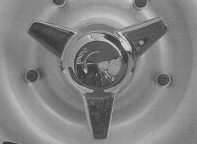
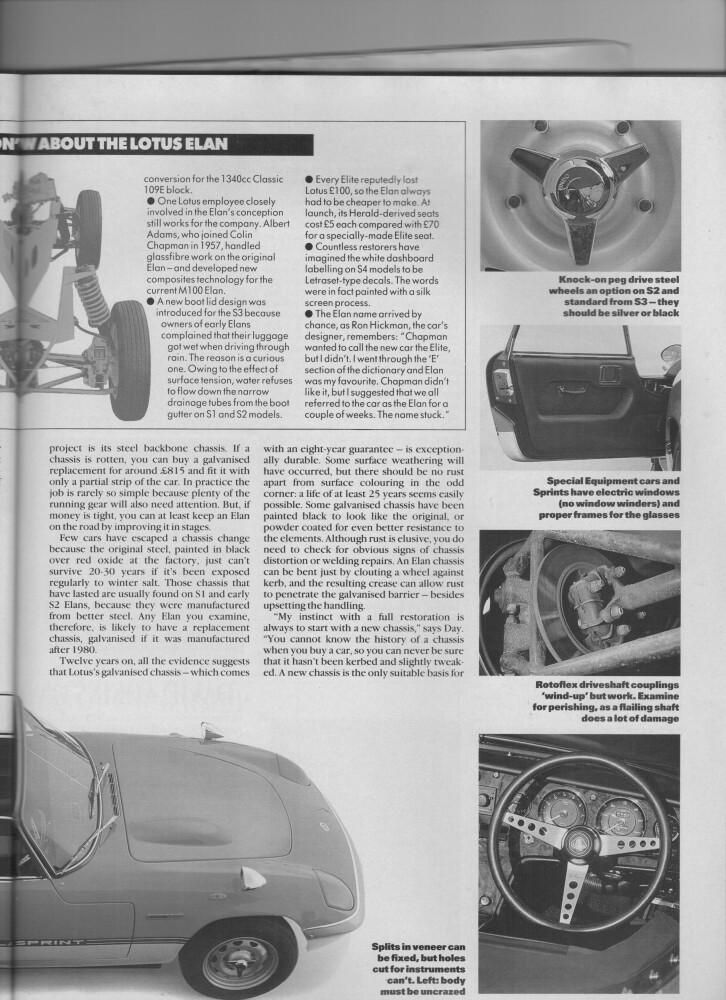
Knock-on peg drive steel wheels option on S2 and standard from S3 — they should be silver or black
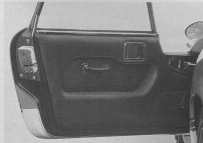
Special Equipment cars and Sprints have electric windows (no window winders) and proper frames for the glasses
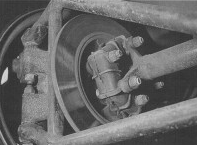
Rotoflex driveshaft couplings ‘wind-up’ but work. Examine for perishing, as a flailing shaft does a lot of damage
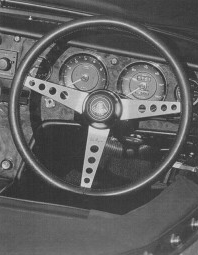
Splits in veneer can be fixed, but holes cut for instruments can’t. Left: body must be uncrased
Backbone anatomy
project is its steel backbone chassis. If a chassis is rotten, you can buy a galvanised replacement for around £815 and fit it with only a partial strip of the car. In practice the job is rarely so simple because plenty of the running gear will also need attention. But, if money is tight, you can at least keep an Elan on the road by improving it in stages.
Few cars have escaped a chassis change because the original steel, painted in black over red oxide at the factory, just can’t survive 20–30 years if it’s been exposed regularly to winter salt. Those chassis that have lasted are usually found on S1 and early S2 Elans, because they were manufactured from better steel. Any Elan you examine, therefore, is likely to have a replacement chassis, galvanised if it was manufactured after 1980.
Twelve years on, all the evidence suggests that Lotus’s galvanised chassis — which comes with an eight-year guarantee — is exceptionally durable. Some surface weathering will have occurred, but there should be no rust apart from surface colouring in the odd corner: a life of at least 25 years seems easily possible. Some galvanised chassis have been painted black to look like the original, or powder coated for even better resistance to the elements. Although rust is elusive, you do need to check for obvious signs of chassis distortion or welding repairs. An Elan chassis can be bent just by clouting a wheel against kerb, and the resulting crease can allow rust to penetrate the galvanised barrier — besides upsetting the handling.
“My instinct with a full restoration is always to start with a new chassis,” says Day. “You cannot know the history of a chassis when you buy a car, so you can never be sure that it hasn’t been kerbed and slightly tweaked. A new chassis is the only suitable basis for a properly restored car in my view, even if the existing chassis was fitted fairly recently.”
Spaceframe replacement chassis, designed primarily for racing, are still found, but their popularity for roadgoing Elans has waned compared with five years ago — a spaceframe can now knock 20 per cent off the car’s value. Suspension modifications like tubular wishbones, designed to accompany a spaceframe, are not a good idea with a Lotus chassis because they push more stresses into it.
The traditional chassis trouble spots which once used to plague Elan buyers are now relevant only if you buy a running car whose original chassis has somehow survived. The chassis towers which locate the suspension at front and rear can corrode severely if their water drain holes have been blocked for years. Ultimately a tower will break completely, with dire results if it happens in the middle of a corner. Apart from assessing the extent of corrosion, look also for welded ‘MoT-pass’ repairs around the towers — bodged remedial work on a Lotus chassis is never sensible because the structure will always be weak. If chassis replacement is not part of your immediate programme, make sure the original chassis really is sound. If there are any doubts, the chassis must be renewed for safety’s sake.
Engine myths
By hearsay, the Lotus twin-cam engine has acquired a tarnished reputation — it’s popularly thought to be prone to oil leaks, water pump failure and timing chain breakage. All this, and more, has happened to twin-cam engines in the past, but the fault lies in poor owner-maintenance and rebuild standards,
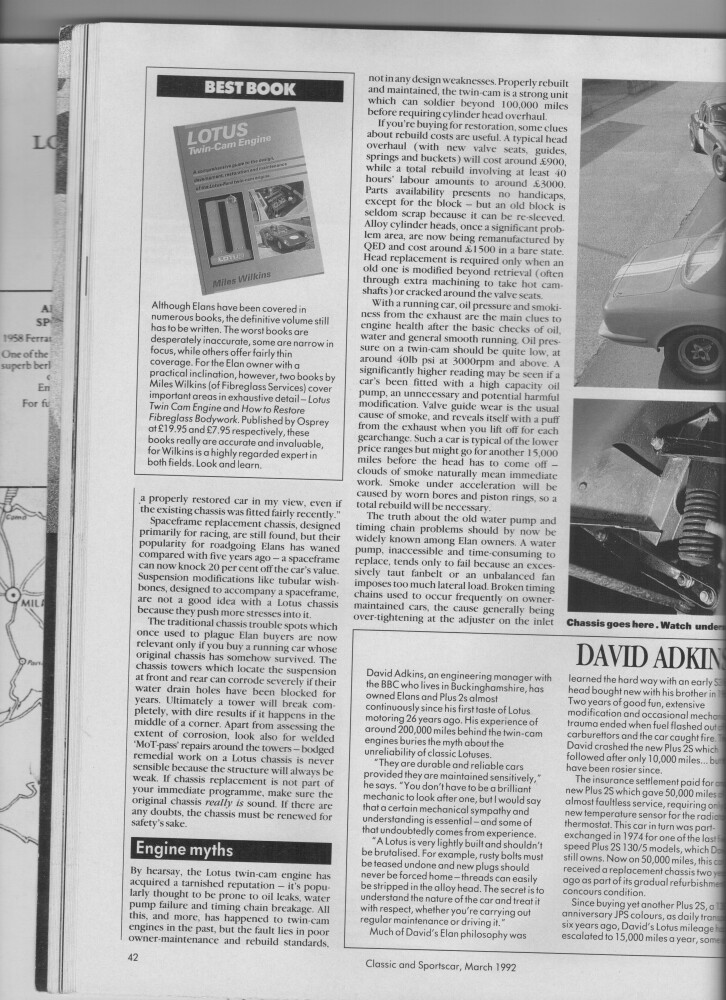
BEST BOOK
Although Elans have been covered in numerous books, the definitive volume still has to be written. The worst books are desperately inaccurate, some are narrow in focus, while others offer fairly thin coverage. For the Elan owner with a practical inclination, however, two books by Miles Wilkins (of Fibreglass Services) cover important areas in exhaustive detail — Lotus Twin Cam Engine and How to Restore Fibreglass Bodywork. Published by Osprey at £19.95 and £7.95 respectively, these books really are accurate and invaluable, for Wilkins is a highly regarded expert in both fields. Look and learn.
not in any design weaknesses. Properly rebuilt and maintained, the twin-cam is a strong unit which can soldier beyond 100,000 miles before requiring cylinder head overhaul.
If you’re buying for restoration, some clues about rebuild costs are useful. A typical head overhaul (with new valve seats, guides, springs and buckets) will cost around £900, while a total rebuild involving at least 40 hours’ labour amounts to around £3000. Parts availability presents no handicaps, except for the block — but an old block is seldom scrap because it can be re-sleeved. Alloy cylinder heads, once a significant problem area, are now being remanufactured by QED and cost around £1500 in a bare state. Head replacement is required only when an old one is modified beyond retrieval (often through extra machining to take hot camshafts) or cracked around the valve seats.
With a running car, oil pressure and smokiness from the exhaust are the main clues to engine health after the basic checks of oil, water and general smooth running. Oil pressure on a twin-cam should be quite low, at around 40lb psi at 3000rpm and above. A significantly higher reading may be seen if a car’s been fitted with a high capacity oil pump, an unnecessary and potentially harmful modification. Valve guide wear is the usual cause of smoke, and reveals itself as a puff from the exhaust when you lift off for each gearchange. Such a car is typical of the lower price ranges but might go for another 15,000 miles before the head has to come off — clouds of smoke naturally mean immediate work. Smoke under acceleration will be caused by worn bores and piston rings, so a total rebuild will be necessary.
The truth about the old water pump and timing chain problems should by now be widely known among Elan owners. A water pump, inaccessible and time-consuming to replace, tends only to fail because an excessively taut drivebelt or an unbalanced fan imposes too much lateral load. Broken timing chains used to occur frequently on owner-maintained cars, the cause generally being over-tightening at the adjuster on the inlet side of the engine. You can hear the symptoms if the timing chain is out of adjustment: it whines if it’s too tight and chatters if it’s too loose. If the threaded bolt at the side of the cam cover is screwed right in, all adjustment has been taken up and it’s time for a new chain — and possibly a chain damper too. In place of these old bogeys, a common weak area nowadays stems from the use of transistorised ignition: people think they need never look at the distributor again, forgetting that it needs regular oiling.
The twin carburettors on Elans are either by Weber (on most cars), Dell’Orto (some Sprints and late S4s) or Stromberg (early S4s). Strombergs are prone to icing up in cold weather and strangely cause the engine to run hotter, but they don’t detract from the Elan’s appeal, contrary to the popular view. An S4 SE on Strombergs has such good torque that it’s almost as quick as a Sprint.
Your test drive should be long enough to get the car up to working temperature, as Elans frequently run too hot. The reason is usually a silted-up radiator, a problem created by years of internal corrosion in the aluminium head if anti-freeze has not been used all year round. Running temperature should be around 90deg, or 95Cdeg on engines with Strombergs.
Simple running gear
An Elan’s four-speed Ford gearbox is so rugged that it rarely requires more than a set of gaskets, seals and bearings, even on really tired cars — £130 should cover parts and labour. If the gearbox seems noisy, check the gaiter on the lever is not split before you worry about serious internal wear. The rear diff, a Ford unit in a Lotus aluminium casing, gives little trouble apart from worn seals and outward bearings. Replacing the propshaft universal joints is a sensible precaution during any restoration, as they’re difficult to reach when the car is assembled.
The standard, and most suitable, driveshaft arrangement contains Rotoflex couplings — rubber doughnuts reinforced with steel. Any Elan owner should examine the condition of these annually because the rubber perishes and ultimately the coupling breaks up, allowing the driveshaft to flail — except on the pinned centre-lock driveshafts of late Sprints. The famous transmission ‘wind-up’ of Elans is caused by torque reactions in these flexible couplings. To eliminate this trait, many owners have converted their cars to conventional universal joint or sliding spline driveshafts, but most Elan specialists agree that these impose extra stresses which result in reduced wheel bearing and differential life.
So much of the joy of an Elan comes from the way it handles that you need to pay good attention to the suspension, steering and brakes. Make sure the dampers are fit, as the condition of these is crucial to an Elan’s finesse on the road — tired dampers can weaken the chassis towers and the rubber Lotocone mountings at the top of the struts. Look at the state of all suspension bushes and make sure the wishbones are straight — they’re sometimes bent by kerbing or incorrect jacking.
The Elan uses a modified Triumph Herald steering rack with stops to limit wheel lock. Racks can be overhauled and new ones are available, but check that the lock stops are fitted. Where a standard Herald rack has been substituted, the front wheels can rub against the anti-roll bar on full lock. Look again for evidence of damage from a trolley jack: the rack tube might be bent and damaged rack mountings are common.
The brakes, discs of Herald origin at the front and specifically made at the rear, rarely cause problems beyond simple deterioration with age. If a car pulls to one side during braking, the cause is usually a sticking piston — the rear calipers have fairly small pistons which can become clogged with dirt. The popular view is that an Elan handbrake is useless but, in fact, it’s very effective provided adjustments are carried out at the wheels, not at the lever.
If originality is important to you, make sure the wheels are the right colour. No Sprint ever left Lotus with gold wheel centres, but plenty of cars have been restored this way. Only Sprints have black wheels, but Sprints were also delivered with the normal silver finish found on knock-on wheels — these were optional on the S2 and standard from the S3 onwards.
THE CLUB
Run by former Lotus sales director Graham Arnold and his wife Margaret, Club Lotus is the biggest club for the marque. Its lively, but chaotic, quarterly magazine is packed with though news, gossip and practical gen about Lotus old and new to keep you reading avidly for hours — it’s sometimes scurrilous, always fascinating. There is an active social calendar too, topped by the Lotus Festival at Stoneleigh, to be held this year on April 11–12. Regular technical seminars are useful for the budding Elan restorer. The club also has plans to open a Colin Chapman museum, working in conjunction with the Chapman group, and lectures in his memory.
Club Lotus details from PO Box 8, Dereham, Norfolk NR19 1TF (tel: 0362 694459; fax 0362 695522).
Interior
The Elan’s impressive parts availability means that all tatty areas in a car’s interior can be replaced. Missing instruments are the only problem on a restoration project, but carpet, seat vinyl, wooden dashboards, ABS mouldings, switches, steering wheels and gear knobs are all available. That said, the cost of fitting out an incomplete or damaged interior can mount up alarmingly, so weigh up a potential restoration project carefully. If you buy the proverbial box of bits, make a careful inventory of the missing parts.
When buying a restored car, you need to go for originality as well as condition. Although lots of Elans have been modified to varying degrees over the years, the cars with strictly original specification have become the most desirable. Leather seats, a burr walnut dashboard and big loudspeakers in the doors may be to your taste, but non-standard features slice some value off a car these days.
All Elans have a wooden dashboard with grained veneer, the styles ranging from the cheap-looking oiled teak in the S1 to the luxurious lacquered finish of an S4. A dashboard with splits in the veneer can be salvaged, but pressing new veneer and obtaining the correct stain prior to lacquering are difficult to accomplish at home. A dashboard which has had holes cut for extra instruments and switches would have to be replaced if you want your car to look standard; a look at the spaghetti junction of wiring behind the panel will show how lengthy this job is.
Carpets are typically threadbare and damp on an unrestored convertible, but they’re easily replaced. Apart from the hound areas in the footwell, the carpets have bare edges and just require careful fitting. Wear and tear in the pedal area, where it’s tight around your feet, is a good guide to how hard a car has been used over the years — and whether the mileage could be false. S1s and S2s left the factory with rubber mats on the floor, but plenty of cars now have carpets.
Seats can help you judge the quality of a restoration, partly because they’re so visible.
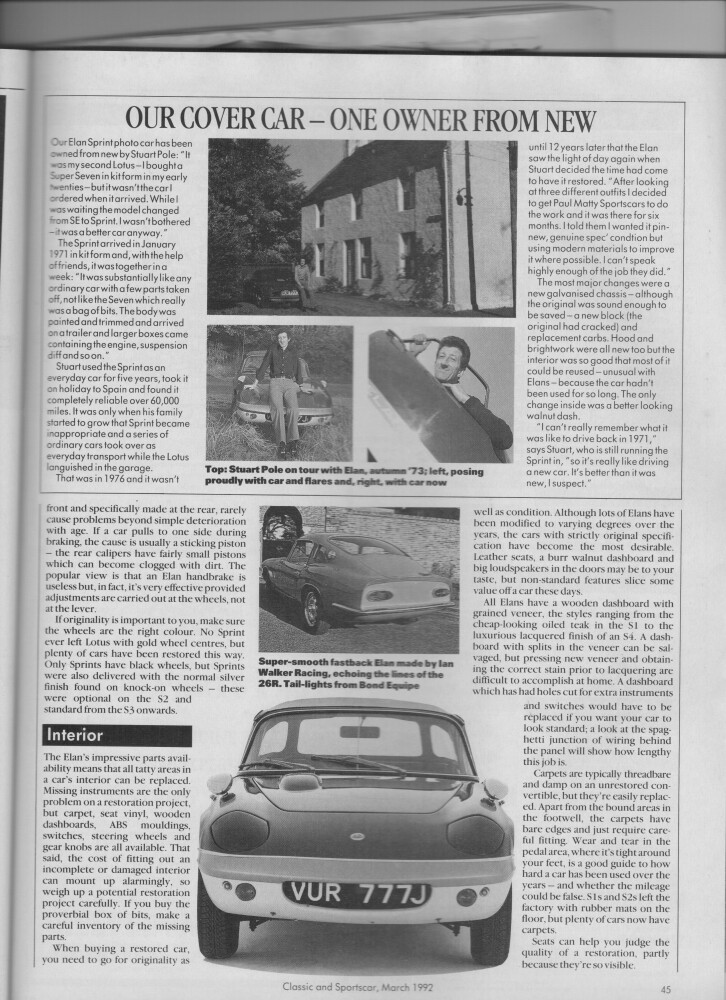
OUR COVER CAR — ONE OWNER FROM NEW
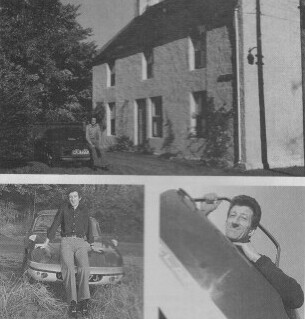
Top: Stuart Pole on tour with Elan, autumn '73; left, posing proudly with car and flares and, right, with car now
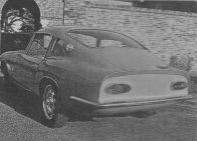
Super-smooth fastback Elan made by Ian Walker Racing, echoing the lines of the 26R. Tail-lights from Bond Equipe
Our Elan Sprint photo car has been owned from new by Stuart Pole: “It was my second Lotus — I bought a Super Seven in kit form in my early twenties — but it wasn’t the car I ordered when it arrived. While I was waiting the model changed from SE to Sprint. I wasn’t bothered — it was a better car anyway.”
The Sprint arrived in January 1971 in kit form and, with the help of friends, it was together in a week: “It was substantially like any ordinary car with a few parts taken off, not like the Seven which really was a bag of bits. The body was painted and trimmed and arrived on a trailer and larger boxes came containing the engine, suspension diff and so on.”
Stuart used the Sprint as an everyday car for five years, took it on holiday to Spain and found it completely reliable over 60,000 miles. It was only when his family started to grow that Sprint became inappropriate and a series of ordinary cars took over as everyday transport while the Lotus languished in the garage.
That was in 1976 and it wasn’t until 12 years later that the Elan saw the light of day again when Stuart decided the time had come to have it restored. “After looking at three different outfits I decided to get Paul Matty Sportscars to do the work and it was there for six months. I told them I wanted it pin-new, genuine spec’ condition but using modern materials to improve it where possible. I can’t speak highly enough of the job they did.”
The most major changes were a new galvanised chassis — although the original was sound enough to be saved — a new block (the original had cracked) and replacement carbs. Hood and interior was so good that most of it could be reused — unusual with Elans — because the car hadn’t been used for so long. The only change inside was a better looking walnut dash.
“I can’t really remember what it was like to drive back in 1971,” says Stuart, who is still running the Sprint in, “so it’s really like driving a new car. It’s better than it was new, I suspect.”
2 YEARS OF OWNERSHIP
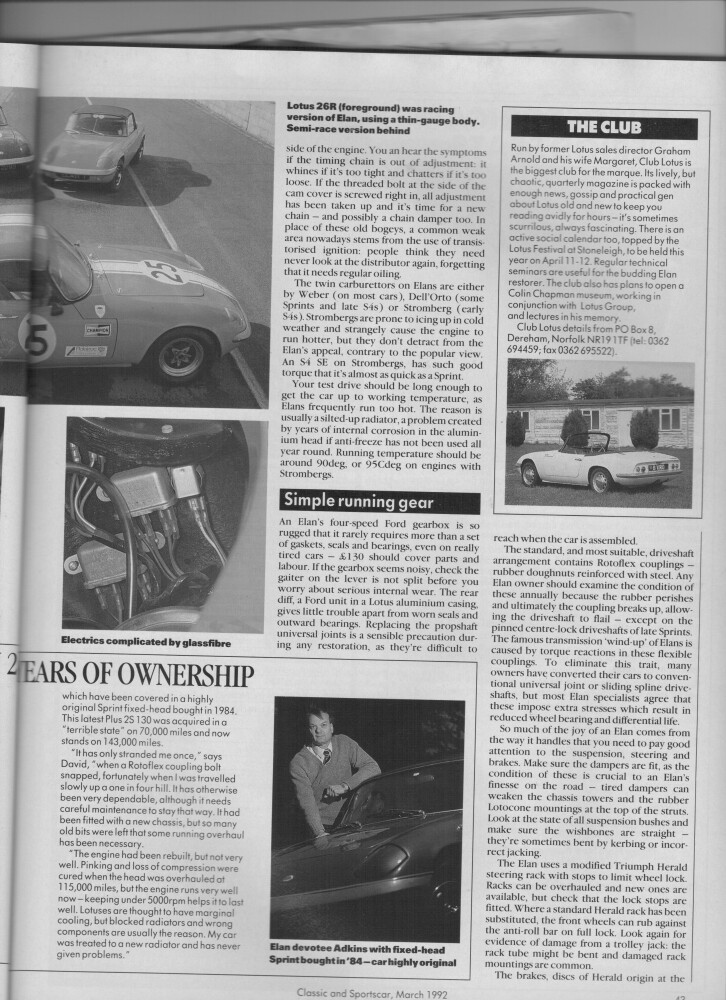
Elan devotee Adkins with fixed-head Sprint bought in '84 — car highly original
…which have been covered in a highly original Sprint fixed-head bought in 1984. This latest Plus 2S 130 was acquired in a “terrible state” on 70,000 miles and now stands on 143,000 miles.
“It has only stranded me once,” says David, "when a Rotoflex coupling bolt snapped, fortunately when I was travelling slowly up a one in four hill. It has otherwise been very dependable, although it needs careful maintenance to stay that way. It had been fitted with a new chassis, but so many old bits were left that some running overhaul has been necessary.
“The engine had been rebuilt, but not very well. Pinking and loss of compression were cured when the head was overhauled at 115,000 miles, but the engine runs very well now — keeping under 5000rpm helps it to last well. Lotuses are thought to have marginal cooling, but blocked radiators and wrong components are usually the reason. My car was treated to a new radiator and has never given problems.”
David Adkins, an engineering manager with the BBC who lives in Buckinghamshire, has owned Elans and Plus 2s almost continuously since his first taste of Lotus motoring 26 years ago. His experience of around 200,000 miles behind the twin-cam engine buries the myth about the unreliability of classic Lotuses.
“They are durable and reliable cars provided they are maintained sensitively,” he says. "You don’t have to be a brilliant mechanic to look after one, but I would say that a certain mechanical sympathy and understanding is essential — and some of that undoubtedly comes from experience.
“A Lotus is very lightly built and shouldn’t be brutally used. For example, rusty bolts must never be forced home — threads can easily be stripped in the alloy head. The secret is to understand the nature of the car and treat it with respect, whether you’re carrying out regular maintenance or driving it.”
Much of David’s Elan philosophy was learned the hard way with an early S1 fixed-head bought new with his brother in 1966. Two years of good fun, extensive modification and occasional mechanical trauma ended when fuel flashed out of the carburettors and the car caught fire. Worried by a thermostat, this car in turn was part-exchanged in 1974 for one of the last-of-the-line speed Plus 2S 130/5 models, which David still owns. Now on 50,000 miles, this car received a replacement chassis two years ago as part of its gradual refurbishment to concours condition.
Since buying yet another Plus 2S, a 25th anniversary JPS colours, as daily transport six years ago, David’s Lotus mileage has escalated to 15,000 miles a year, sometimes more.
Notes
No footnotes or endnotes present in the source article.
Copyright by Classic & Sportscar, Vol. 10 No. 12, March 1992
COPYRIGHT NOTICE: This article is reproduced for non-commercial historical preservation purposes only. Copyright remains with the original publisher. If you are the rights holder and have questions or concerns about this content, please visit our Copyright and Historical Preservation Policy and contact us. We will respond within 24 business hours and will remove or restrict the content promptly upon a valid request.