SENSORS:
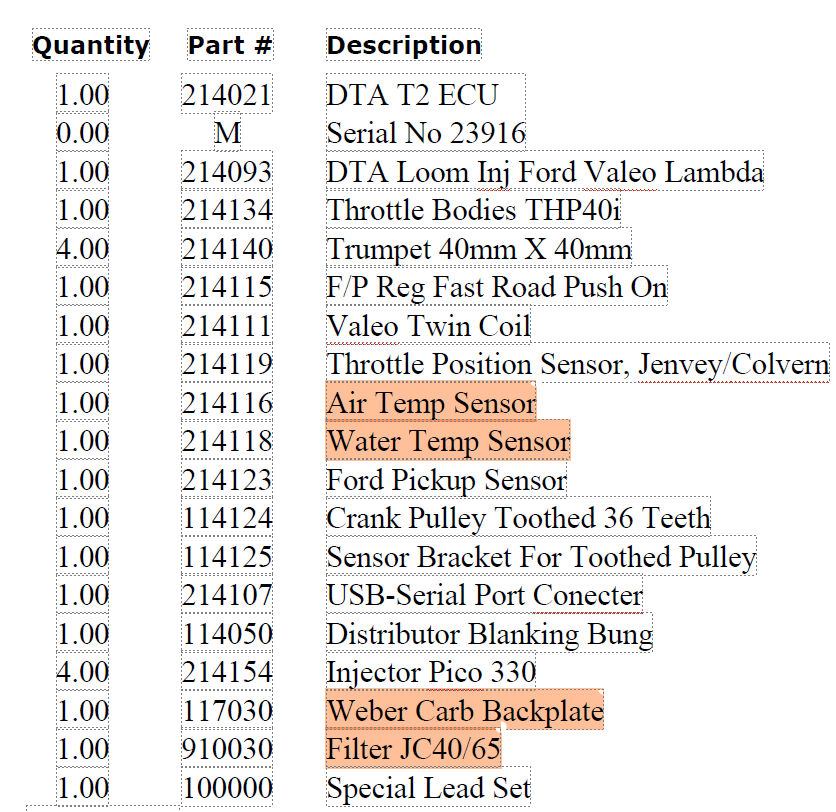
The kit that QED sells relies on a number of sensors to provide data to the ECU to allow it to correctly coordinate ignition and fuel injection functions. These are:
- The Crank Sensor:
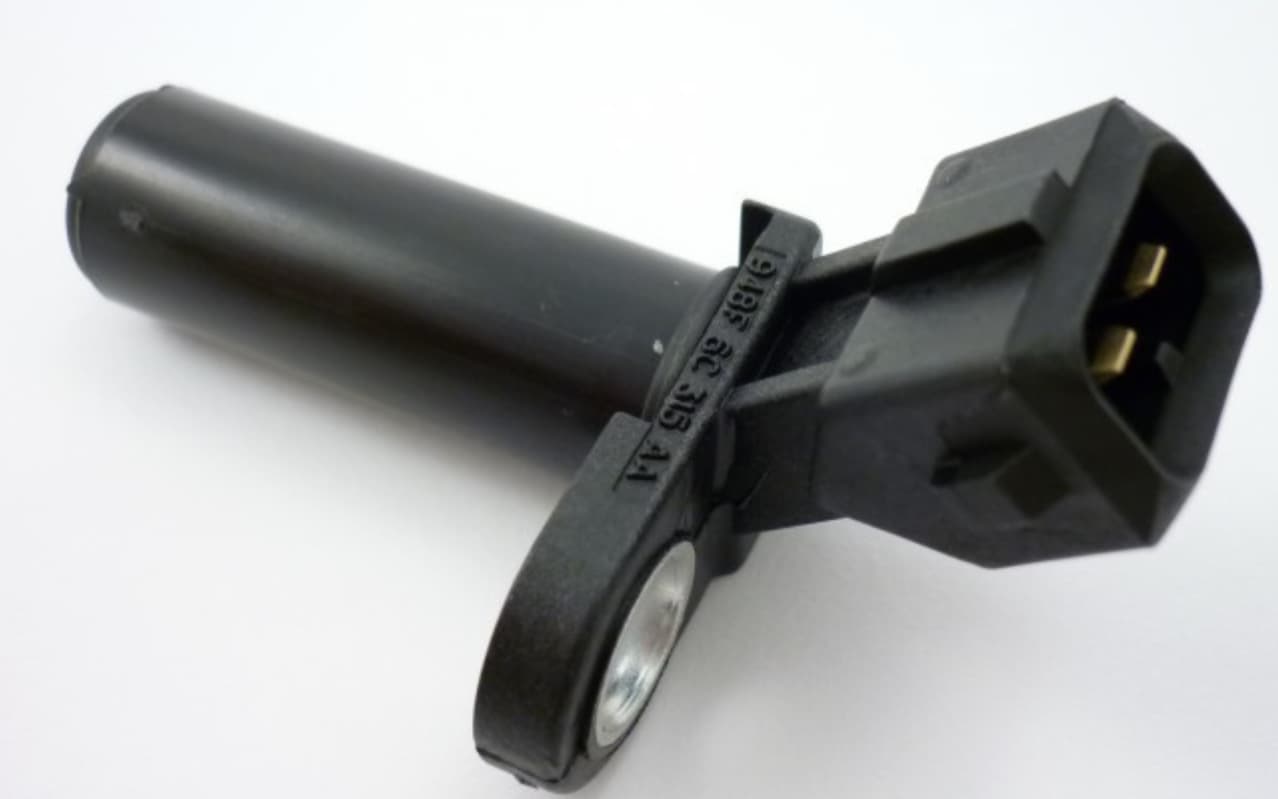
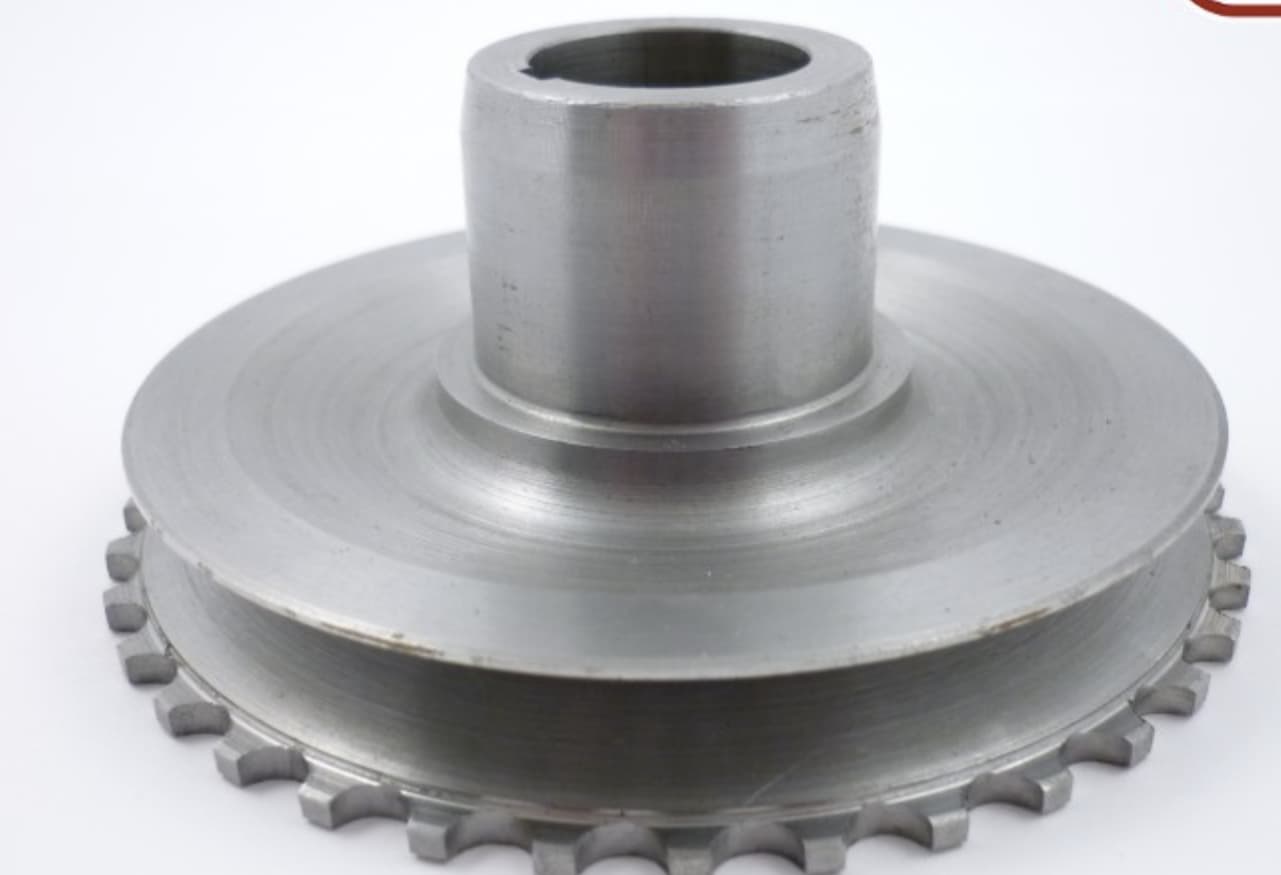
This provides perhaps the most important information for the ECU continuously telling it the position of the crank when the engine is running. This allows the ECU to understand when each piston is approaching its firing position so that fuel can be injected and spark applied. In the QED system the Crank sensor is combined with a new crank pulley which includes 36 machined teeth.
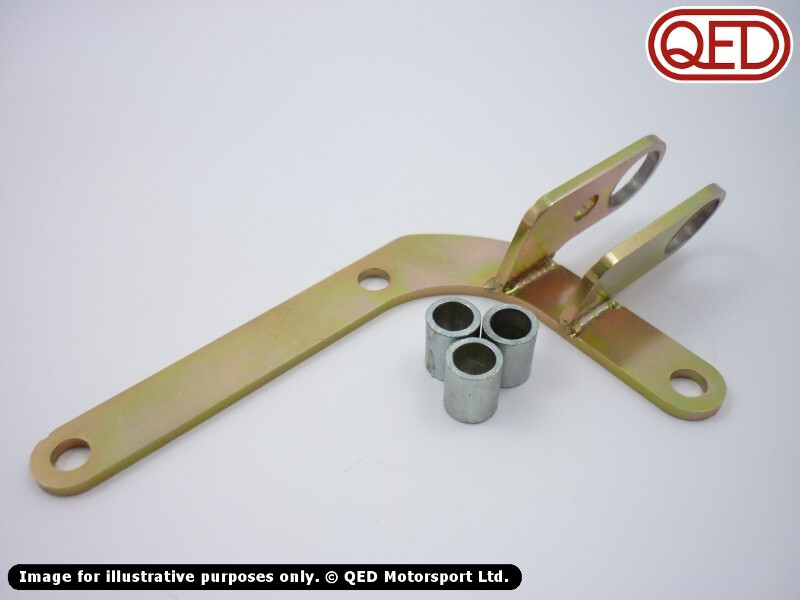
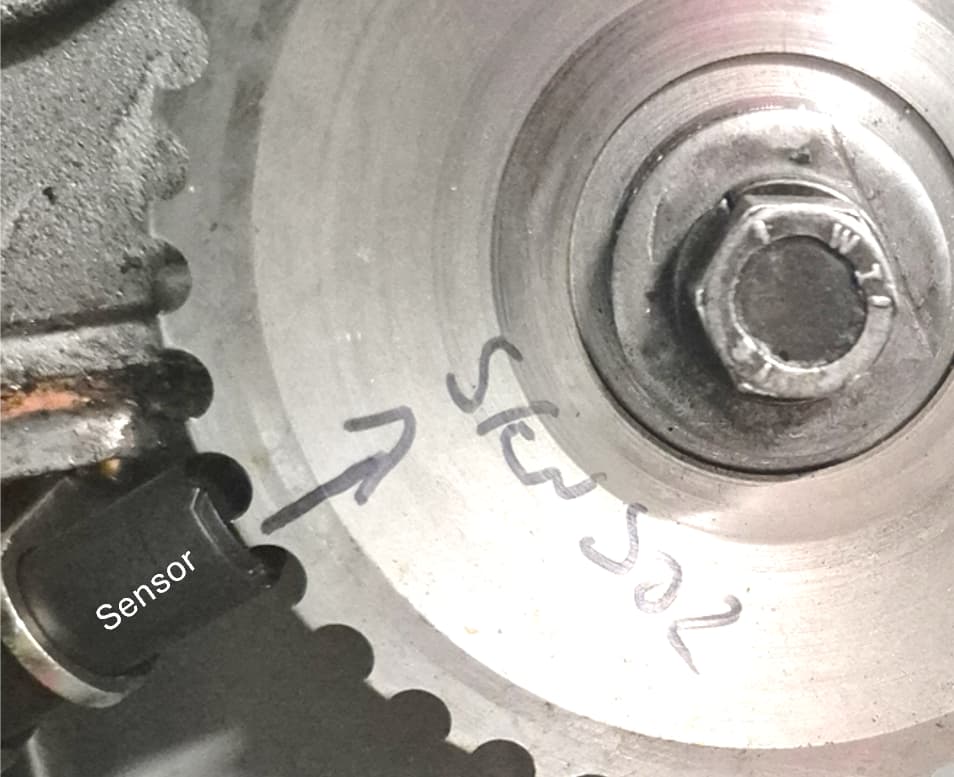
The movement of these teeth past the sensor as the engine rotates creates and regular pulse which provides information on the speed the engine is running. To provide position information for the crank one of the 36 teeth is removed and the position of that missing tooth with respect to the crank position is entered into the ECU software. In my case I used the mounting for the sensor supplied by QED.
(Interestingly my bracket did not include the spacers.. this might have made it easier to mount?)
I removed the tooth that was adjacent to the tooth that lined up with the TDC mark on the engine. This meant that the tooth would pass the sensor 155 degrees before TDC. According to DTA, the ECU manufacturer it is useful that this is before TDC as I allows the ECU time to calculate optimum spark and injection before TDC is reached. I measured this offset using protractor which I created and printed out using protractor creation tool online (who’d have thought this would have exist). The mounting for the crank sensor is attached by some of the sump bolts. It looks like a nice bracket but I had to grind the mounting so it sat correctly on the sump flange. It is also important that the gap between the sensor and pulley is optimum. I checked the internet and it suggests between 0.5 and 1.5mm. I set mine to 1mm. Again although the bracket looks good you have to rig your own bolt and nut arrangement to adjust this (see photo). Once this is set up and when the ECU is wired and powered up you can use the oscilloscope function in the ECU software to check the signal from the sensor when you crank the engine. It will also tell you how many teeth on the pulley and how many are missing and even attempt to calculate the offset angle of the sensor.. nice
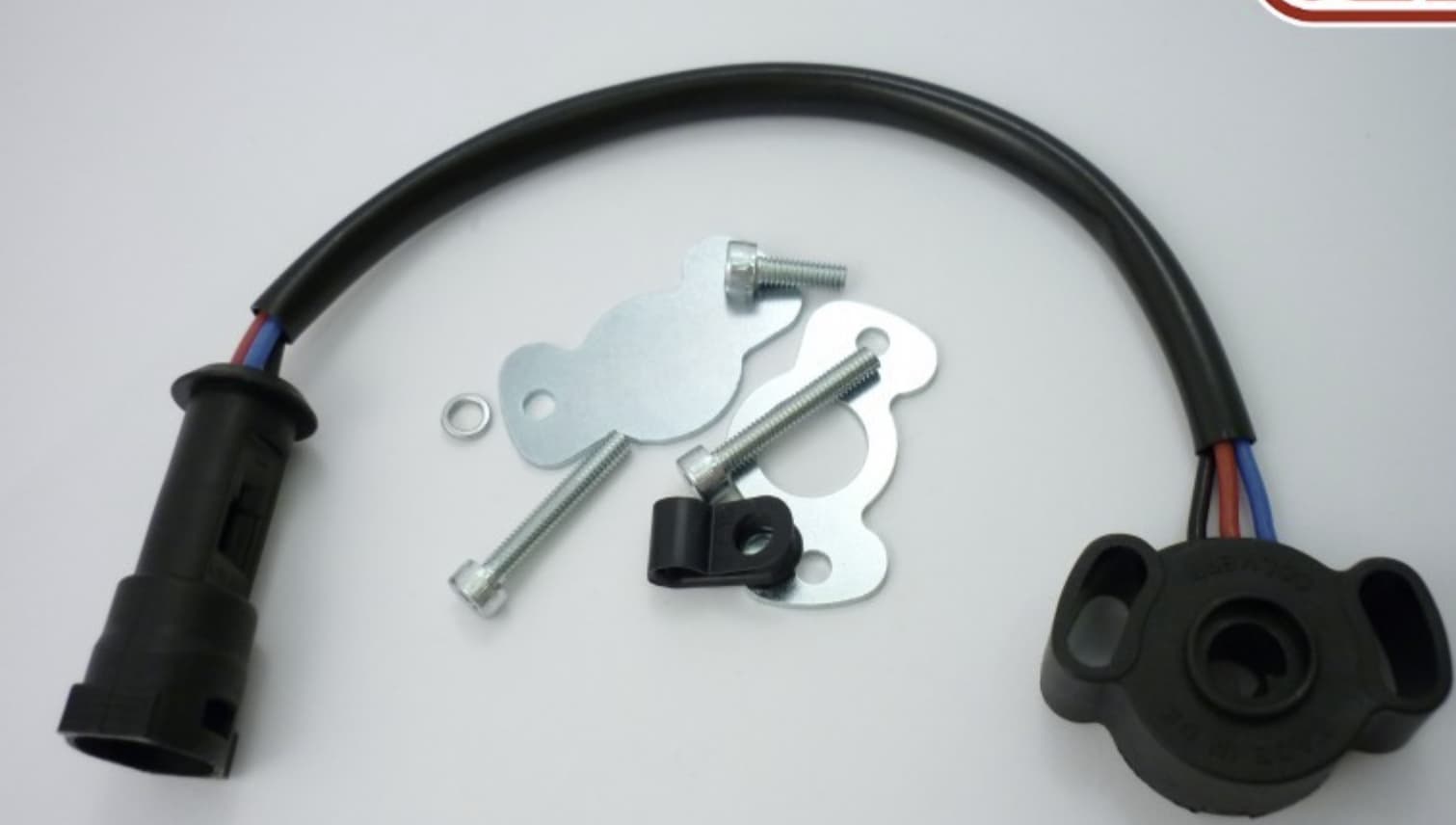
- Throttle position sensor (TPS):
This (as it says) measures the position of the throttle plates and is an essential data stream used by the ECU for calculating the correct fueling. QED supply a TPS which simply bolts onto the side of the throttle bodies. It can be fitted on either end of the throttle body assembly. I chose to place it at the back of the engine to simplify wiring. Again you can check its functioning by watching the TPS trace on the ECU software when you press the throttle. Once the engine is set up you also need to tell the ECU what closed and 100% open throttle looks like. This is done in the software by backing off the throttle stop and setting closed throttle (0% TPS) and then fully opening the throttles and setting open throttle (100% TPS). The TPS used by QED is actually supported specifically by the DTA ECU and the defaults were pretty much spot on for this. But probably best to set it yourself.
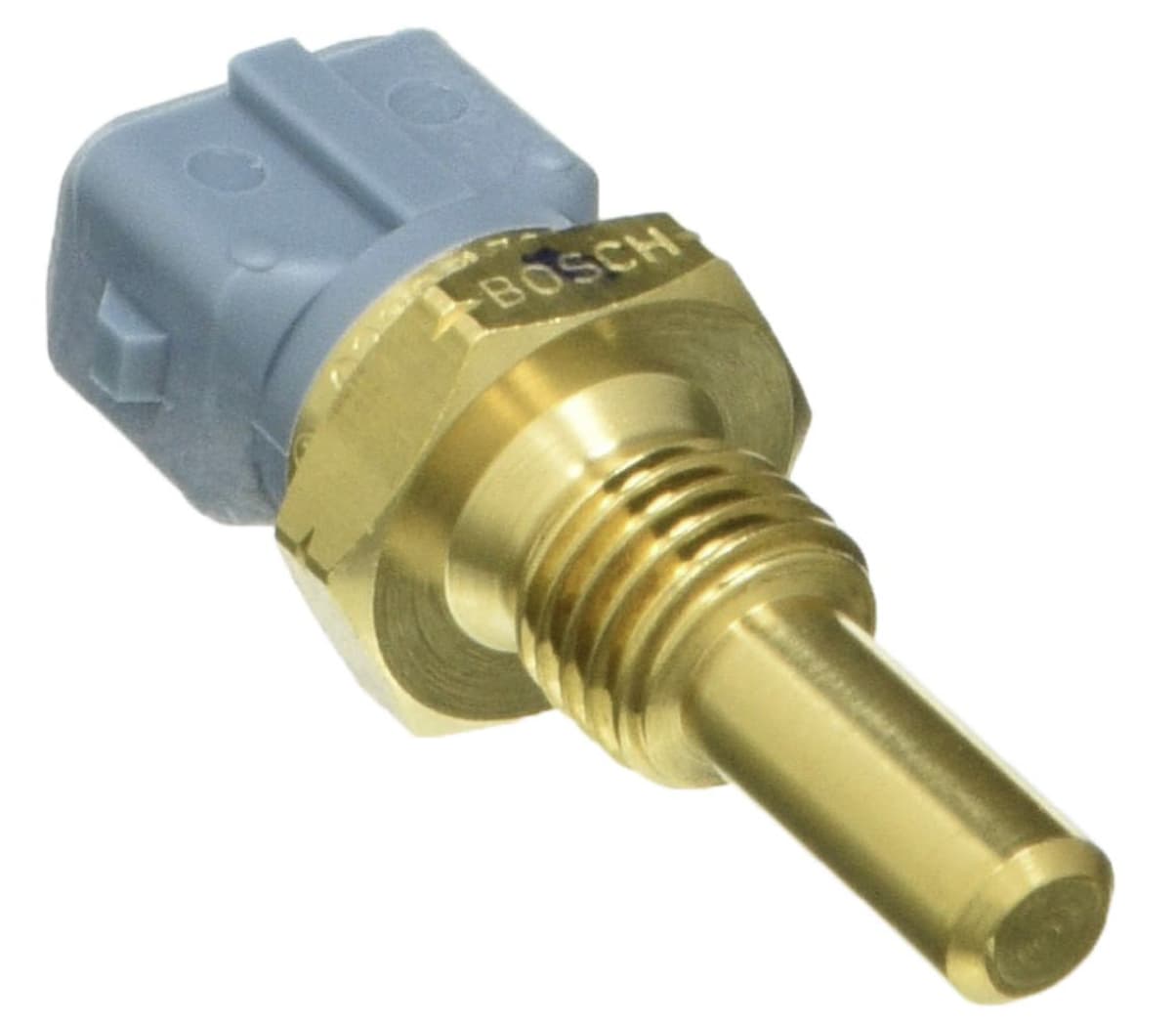
- Coolant Temperature sensor:
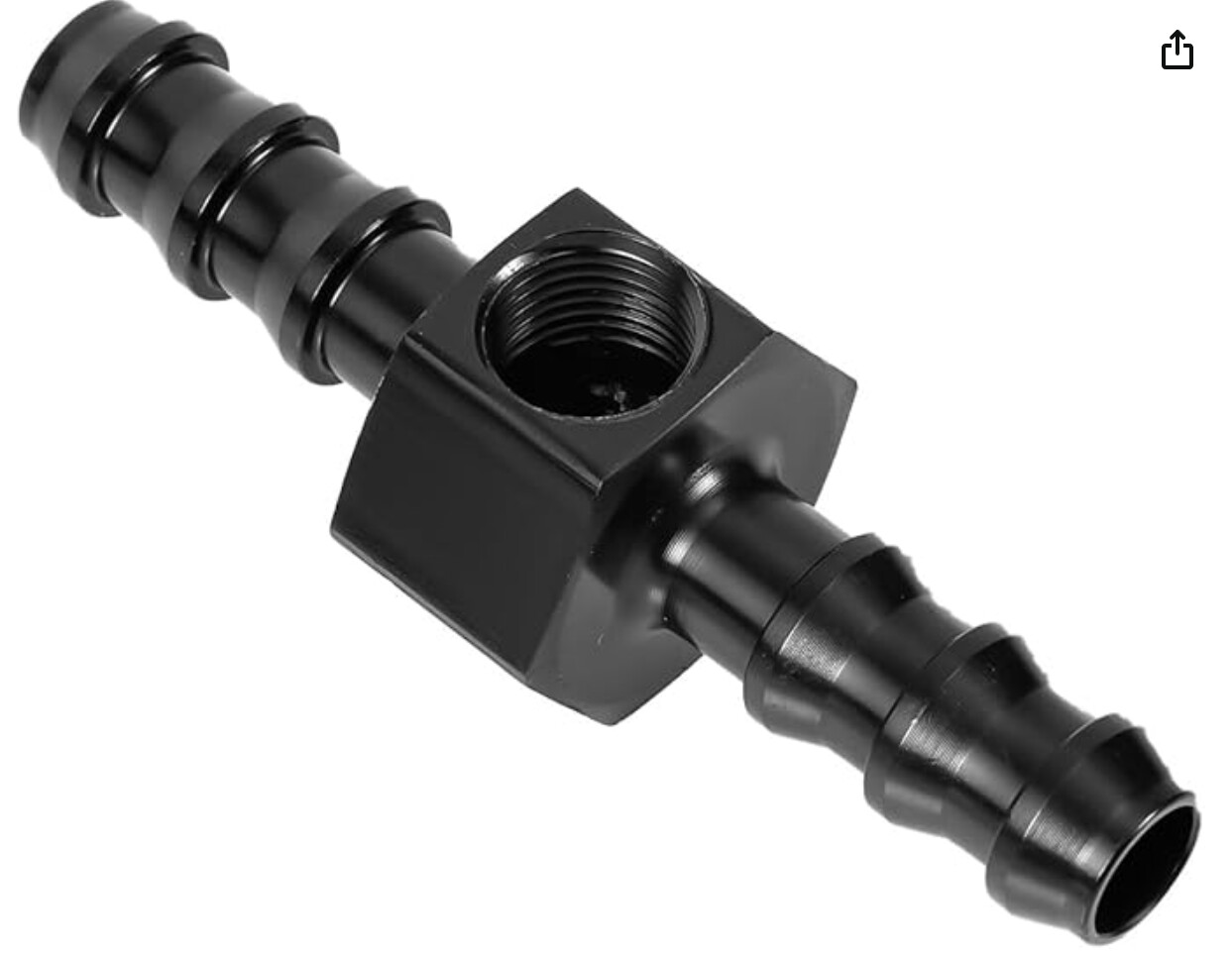
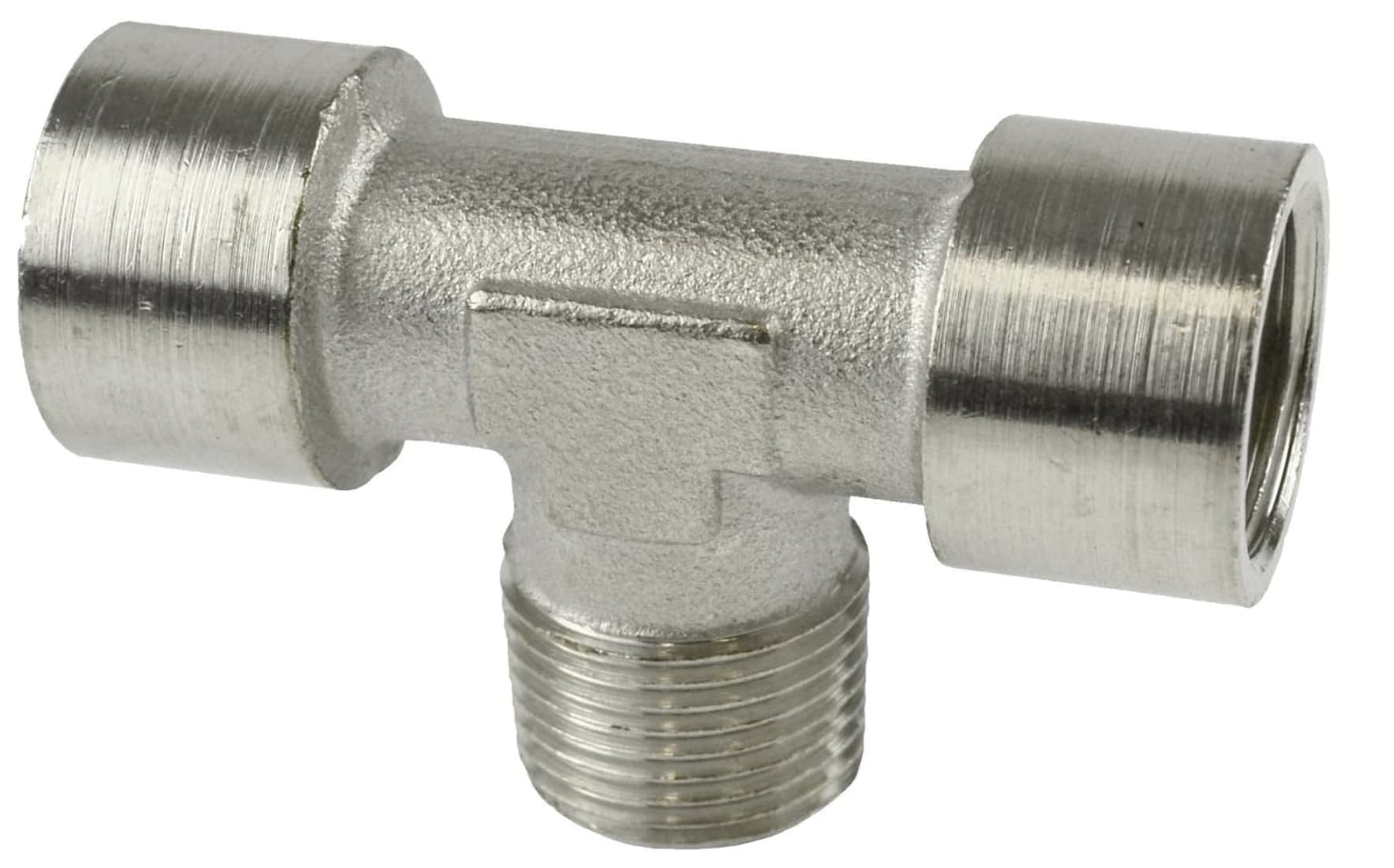
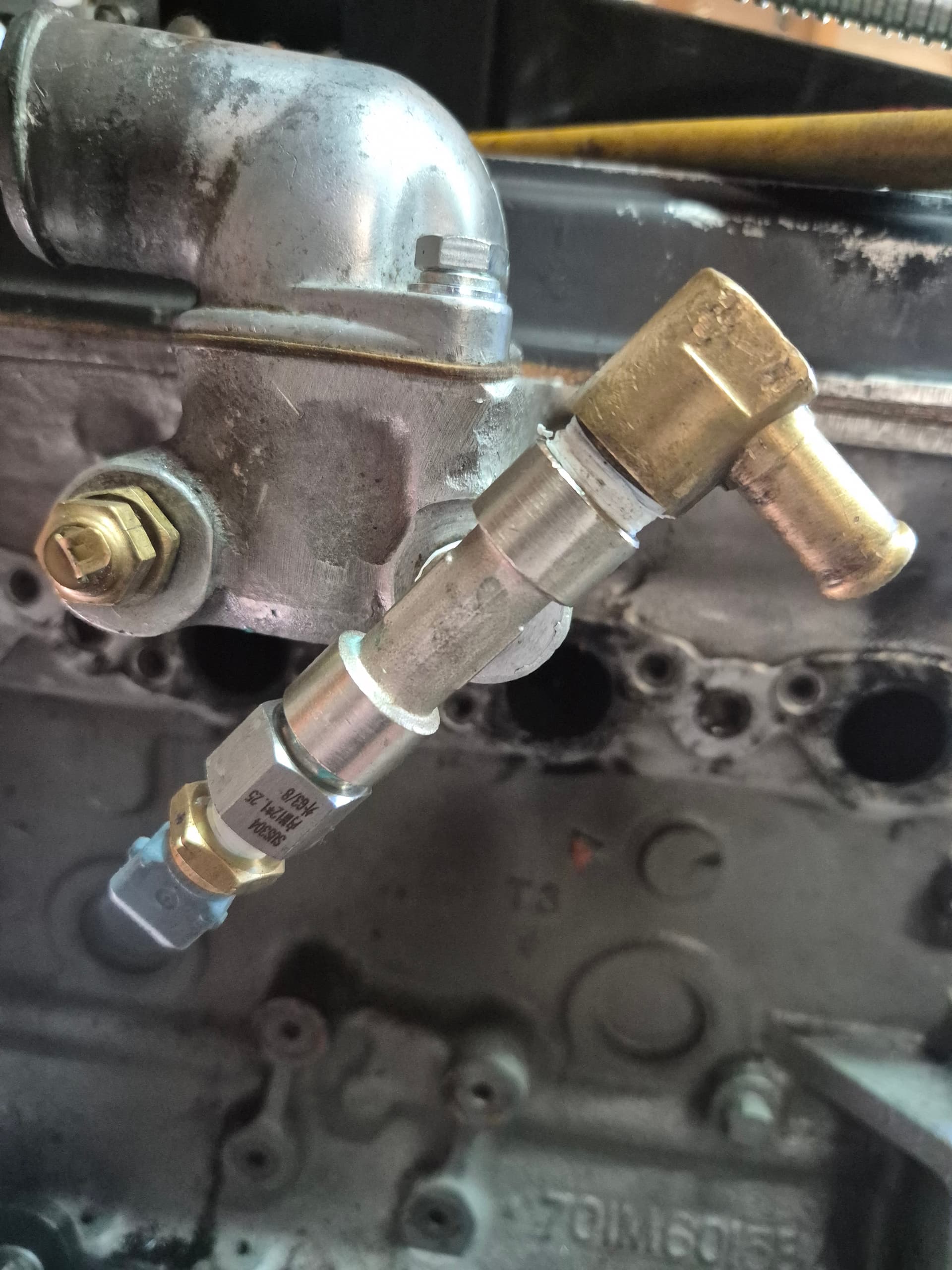
This (again as it says) measures the coolant temperature sensor. This is important information for the ECU (although not essential) which allows it to take into account engine temperature when calculating fueling and ignition. Perhaps the most important example of this use is at start up. The ECU does not have a choke cable so when the engine is cold it has to add some extra fuel. The sensor tells it just how cold. This means, unlike carbs, it can add more fuel if it is a mid-winter start and less when it is a mid-summer start. The data from the sensor can also be used to turn of the car if it overheats and perhaps more usefully can use it to control the rad fan. For this latter use you need to wire the ECU to the fan using a relay (the ECU will be damaged if it has to handle the current from the fan). The ECU should be wired into the ground side of the relay as it grounds its output when the temperature for turning on the fan is reached. It does not supply 12V to the relay. This is all useful stuff, but there are 2 issues with adding the sensor to the lotus engine. Firstly although the sensor supplied by QED will work it is not one of the presets for the ECU so you would have to calibrate it which would mean measuring it’s response to a range of temperatures from 0 to at least 120 degrees Celsius.. not fun. So I swapped it out for an equivalent Bosch sensor which is a preset (Bosch 0280130026 from Amazon). The second issue is that the Lotus Twincam does not have a designated place to put a modern temp sensor with a M12 thread. So I had to do some more plumbing. The natural place for the sensor is in the thermostat housing where the temp gauge sender is but I wanted to retain this. So instead it added a T-peice to the heater feed port. This is a single 3/8 " BSP male with 2 X 3/8" BSP Female from Amazon (Now I suspect the port in the thermostat is actuallt a tapered thread so should be 3/8 " BSPT but I could not find a T peice with this).
Into one female port I screwed the heater connection (Again I suspect this is actually BSPT).
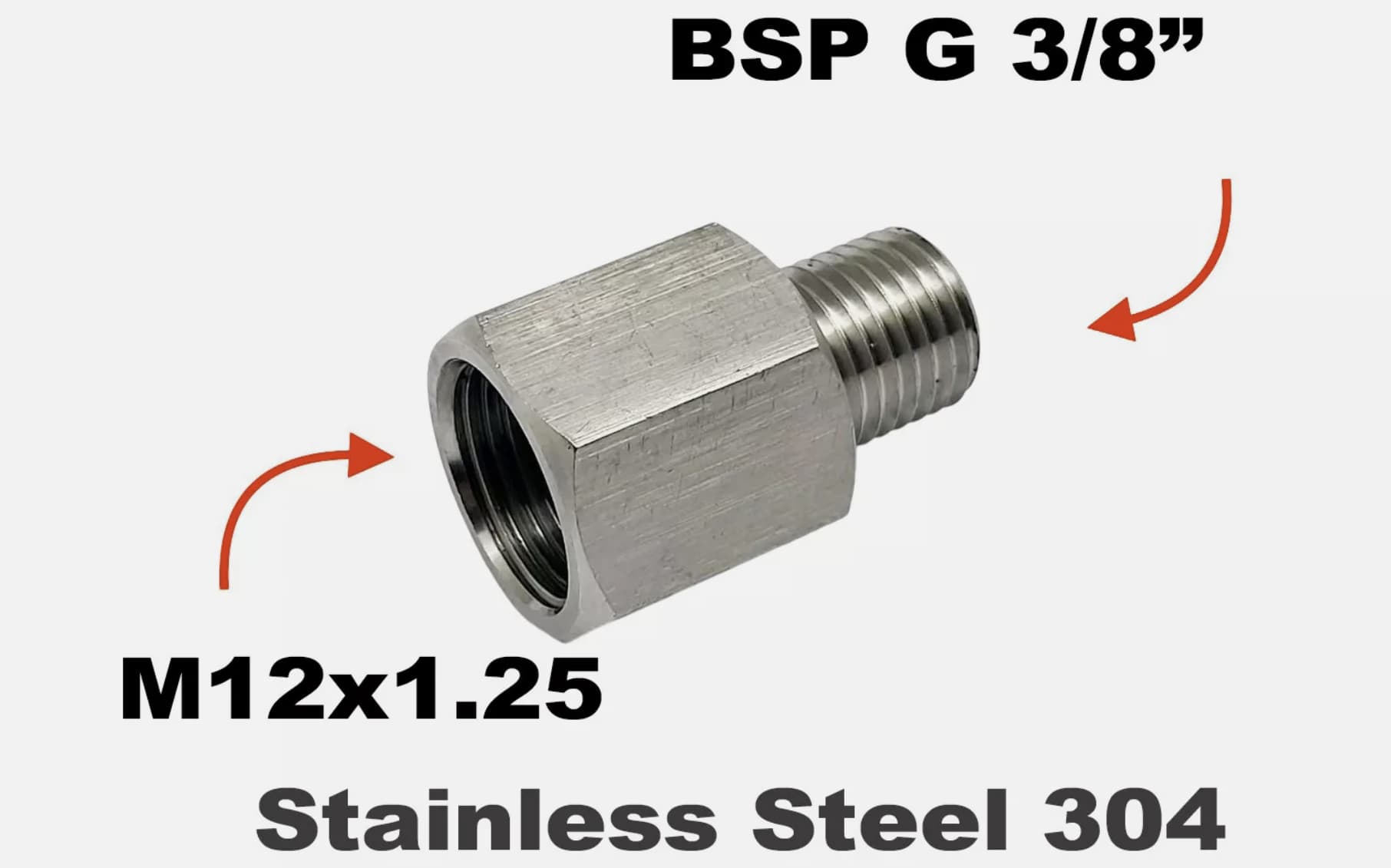
Into the other female port I screwed a 3/8 " BSP to M12 adapter which I found on Ebay.
This fitting worked but needed drilling out to allow the sensor tip to fit.
Air Temperature sensor:
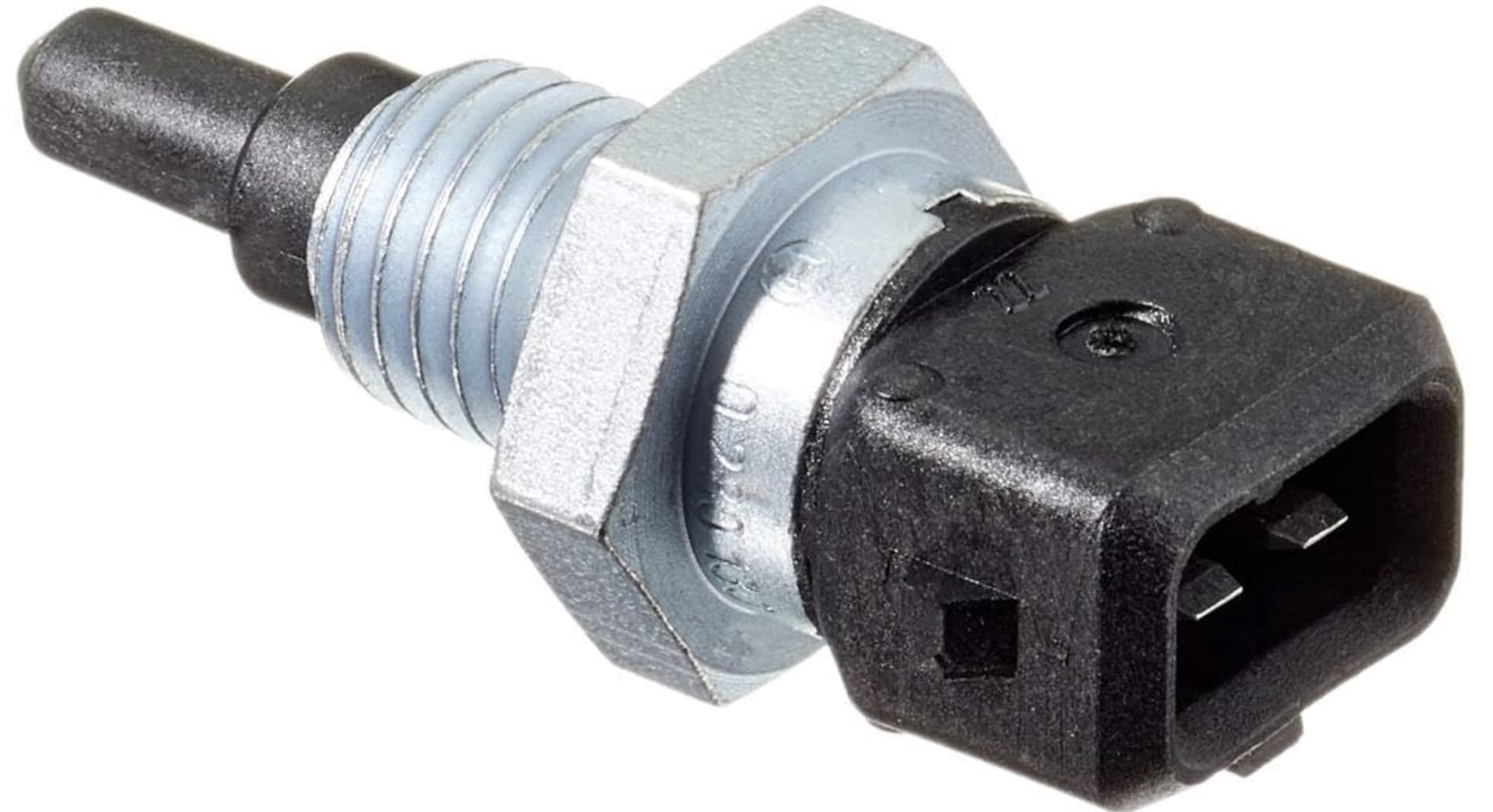
An air temp sensor is also used to help the ECU calculate the correct amount of fuel. This sits in the airbox measuring the temp of the air entering the engine. It uses Boyles Law to calculate the density of the air entering the engine. Hot air is less dense so less fuel is required. Again I tossed the QED sensor as it was not a preset for the ECU and replaced it with Bosch 0 280 130 039 again from Amazon. I mounted this by drilling a hole in the airbox and using an M12 nut to secure the sensor.
Air:fuel Ratio Sensor (optional):
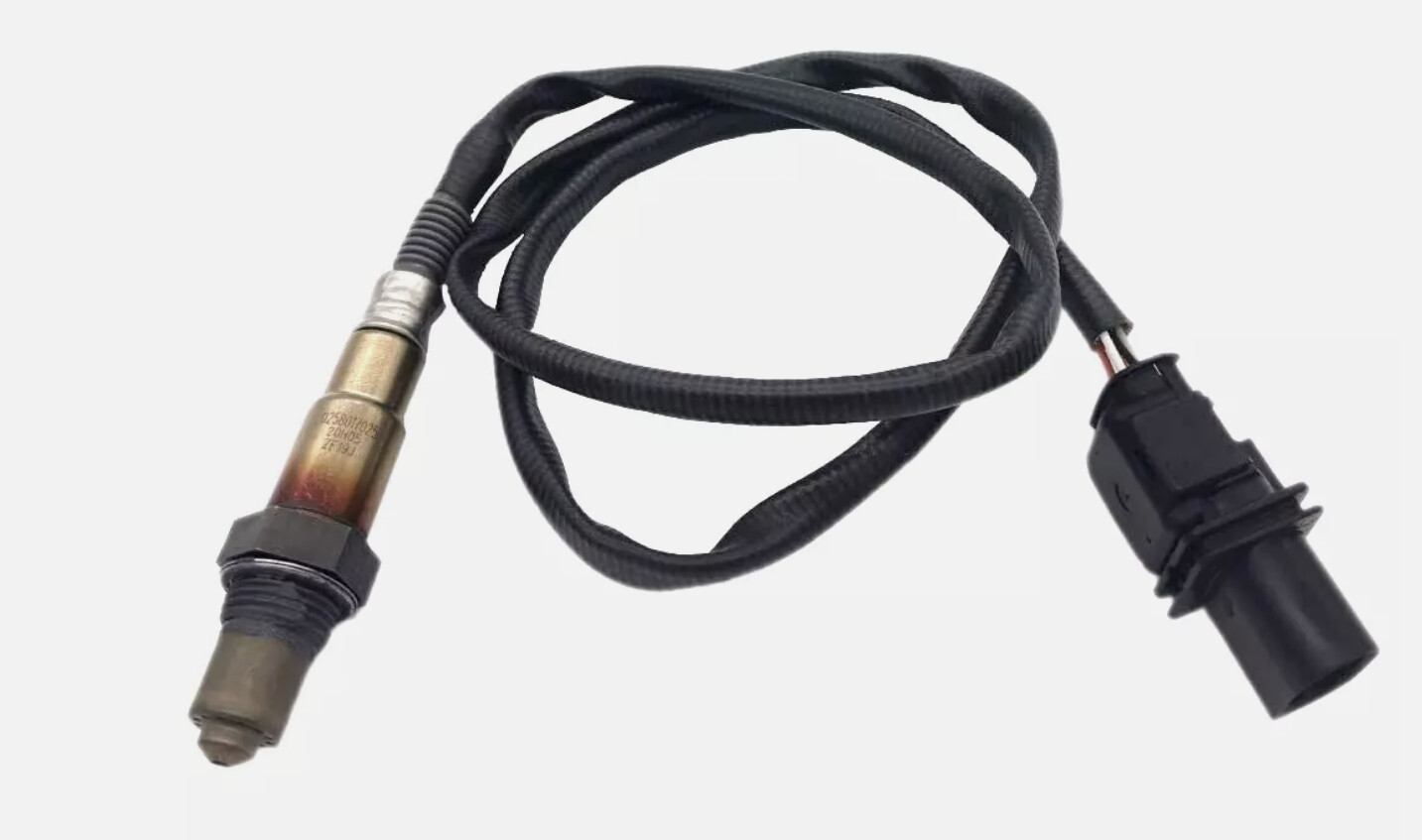
A key way of checking whether an engine is running optimally is to monitor if all the fuel is being burnt. One way to do this is to use an Air:fuel ratio meter (sometimes called a lambda sensor) mounted in the exhaust system. This sensor either returns the Air:fuel ratio the engine is running at, 14.7:1 being the optimal for efficiency and closer to 12:1 for optimal performance or Lambda with a value of 1.0 being equivalent to 14.7:1. This data can be used by the ECU and the person tuning the car to check the mixture and is very helpful in developing the ECU map. It is 100% better than other gadgets like colourtune and plug colour. It is also a real time continuous measurement. You can run the ECU without this and if you map is spot on you’ll be fine. But it is useful to have one for 2 reasons: firstly for tuning and seconly because the ECU can use this data to help with idle mixture optimisation.
I chose to have one which meant I had to order a sub-loom from DTA which had to be added to the main plug going into the ECU. They have a handy youtube to show you how to do this.
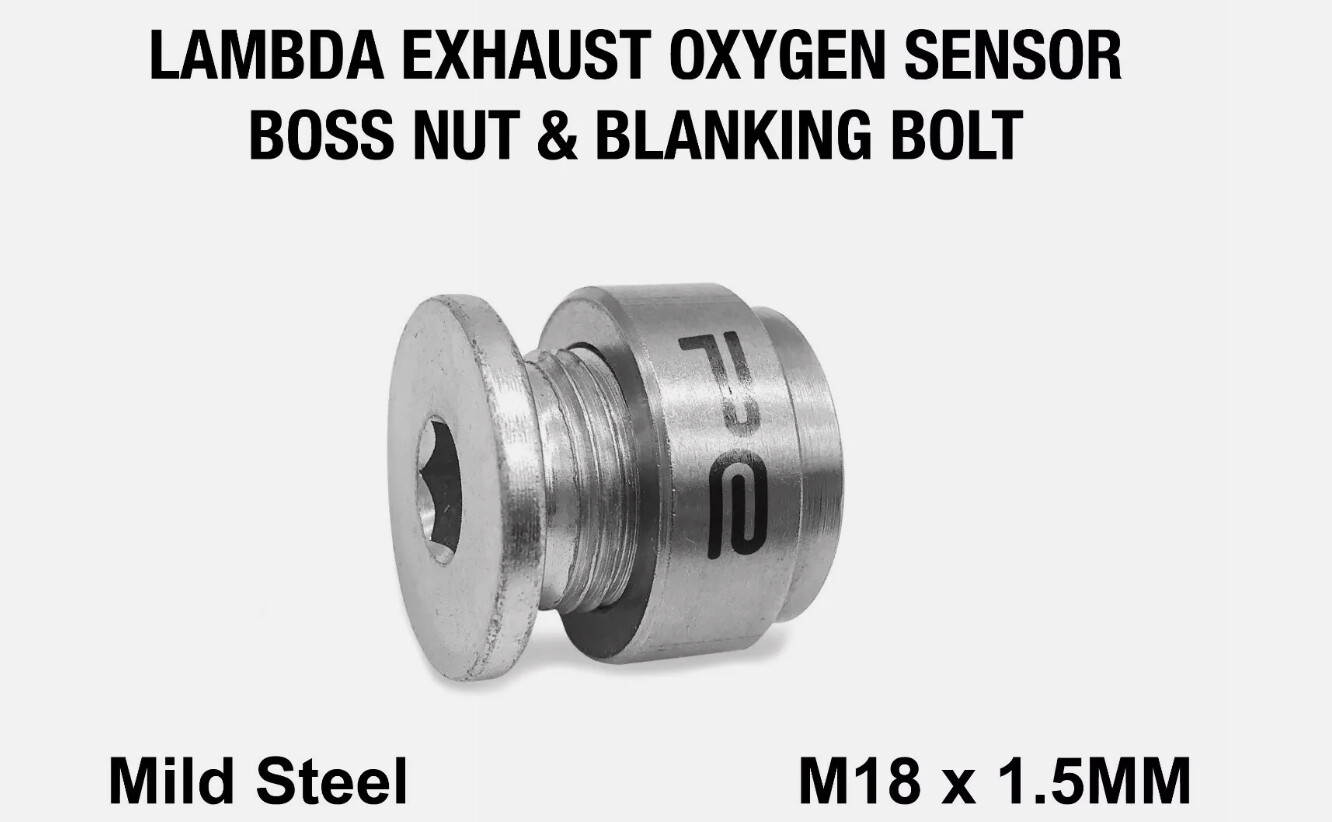
I then had to weld a Lambda probe boss into the exhaust.
I placed this downstream of the Y section of the exhaust so it sensed both pairs of cylinders and then it is just a case of wiring it in (Which requires you to wire a power supply for the sensor into a switched 12V (I used the redundant 12V coil supply) as well as the connections to the ECU.
Once all these sensors are installed and plugged into the ECU you can check they are working using the ECU diagnostics system. The only one you cannot check (as far as I can see) until the engine is running is the AFR as it seems to be programmed not to turn on until 10 seconds after the engine starts.. something to do with protecting the sensor.