Elan Sprint: The Latest Lotus Position
Camelot Revisited / By John Christy
Motor Trend, January 1972
Road Test
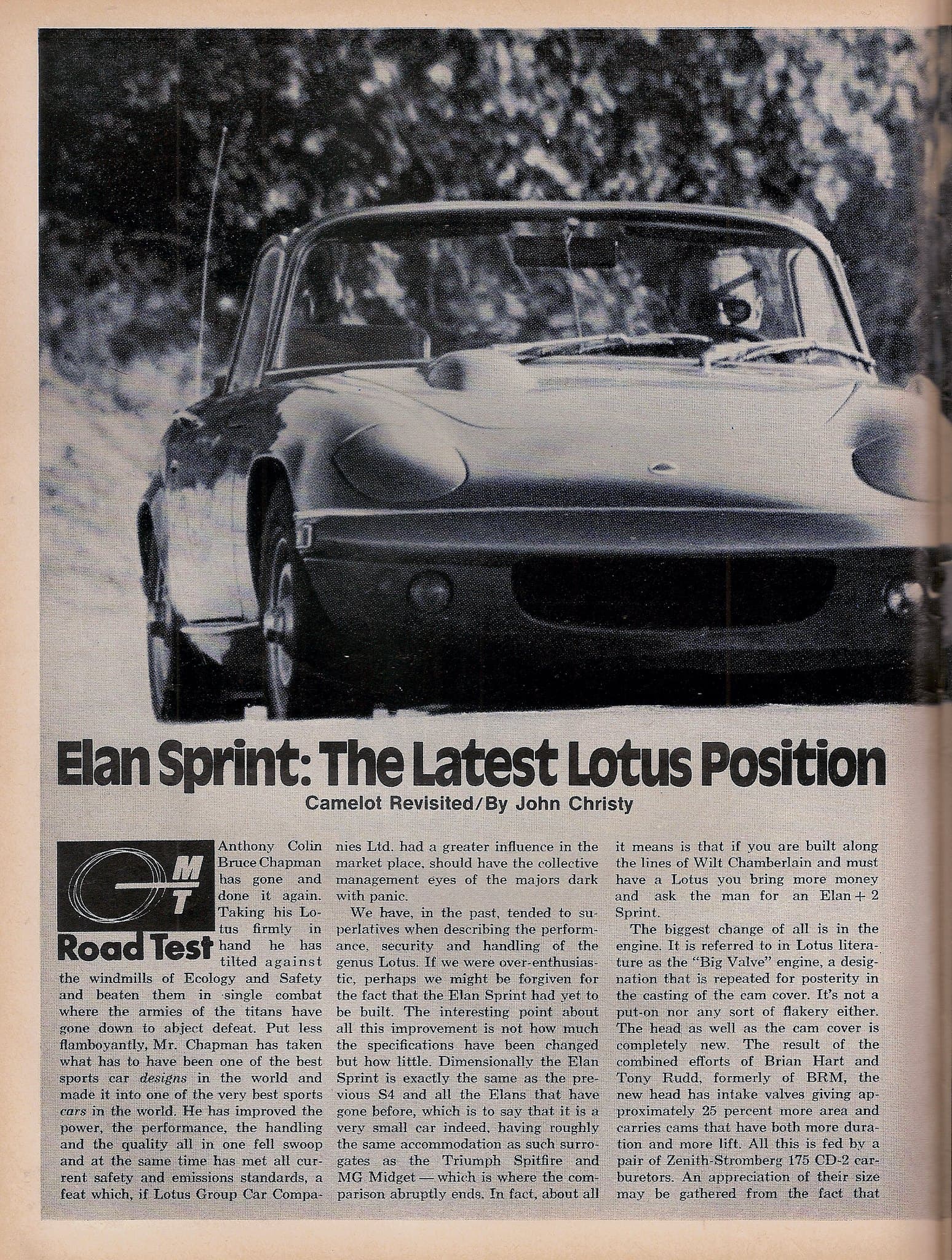
Anthony Colin Bruce Chapman has gone and done it again. Taking his Lotus firmly in hand he has tilted against the windmills of Ecology and Safety and beaten them in single combat where the armies of the titans have gone down to abject defeat. Put less flamboyantly, Mr. Chapman has taken what has to have been one of the best sports car designs in the world and made it into one of the very best sports cars in the world. He has improved the power, the performance, the handling and the quality all in one fell swoop and at the same time has met all current safety and emissions standards, a feat which, if Lotus Group Car Companies Ltd. had a greater influence in the market place, should have the collective management eyes of the majors dark with panic.
We have, in the past, tended to superlatives when describing the performance, security and handling of the genus Lotus. If we were over-enthusiastic, perhaps we might be forgiven for the fact that the Elan Sprint had yet to be built. The interesting point about all this improvement is not how much the specifications have been changed but how little. Dimensionally the Elan Sprint is exactly the same as the previous S4 and all the Elans that have gone before, which is to say that it is a very small car indeed, having roughly the same accommodation as such surrogates as the Triumph Spitfire and MG Midget — which is where the comparison abruptly ends. In fact, about all it means is that if you are built along the lines of Wilt Chamberlain and must have a Lotus you bring more money and ask the man for an Elan + 2 Sprint.
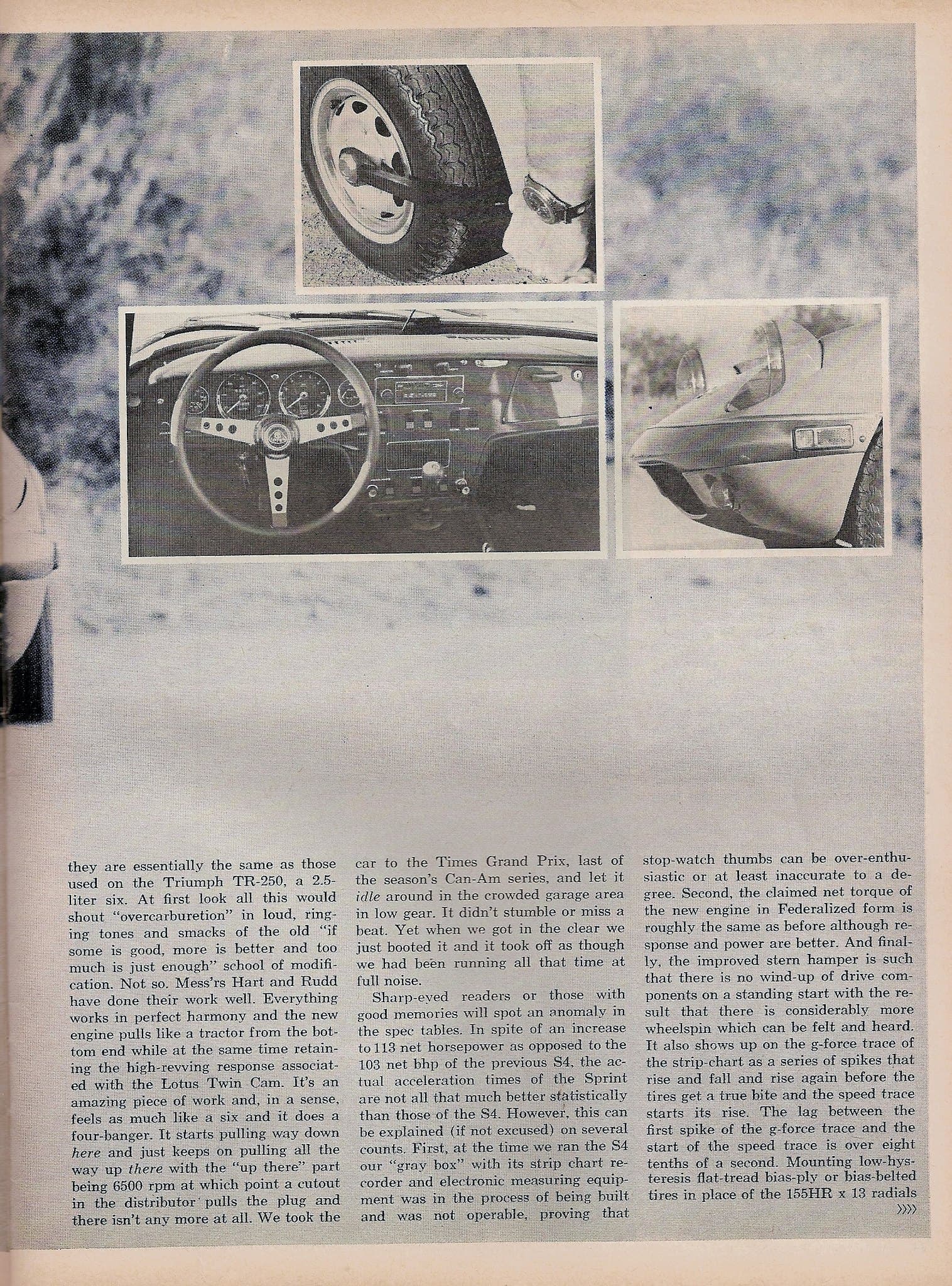
The biggest change of all is in the engine. It is referred to in Lotus literature as the “Big Valve” engine, a designation that is repeated for posterity in the casting of the cam cover. It’s not a put-on nor any sort of flakery either. The head as well as the cam cover is completely new. The result of the combined efforts of Brian Hart and Tony Rudd, formerly of BRM, the new head has intake valves giving approximately 25 percent more area and carries cams that have both more duration and more lift. All this is fed by a pair of Zenith-Stromberg 175 CD-2 carburetors. An appreciation of their size may be gathered from the fact that they are essentially the same as those used on the Triumph TR-250, a 2.5-liter six. At first look all this would shout “overcarburetion” in loud, ringing tones and smacks of the old “if some is good, more is better and too much is just enough” school of modification. Not so. Mess’rs Hart and Rudd have done their work well. Everything works in perfect harmony and the new engine pulls like a tractor from the bottom end while at the same time retaining the high-revving response associated with the Lotus Twin Cam. It’s an amazing piece of work and, in a sense, feels as much like a six and it does a four-banger. It starts pulling way down here and just keeps on pulling all the way up there with the “up there” part being 6500 rpm at which point a cutout in the distributor pulls the plug and there isn’t any more at all. We took the car to the Times Grand Prix, last of the season’s Can-Am series, and let it idle around in the crowded garage area in low gear. It didn’t stumble or miss a beat. Yet when we got in the clear we just booted it and it took off as though we had been running all that time at full noise.
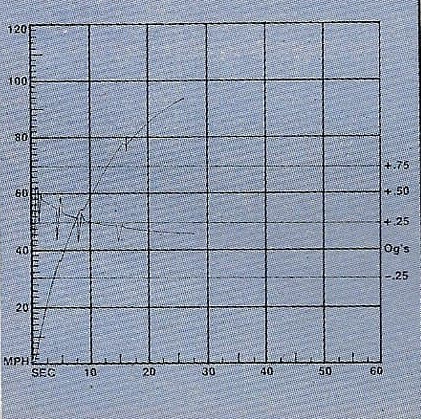
Sharp-eyed readers or those with good memories will spot an anomaly in the spec tables. In spite of an increase to 113 net horsepower as opposed to the 103 net bhp of the previous S4, the actual acceleration times of the Sprint are not all that much better statistically than those of the S4. However, this can be explained (if not excused) on several counts. First, at the time we ran the S4 our “gray box” with its strip chart recorder and electronic measuring equipment was in the process of being built and was not operable, proving that stop-watch thumbs can be over-enthusiastic or at least inaccurate to a degree. Second, the claimed net torque of the new engine in Federalized form is roughly the same as before although response and power are better. And finally, the improved stern hamper is such that there is no wind-up of drive components on a standing start with the result that there is considerably more wheelspin which can be felt and heard. It also shows up on the g-force trace of the strip-chart as a series of spikes that rise and fall and rise again before the tires get a true bite and the speed trace starts its rise. The lag between the first spike of the g-force trace and the start of the speed trace is over eight tenths of a second. Mounting low-hysteresis flat-tread bias-ply or bias-belted tires in place of the 155HR x 13 radials would probably eliminate the lag altogether. Combined with the elimination of a similar but shorter lag on the 1 - 2 shift, the potential acceleration times of the Sprint would seem to be as much as a full second shorter all the way up the line. Marvelous things these recorders, they explain a lot. Make good lie detectors, too. You can’t goof a shift or a turn that doesn’t show up indelibly on the graph.
The business of the rear end mentioned earlier brings us to the next piece of improvement. Elans, both of the two-seat and +2 persuasion have all had Metalastik or Rotoflex biscuits as U-joints used in the half shafts of the rear end and the center section has also been heavily rubber-mounted. In the past this has led to a phenomenon known as the Kangaroo hop (or Lotus two-step) when the car was driven by one of the unshriven or even by one familiar with the car if he let his attention lag while accelerating through the gears. You either paid attention to what you were doing and did it with precise decisiveness or you could find yourself going down the pike in a series of embarrassing rabbit jumps. No longer.
The rear end has been more solidly located and the rubber biscuits are of a harder rating (higher hysteresis). This has taken away all the feeling that each clutch application resulted in winding up the rubber bands before forward motion could begin. Other than wheelspin on hard application, the car moves out with a solid rush, grabbing a new linear bite with each succeeding shift, much more like the Europa than earlier Elans.
The quality control, already much improved with the later series of cars from the new Hethel plant now approaches the Teutonic. Nothing, but nothing, rattles, jiggles or vibrates. Nothing comes adrift and no knobs, switches or ancillaries come off in your hand. The windshield was clear and distortion-free (somebody at Hethel must have been listening to Paul Van Valkenburgh). The top, though a bit of a bother to put up and down, was tight; it did not drum and all the snaps went where they were supposed to go. Most important of all it was totally weather-proof, a point we had proven to us when we were blessed with the heaviest rain and hail storm to hit Los Angeles Anno Domine 1971. In defense of the operation of the top, it was built with lightness in mind, a fetish chez Chapman. That it accomplished that part and served its purpose as well speaks loudly in its favor and makes bearable the slight inconvenience of having to get out of the car to put it up. As for the finish, it couldn’t be faulted. It looks as though the body was done in a vacuum mold with the color being a bonded gelcoat, it’s that smooth. But we are given to understand that it is an actual lay-up and painted in the normal manner. If so, some of the finishers of so-called luxury cars could stand to take a quick course at Hethel.
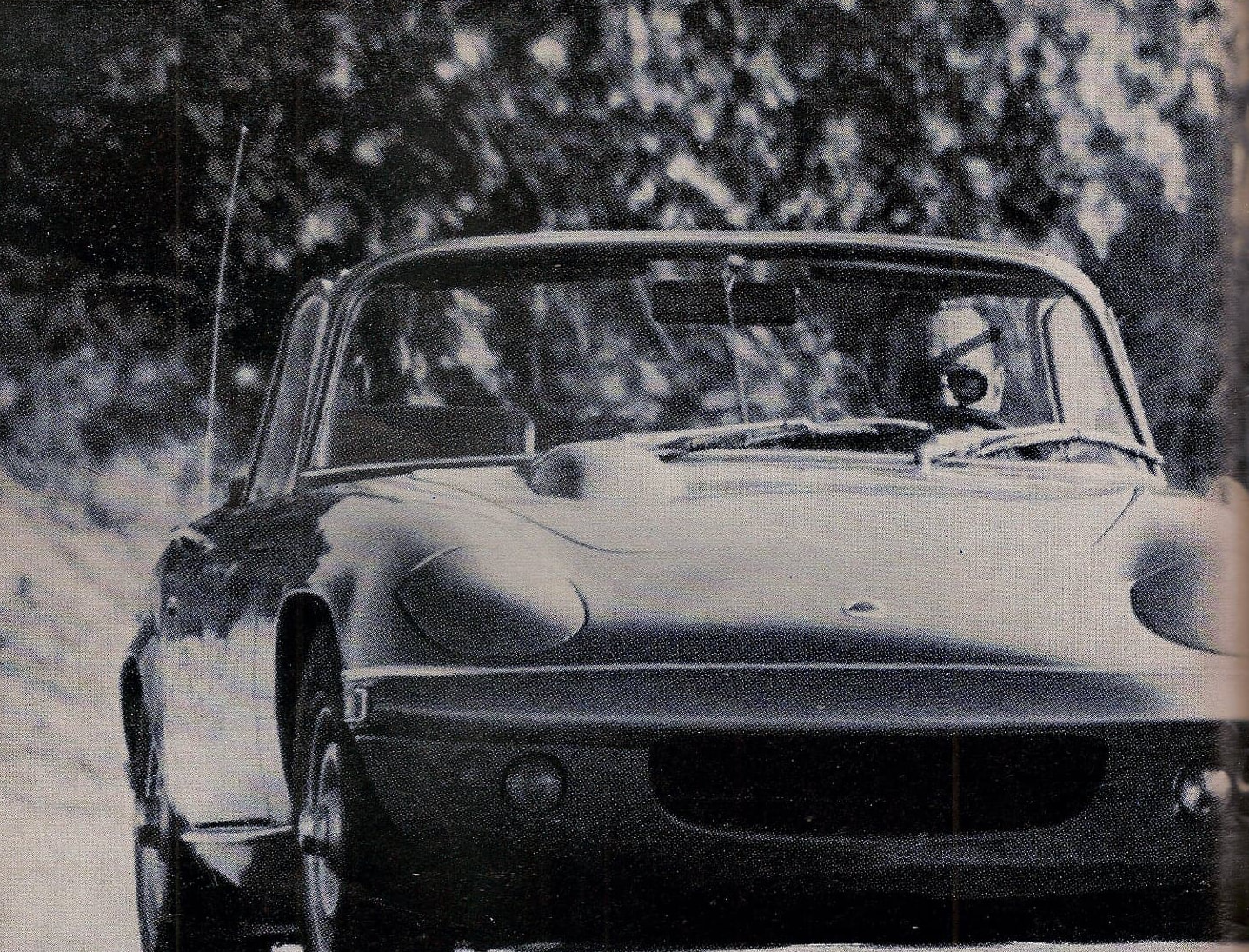
But it’s when you get the Sprint out on the road that it all comes together. In a word, it’s a Lotus with all of the good qualities the name implies and, now, without the host of petty annoyances and objections that applied in former years. In fact the only fly in our particular jar of Lotus balm was that the brakes developed a minor squeal when cold. It wasn’t loud — at least not very — but it was there, and really only annoying because everything else seemed so right. The Lotus Sprint is a car that does exactly as it is bidden — instantly. If it does something wrong it is the driver, not the car that has done the misdeed. The feeling of security is such that you have to make visual checks of the surrounding traffic and of the instruments to keep from being highly illegal.
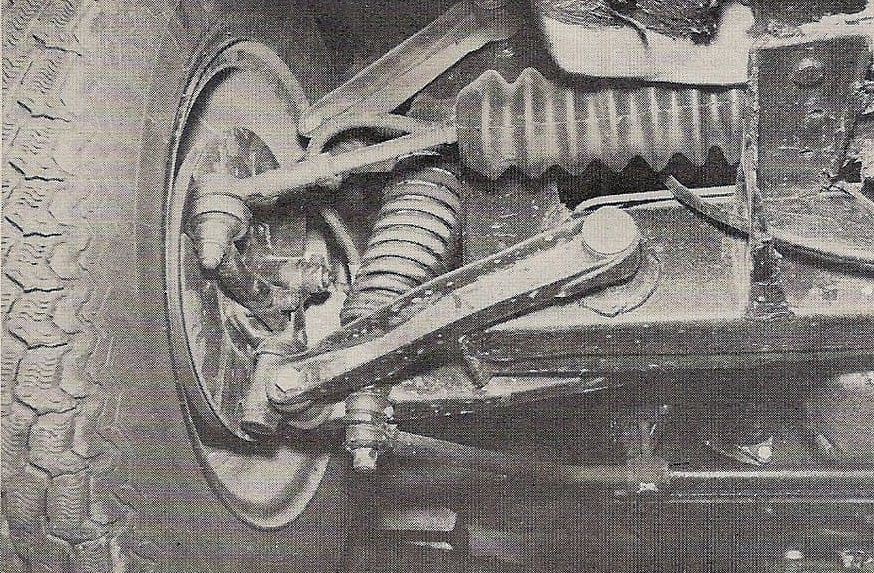
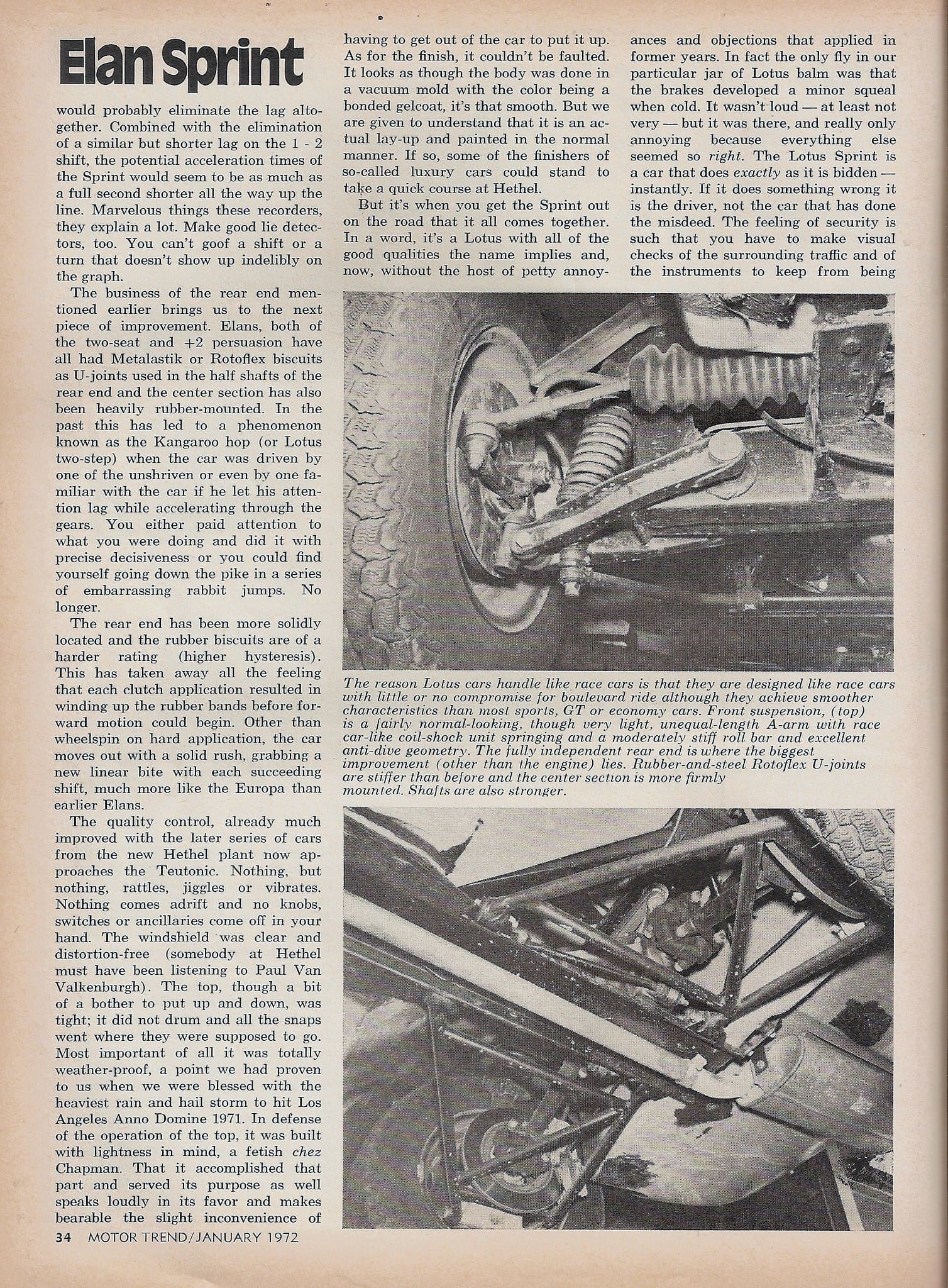
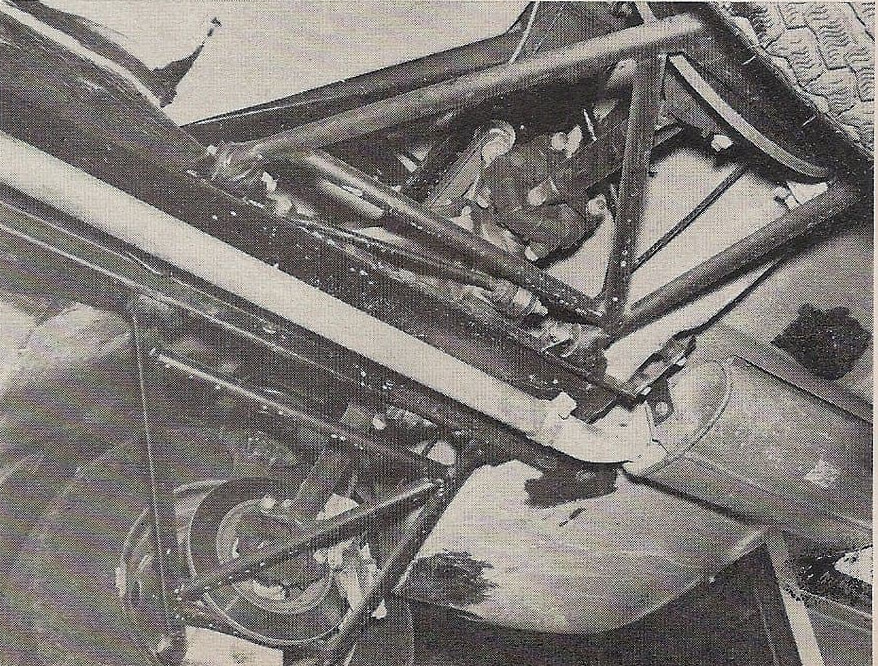
The reason Lotus cars handle like race cars is that they are designed like race cars with little or no compromise for boulevard ride although they achieve smoother characteristics than most sports, GT or economy cars. Front suspension, (top) is a fairly normal-looking, though very light, unequal-length A-arm with race car-like coil-shock unit springing and a moderately stiff roll bar and excellent anti-dive geometry. The fully independent rear end is where the biggest improvement (other than the engine) lies. Rubber-and-steel Rotoflex U-joints are stiffer than before and the center section is more firmly mounted. Shafts are also stronger.
What feels like a comfortable cruising speed in the Sprint would, according to the instruments and the other traffic fading rapidly in the rear-view mirror, seem like a flat-out blind in almost anything else. On more than one occasion we found ourselves entering one of those two-lane-going-into-one interchange ramps figuring on dropping into the line of other traffic as the squeeze came up. In every case we were at the head of the line before the two lanes became one. In no case was it reckless barreling either; we just started in last and with what seemed a sort of time warp ended up first. The only shocking thing about it was that it was done with such utter smoothness, security and safety. The only danger is that, having gotten used to the Sprint, one might try the same thing under similar circumstances with another car. We did with one of our mini-rod Q-ships and only then did the fact of Lotus road-holding really sink in. What had seemed normal operating procedure with the Sprint was an effort in the better-than-average mini-rod.
This also brings up another point about Lotus cars. About 75 percent of the mental horsepower expended at Hethel is devoted to race cars and the rub-off on the street machinery is inevitable. These cars are designed as performance machines in the first place, not rebuilt or redesigned from the parts shelves of more mundane sedans. As a result everything about the operation of the car has a race car feel to it. The steering, at 2.7 turns lock-to-lock, is so precise that the term loses meaning when applied to almost any other tiller device you care to name including those attached to the most exotic of machines priced at double, triple and quadruple the bottom line of the Lotus sticker. The operation of the gearbox feels more like the action of an electrical switch than moving a collection of mechanical bits. Each gear drops in with a sort of hard “click” rather than the soft slither associated with the better gearboxes on other cars. It’s so quick and precise that you can wind up with a sore hand from trying to push the lever further into the gate until you get used to it. Braking is cut from the same mold, the only limitation seeming to come from the tires which, as pointed out in our remarks on acceleration, are on the small side for the capabilities of the car. While the brakes are incredibly strong, being capable of pulling the car to 3-second, 120-foot stops from 60 and less than 27 feet from 30 mph in under a second, it was all too easy to lock them up inadvertently. The difference between a full-lock panic stop and a controlled stop from 60 was more than a second and upwards of 25 feet greater for the panic stop.
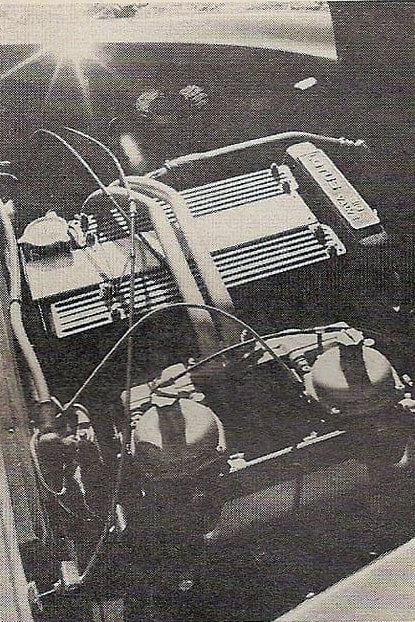
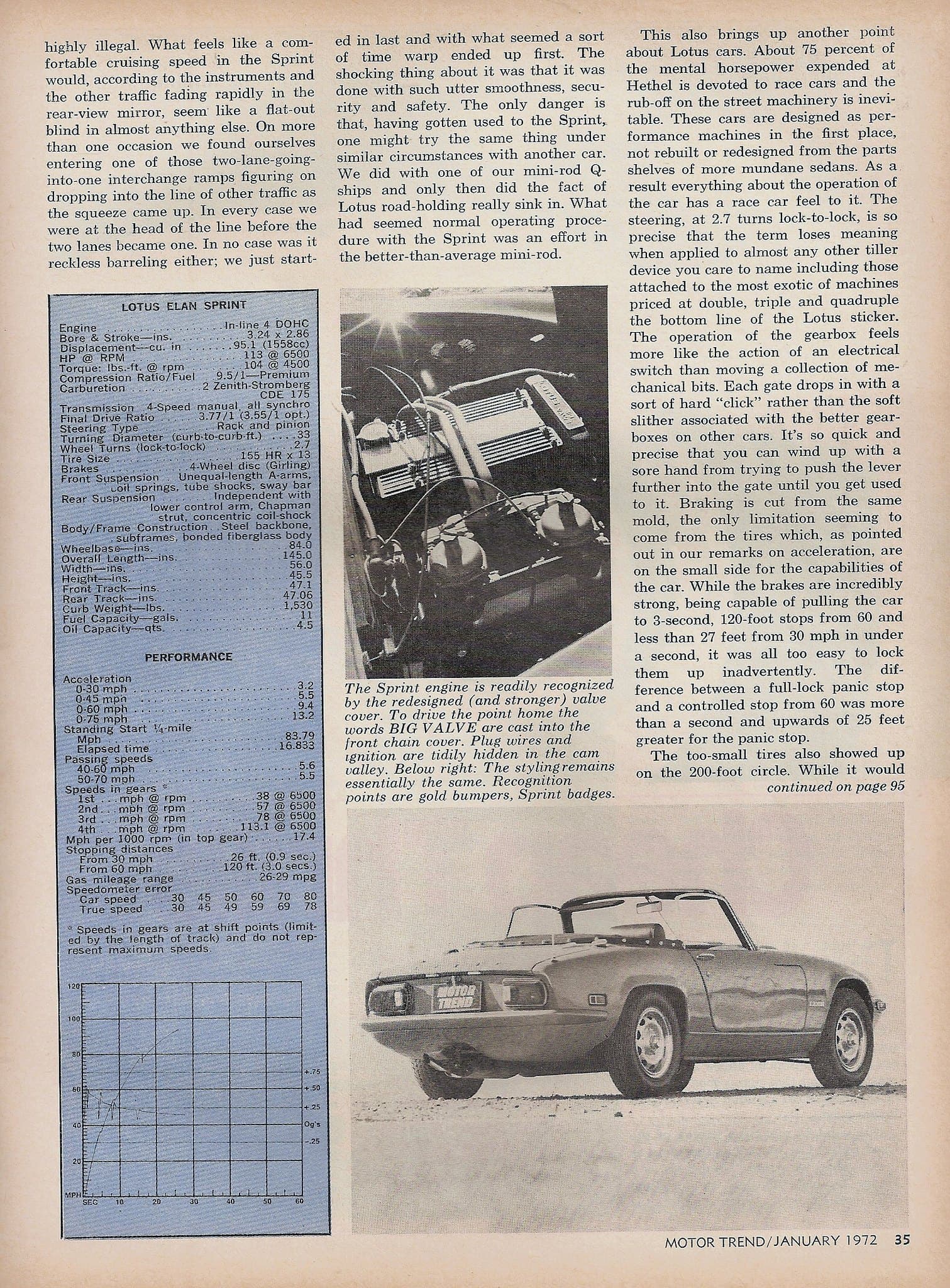
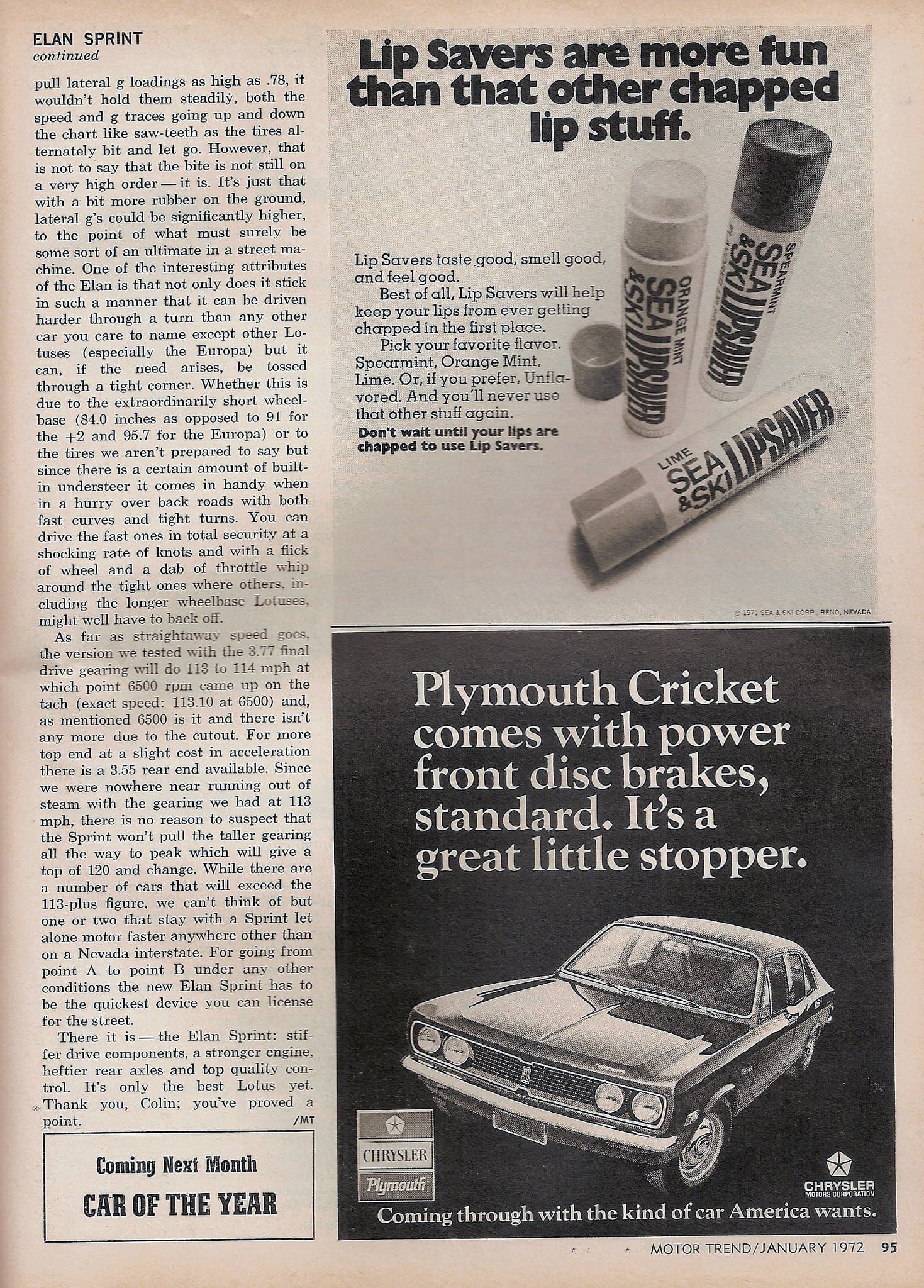
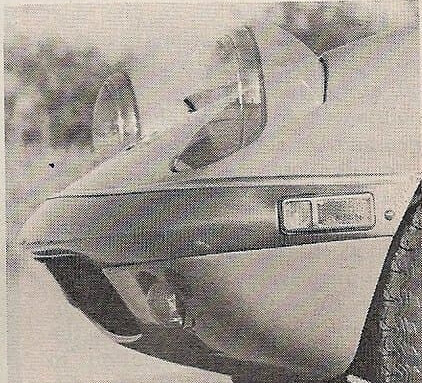
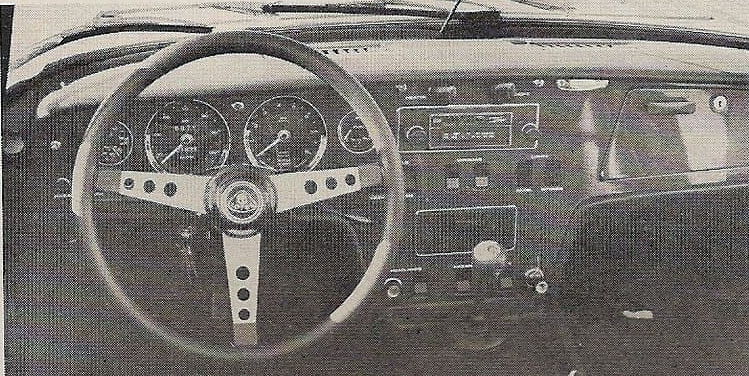
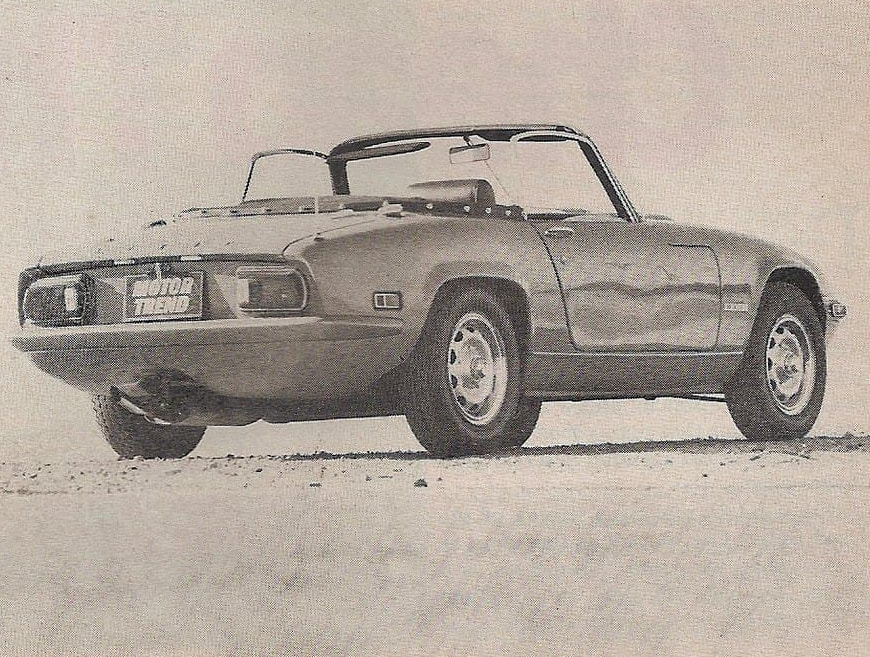
The Sprint engine is readily recognized by the redesigned (and stronger) valve cover. To drive the point home the words BIG VALVE are cast into the front chain cover. Plug wires and ignition are tidily hidden in the cam valley. Below right: The styling remains essentially the same. Recognition points are gold bumpers, Sprint badges.
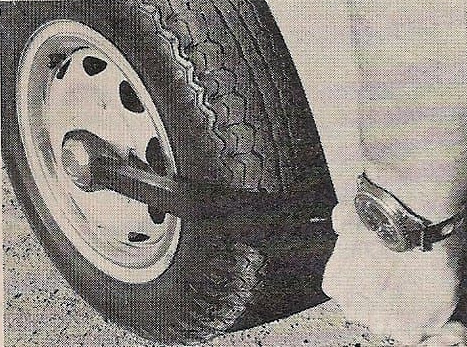
The too-small tires also showed up on the 200-foot circle. While it would pull lateral g loadings as high as .78, it wouldn’t hold them steadily, both the speed and g traces going up and down the chart like saw-teeth as the tires alternately bit and let go. However, that is not to say that the bite is not still on a very high order — it is. It’s just that with a bit more rubber on the ground, lateral g’s could be significantly higher, to the point of what must surely be some sort of an ultimate in a street machine. One of the interesting attributes of the Elan is that not only does it stick in such a manner that it can be driven harder through a turn than any other car you care to name except other Lotuses (especially the Europa) but it can, if the need arises, be tossed through a tight corner. Whether this is due to the extraordinarily short wheelbase (84.0 inches as opposed to 91 for the +2 and 95.7 for the Europa) or to the tires we aren’t prepared to say but since there is a certain amount of built-in understeer it comes in handy when in a hurry over back roads with both fast curves and tight turns. You can drive the fast ones in total security at a shocking rate of knots and with a flick of wheel and a dab of throttle whip around the tight ones where others, including the longer wheelbase Lotuses, might well have to back off.
As far as straightaway speed goes, the version we tested with the 3.77 final drive gearing will do 113 to 114 mph at which point 6500 rpm came up on the tach (exact speed: 113.10 at 6500) and, as mentioned 6500 is it and there isn’t any more due to the cutout. For more top end at a slight cost in acceleration there is a 3.55 rear end available. Since we were nowhere near running out of steam with the gearing we had at 113 mph, there is no reason to suspect that the Sprint won’t pull the taller gearing all the way to peak which will give a top of 120 and change. While there are a number of cars that will exceed the 113-plus figure, we can’t think of but one or two that stay with a Sprint let alone motor faster anywhere other than on a Nevada interstate. For going from point A to point B under any other conditions the new Elan Sprint has to be the quickest device you can license for the street.
There it is — the Elan Sprint: stiffer drive components, a stronger engine, heftier rear axles and top quality control. It’s only the best Lotus yet. Thank you, Colin; you’ve proved a point. /MT
Specifications
LOTUS ELAN SPRINT
| Engine | In-line 4 DOHC |
| Bore & Stroke — ins. | 3.24 × 2.86 |
| Displacement — cu. in. | 95.1 (1558cc) |
| HP @ RPM | 113 @ 6500 |
| Torque: lbs.-ft. @ rpm | 104 @ 4500 |
| Compression Ratio/Fuel | 9.5/1 — Premium |
| Carburetion | 2 Zenith-Stromberg CDE 175 |
| Transmission | 4-Speed manual, all synchro |
| Final Drive Ratio | 3.77/1 (3.55/1 opt.) |
| Steering Type | Rack and pinion |
| Turning Diameter (curb-to-curb ft.) | 33 |
| Wheel Turns (lock-to-lock) | 2.7 |
| Tire Size | 155 HR × 13 |
| Brakes | 4-Wheel disc (Girling) |
| Front Suspension | Unequal-length A-arms, coil springs, tube shocks, sway bar |
| Rear Suspension | Independent with lower control arm, Chapman strut, concentric coil-shock |
| Body/Frame Construction | Steel backbone, subframes, bonded fibreglass body |
| Wheelbase — ins. | 84.0 |
| Overall Length — ins. | 145.0 |
| Width — ins. | 56.0 |
| Height — ins. | 45.5 |
| Front Track — ins. | 47.1 |
| Rear Track — ins. | 47.06 |
| Curb Weight — lbs. | 1,530 |
| Fuel Capacity — gals. | 11 |
| Oil Capacity — qts. | 4.5 |
PERFORMANCE
| Acceleration | |
| 0–30 mph | 3.2 |
| 0–45 mph | 5.5 |
| 0–60 mph | 9.4 |
| 0–75 mph | 13.2 |
| Standing Start ¼-mile | |
| Elapsed time | 16.833 |
| Mph | 83.79 |
| Passing speeds | |
| 50–60 mph | 5.6 |
| 50–70 mph | 5.5 |
| Speeds in gears* | |
| 1st … mph @ rpm | 38 @ 6500 |
| 2nd … mph @ rpm | 57 @ 6500 |
| 3rd … mph @ rpm | 78 @ 6500 |
| 4th … mph @ rpm | 113.1 @ 6500 |
| Mph per 1000 rpm (in top gear) | 17.4 |
| Stopping distances | |
| From 30 mph | 26 ft. (0.9 sec.) |
| From 60 mph | 120 ft. (3.0 secs.) |
| Gas mileage range | 26–29 mpg |
| Speedometer error | |
| Car speed | 30 45 50 60 70 80 |
| True speed | 30 43 49 59 69 78 |
* Speeds in gears are at shift points (limited by the length of track) and do not represent maximum speeds.